If you have any questions, you are always welcome to contact us. We'll get back to you as soon as possible, withing 24 hours on weekdays.
Customer service
All questions about your order, return and delivery must be sent to our customer service team by e-mail at yourstore@yourdomain.com
Sale & Press
If you are interested in selling our products, need more information about our brand or wish to make a collaboration, please contact us at press@yourdomain.com
Help
If you have any questions, you are always welcome to contact us. We'll get back to you as soon as possible, withing 24 hours on weekdays.
Customer service
All questions about your order, return and delivery must be sent to our customer service team by e-mail at yourstore@yourdomain.com
Sale & Press
If you are interested in selling our products, need more information about our brand or wish to make a collaboration, please contact us at press@yourdomain.com
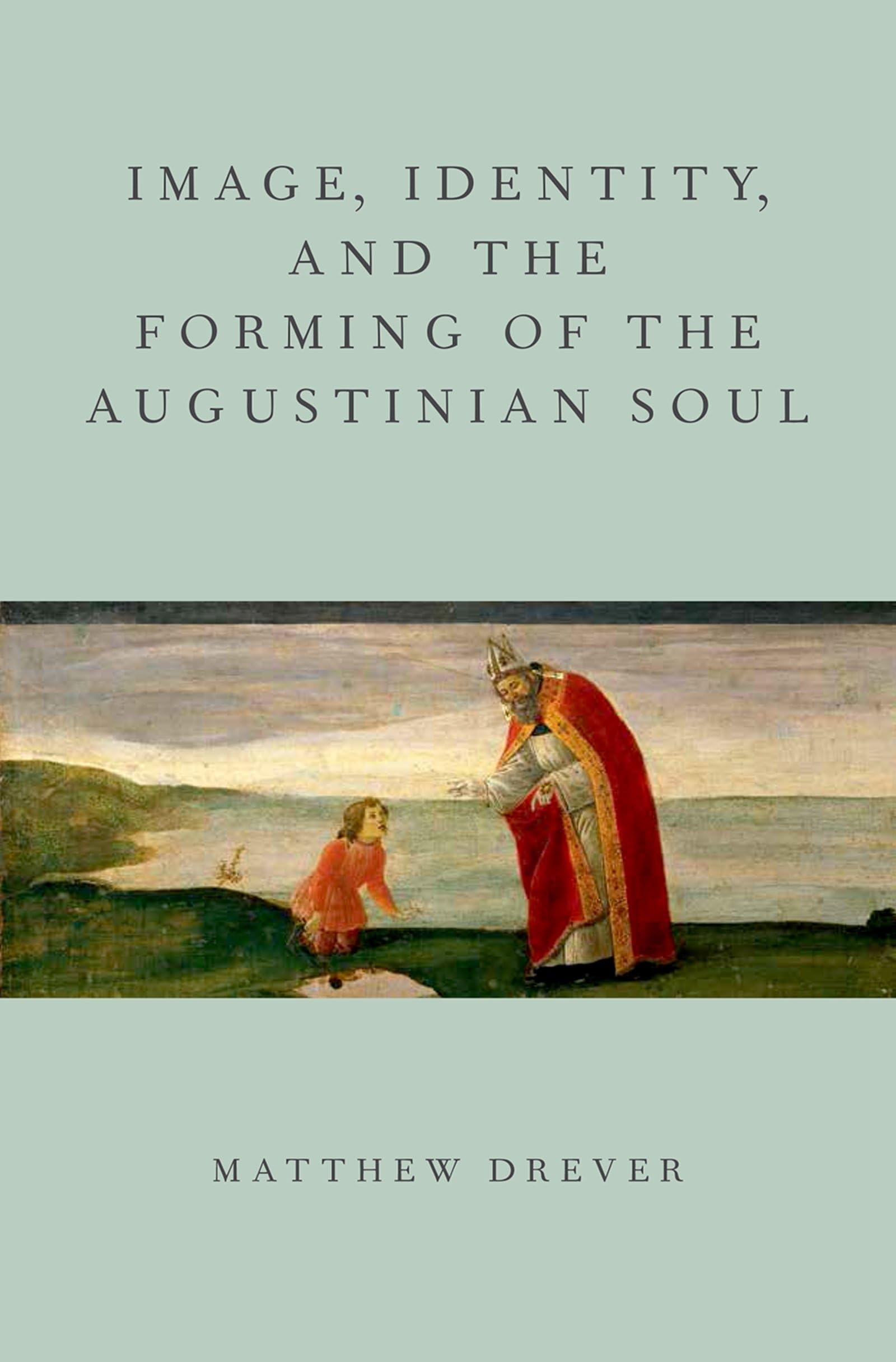
In our current pluralist context, there is no clearly designated means of valuing or defining the human person. Matthew Drever shows that in the writings of St. Augustine we find a concept of the human person that is fluid, tenuous, prone to great good and great vice, and influenced deeply by the wider spiritual and material environment. Through an examination of his account of the human relation to God, Drever demonstrates how Augustine can offer a crucial resource for a religious reorientation and revaluation of the human person.Drever focuses particularly on the concepts of the imago dei and creatio ex nihilo, significant for their influence on Augustine's understanding of the human person and for their potential to bridge his and our own world. Though rooted in Augustine's early work, these concepts are developed fully in his later writings: his Genesis commentaries and On the Trinity in particular. Drever examines how in these later writings the origin (creatio ex nihilo) and identity (imago dei) of the human person intersect with Augustine's understanding of creation, Christ, and the Trinity.Image, Identity, and the Forming of the Augustinian Soul constructs an interpretation of Augustine's view of the person that acknowledges its classical context while also addressing contemporary theological and philosophical appropriations of Augustine and the issues that animate them.
⚠️ WARNING (California Proposition 65):
This product may contain chemicals known to the State of California to cause cancer,
birth defects, or other reproductive harm.
For MAP (Minimum Advertised Price) violations and Intellectual Property (IP) or Trademark concerns, please contact:
support@ergodebooks.com
⚠️ California Proposition 65 Warning: Some products sold on this website may expose you to chemicals known to the State of California to cause cancer, birth defects, or other reproductive harm. For more information, visit www.P65Warnings.ca.gov.