
Title
Images and Arms Control: Perceptions of the Soviet Union in the Reagan Administration,Used
Sold by Ergodebooks, an authorized reseller.
Returns accepted within 30 days | support@ergodebooks.com
Shipping Information
- Free Standard Shipping — United States only
- Processing Time: 3–5 business days
- Estimated Delivery: 6–10 business days after dispatch
- Double-boxed, fully insured & discreetly packaged
- Tracking number sent via email once dispatched
Returns & Refund
Returns accepted within 30 days of delivery.
Damaged or Defective Item
Free return shipping + replacement or full refund
Wrong Item Received
Free return shipping + replacement or full refund
Change of Mind
Return shipping at customer's expense · 25% restocking fee applies
Payment Option

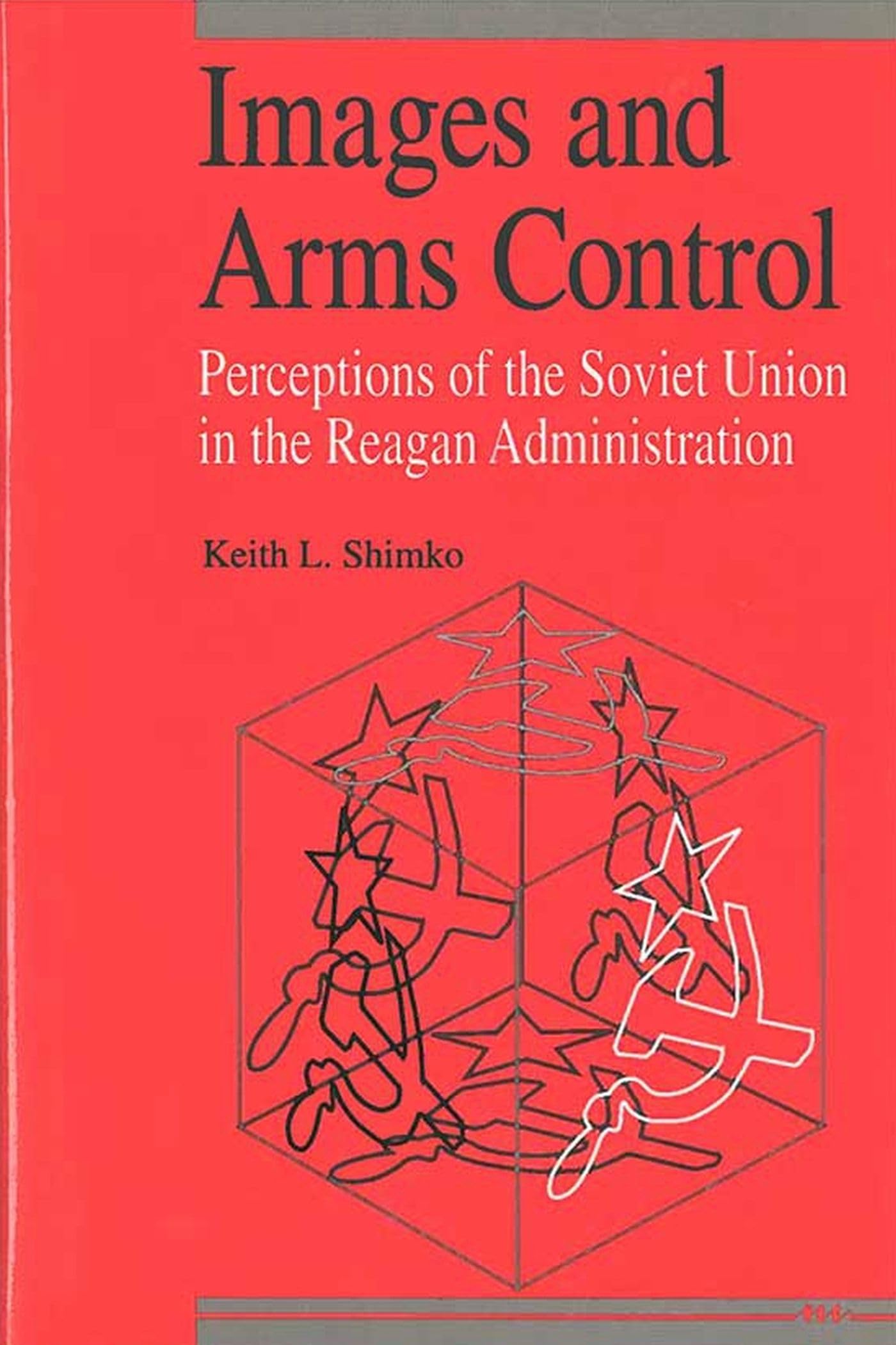
It is no secret that the language of politics is as highly suggestive as it is subjective: foreign relations are accompanied by a changing array of names and images. In Images and Arms Control, Keith Shimko takes a close look at the Reagan Administrations attitudes toward the Soviet Union and explores the important relationship between enemy images and arms control policy preferences.The author examines how George Schultz, Caspar Weinberger, Richard Perle, Richard Burt, and Reagan himself perceived the Soviet Union including their beliefs about Soviet capabilities, motives, attitudes toward the United States, and decisionmaking processes. He demonstrates correspondences among their individual perceptions of the Soviet Union and the policies each of these influential officials advocated in debates over SALT II, INF, START, and SDI.Images and Arms Control provides a review of the relevant theory and research in political psychology and international relations; its empirical approach which employs rigorous, clearly explained content analytic techniques lays the groundwork for the author to expand our understanding of the psychological bases of foreign policy decision making.Periods of transition allow recognition, and Images and Arms Control appears at just a time: current perceptions of the Soviet Union and the adoption of new players in the enemy role provide ironic and timely confirmation of Shimkos approach. His study provides a clear model for ongoing exploration of the impact of images and perceptions and cognitive variables in general on foreign policy decision making.
⚠️ WARNING (California Proposition 65):
This product may contain chemicals known to the State of California to cause cancer, birth defects, or other reproductive harm.
For more information, please visit www.P65Warnings.ca.gov.