
Title
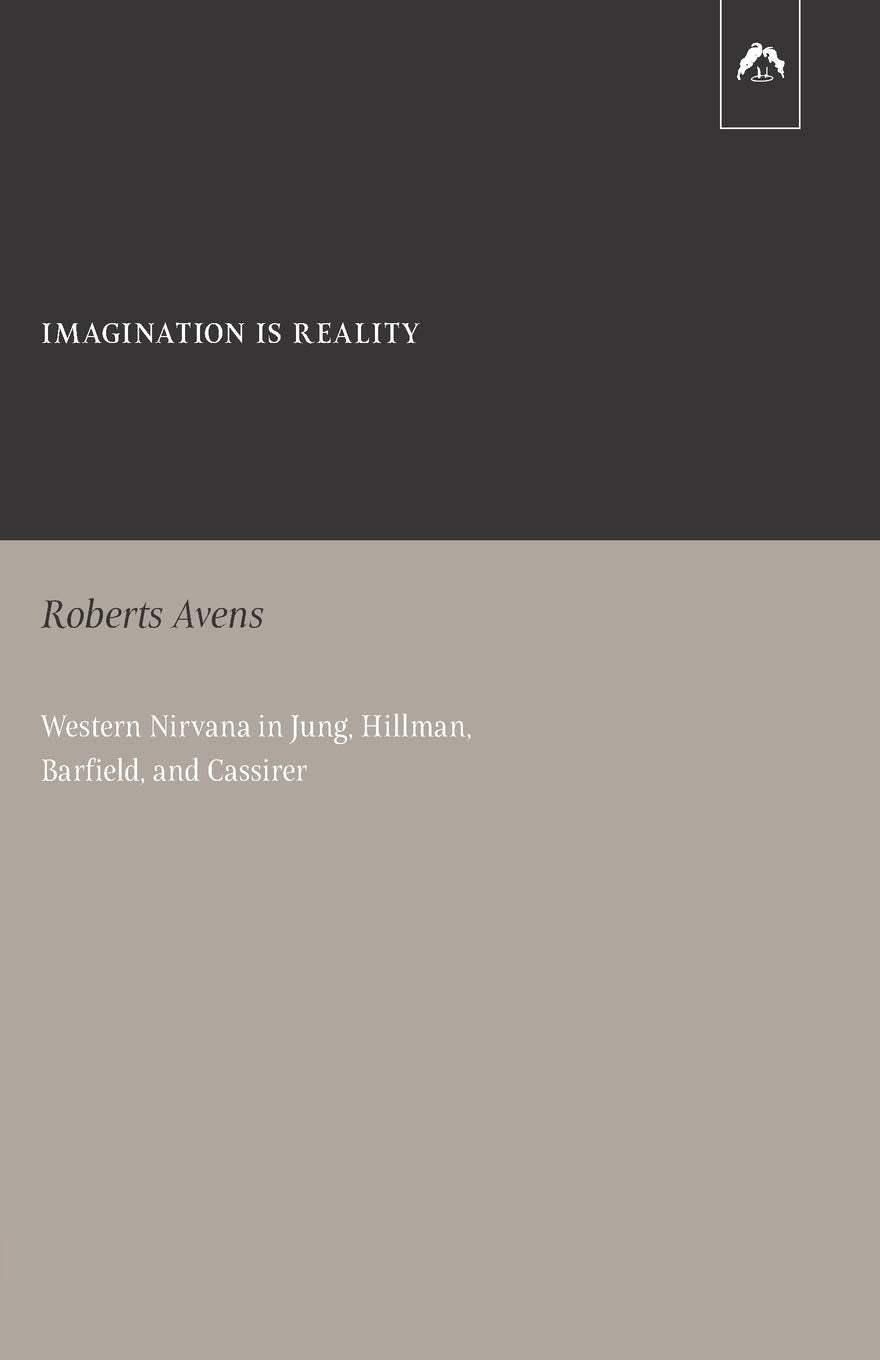
Imagination Is Reality: Western Nirvana In Jung, Hillman, Barfield, And Cassirer,New
Sold by Ergodebooks, an authorized reseller.
Returns accepted within 30 days | support@ergodebooks.com
Shipping Information
- Free Standard Shipping — United States only
- Processing Time: 3–5 business days
- Estimated Delivery: 6–10 business days after dispatch
- Double-boxed, fully insured & discreetly packaged
- Tracking number sent via email once dispatched
Returns & Refund
Returns accepted within 30 days of delivery.
Damaged or Defective Item
Free return shipping + replacement or full refund
Wrong Item Received
Free return shipping + replacement or full refund
Change of Mind
Return shipping at customer's expense · 25% restocking fee applies
Payment Option

This Small Book Is The First Comprehensive Essay To Place Archetypal Psychology Within A Major Tradition Of Modern Thoughtthe Tradition Of Mythical Thinkingand To Recognize Imagination As The Primal Force And Basic Reality Of Human Life. By Drawing Upon The Writings Of Four Twentiethcentury Thinkers, Roberts Avens Clarifies The Postjungian Direction Of Psychology As It Moves Toward Poetic And Polytheistic Imagination. He Then Compares The Radical Achievements Of This Direction In Resolving The Egoquestion With The Methods And Ideas Of The East: Buddhism, Tantrism, Zen, And Vedanta. Avenss Grasp Of Understanding, Easy Familiarity With His Subject, And Refined Insights Together Make This Book An Introductory Text And An Advance Into New Territory.
⚠️ WARNING (California Proposition 65):
This product may contain chemicals known to the State of California to cause cancer, birth defects, or other reproductive harm.
For more information, please visit www.P65Warnings.ca.gov.
- Q: How many pages are in this book? A: This book contains one hundred thirty-six pages. It provides a comprehensive exploration of archetypal psychology and mythical thinking.
- Q: What is the binding type of this book? A: This book is available in paperback binding. This makes it lightweight and easy to handle.
- Q: What are the dimensions of this book? A: The book measures five point five one inches in length, zero point three five inches in width, and eight point five inches in height. These dimensions make it portable for reading.
- Q: How do I read this book? A: To read this book, simply open it and start from the first page. It is suitable for anyone interested in psychology and mythology.
- Q: Is this book suitable for beginners in psychology? A: Yes, this book is suitable for beginners. It serves as an introductory text while also offering advanced insights into psychological concepts.
- Q: What themes does this book cover? A: This book covers themes of imagination, archetypal psychology, and the comparison between Western and Eastern thought. It explores the primal force of imagination in human life.
- Q: How do I keep this book in good condition? A: To keep this book in good condition, store it in a dry place and avoid direct sunlight. Handle it gently to prevent wear and tear.
- Q: Can I clean the pages of this book? A: No, it is not recommended to clean the pages of this book. Instead, handle it with clean hands to avoid smudging.
- Q: How should I store this book? A: Store this book upright on a shelf or in a bookcase. Ensure it is not overcrowded with other books to avoid damage.
- Q: How does this book compare to others in its genre? A: This book offers a unique perspective by integrating archetypal psychology within mythical thinking, setting it apart from conventional psychology texts.
- Q: Is this book a good choice for someone interested in Eastern philosophy? A: Yes, this book is a good choice for readers interested in Eastern philosophy. It compares Western psychological approaches with Eastern traditions like Buddhism and Zen.
- Q: What if I don't understand the concepts presented in the book? A: If you don’t understand the concepts, consider reviewing related literature or discussing them with peers. The author provides clear explanations to aid understanding.
- Q: What are the main authors referenced in this book? A: The main authors referenced in this book are Carl Jung, James Hillman, Owen Barfield, and Ernst Cassirer. Their ideas form the foundation of the discussions.
- Q: Does this book address modern psychological practices? A: Yes, this book addresses modern psychological practices by clarifying the post-Jungian direction of psychology. It highlights the importance of imaginative approaches.
- Q: Can I find this book at my local bookstore? A: Yes, this book may be available at your local bookstore. It is published by Spring Publications, which distributes widely.