
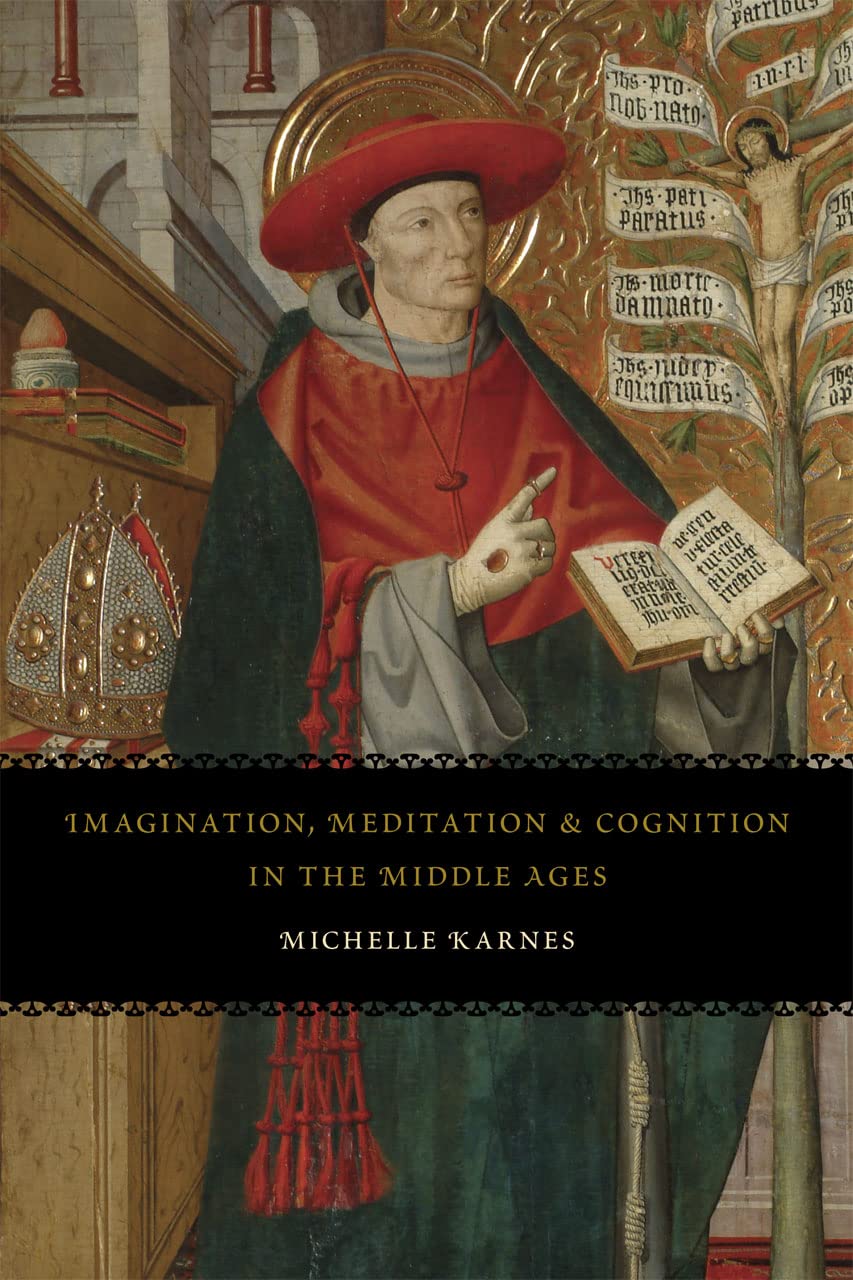
Title
Imagination, Meditation, And Cognition In The Middle Ages
Sold by Ergodebooks, an authorized reseller.
Returns accepted within 30 days | support@ergodebooks.com
Shipping Information
- Free Standard Shipping — United States only
- Processing Time: 3–5 business days
- Estimated Delivery: 6–10 business days after dispatch
- Double-boxed, fully insured & discreetly packaged
- Tracking number sent via email once dispatched
Returns & Refund
Returns accepted within 30 days of delivery.
Damaged or Defective Item
Free return shipping + replacement or full refund
Wrong Item Received
Free return shipping + replacement or full refund
Change of Mind
Return shipping at customer's expense · 25% restocking fee applies
Payment Option

In Imagination, Meditation, And Cognition In The Middle Ages, Michelle Karnes Revises The History Of Medieval Imagination With A Detailed Analysis Of Its Role In The Periods Meditations And Theories Of Cognition. Karnes Here Understands Imagination In Its Technical, Philosophical Sense, Taking Her Cue From Bonaventure, The Thirteenthcentury Scholastic Theologian And Philosopher Who Provided The First Sustained Account Of How The Philosophical Imagination Could Be Transformed Into A Devotional One. Karnes Examines Bonaventures Meditational Works, The Meditationes Vitae Christi, The Stimulis Amoris, Piers Plowman, And Nicholas Loves Myrrour, Among Others, And Argues That The Cognitive Importance That Imagination Enjoyed In Scholastic Philosophy Informed Its Importance In Medieval Meditations On The Life Of Christ. Emphasizing The Cognitive Significance Of Both Imagination And The Meditations That Relied On It, She Revises A Longstanding Association Of Imagination With The Middle Ages. In Her Account, Imagination Was Not Simply An Object Of Suspicion But Also A Crucial Intellectual, Spiritual, And Literary Resource That Exercised Considerable Authority.
⚠️ WARNING (California Proposition 65):
This product may contain chemicals known to the State of California to cause cancer, birth defects, or other reproductive harm.
For more information, please visit www.P65Warnings.ca.gov.
- Q: What is the page count of the book? A: The book has two hundred eighty pages. This length allows for an in-depth exploration of medieval imagination and cognition.
- Q: What are the dimensions of the book? A: The book measures six inches in length, one point two inches in width, and nine point zero two inches in height. These dimensions make it a standard hardcover size.
- Q: What type of binding does this book have? A: This book features a hardcover binding. This type of binding is durable and ideal for extensive reading.
- Q: Who is the author of this book? A: The author is Professor Michelle Karnes. She brings a scholarly perspective on medieval studies and cognition.
- Q: What category does this book fall under? A: This book is categorized under Medieval studies. It delves into historical and philosophical themes of the period.
- Q: How do I read this book for better understanding? A: To enhance comprehension, read it in a quiet environment and take notes on key concepts. The book's themes are complex and benefit from reflection.
- Q: Is this book suitable for beginners in medieval studies? A: Yes, this book is suitable for beginners. It provides foundational insights into medieval imagination and cognition.
- Q: What themes are explored in this book? A: The book explores themes of imagination, meditation, and cognition in the Middle Ages. It highlights the philosophical significance of these concepts.
- Q: How should I store this book to keep it in good condition? A: Store the book upright on a shelf to prevent bending. Keep it away from direct sunlight to avoid fading.
- Q: Can I clean the book if it gets dirty? A: Yes, you can gently wipe the cover with a soft, dry cloth. Avoid using water or cleaning solutions that may damage the binding.
- Q: What is the return policy for this book? A: The return policy typically allows returns within thirty days of purchase. Ensure the book is in new condition for a full refund.
- Q: What if the book arrives damaged? A: If the book arrives damaged, contact customer service immediately for a replacement or refund. Keep all packaging for reference.
- Q: Is there a warranty on this book? A: No, books typically do not come with a warranty, but check the retailer's policy for specific guarantees.
- Q: What distinguishes this book from others in the same category? A: This book uniquely combines philosophical analysis with historical context on imagination. It offers a detailed look at medieval cognitive theories.
- Q: What audience is this book intended for? A: This book is intended for scholars, students, and anyone interested in medieval philosophy and cognitive studies. Its academic approach is suitable for various readers.