
Title
Imagining The Earth: Poetry And The Vision Of Nature,Used
Sold by Ergodebooks, an authorized reseller.
Returns accepted within 30 days | support@ergodebooks.com
Shipping Information
- Free Standard Shipping — United States only
- Processing Time: 3–5 business days
- Estimated Delivery: 6–10 business days after dispatch
- Double-boxed, fully insured & discreetly packaged
- Tracking number sent via email once dispatched
Returns & Refund
Returns accepted within 30 days of delivery.
Damaged or Defective Item
Free return shipping + replacement or full refund
Wrong Item Received
Free return shipping + replacement or full refund
Change of Mind
Return shipping at customer's expense · 25% restocking fee applies
Payment Option

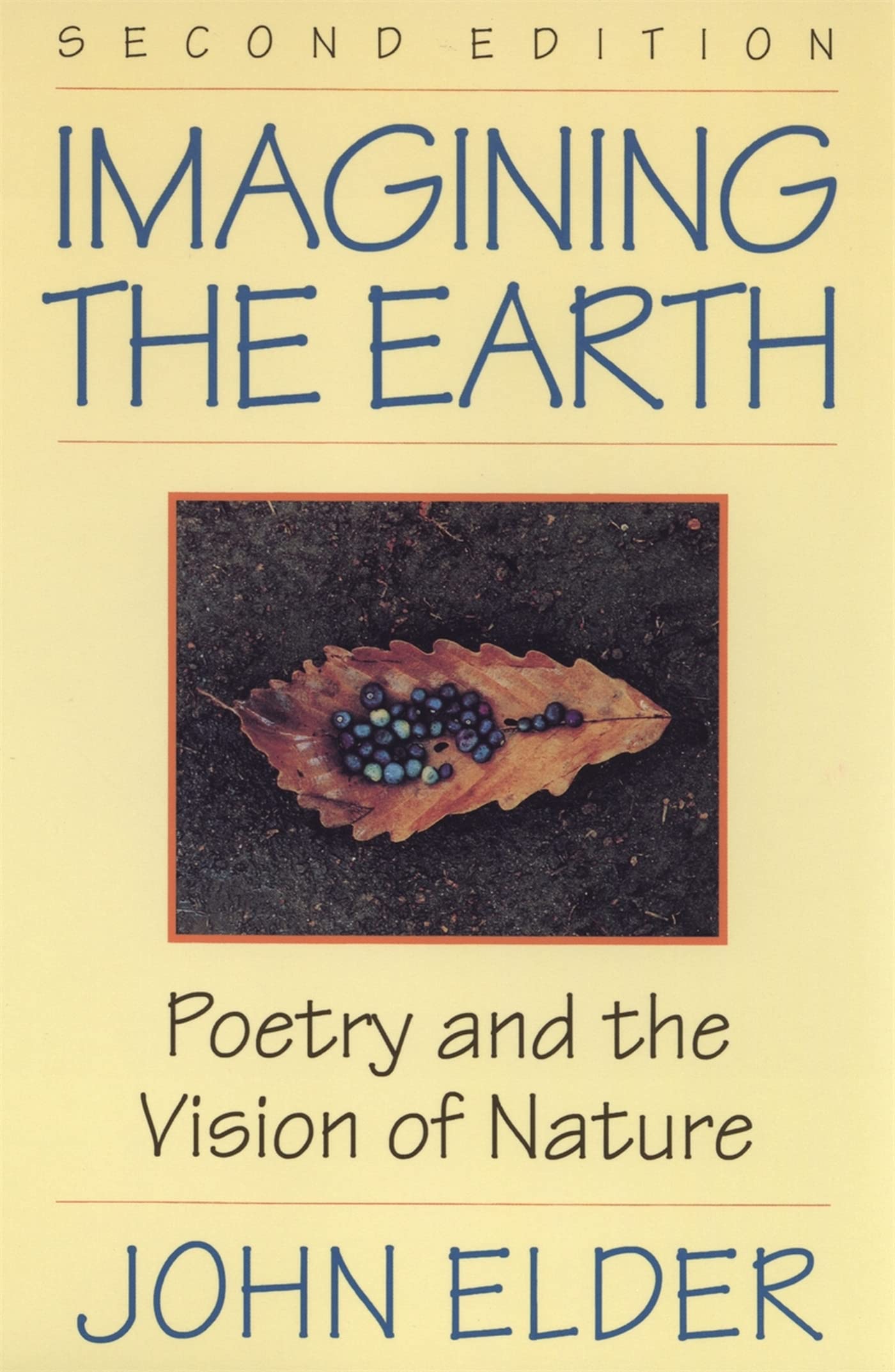
A Landmark Work In The Burgeoning Field Of Literary Ecology, Imagining The Earth Explores The Ways In Which Our Attitudes Toward Nature Are Mirrored In And Influenced By Poetry. In The Work Of Some Of Our Most Widely Read Poets, Says John Elder, One Can Discern A Resurgent Vision Of Humanity In Harmony With The Rest Of The Natural Order.To Show Us The Power Of Poetry To Identify, Interpret, And Celebrate A Wide Range Of Issues Related To Nature And Our Place In It, Elder Uses Numerous Examples Of Works By Gary Snyder, Wendell Berry, A. R. Ammons, Denise Levertov, And William Everson. Elder Places These Poets Within A Cultural Tradition Flowing From William Wordsworth Through Alfred North Whitehead, T. S. Eliot, And Robinson Jeffers, And Uses Their Poems To Illuminate The Relationships Between Culture And Wilderness, Imagination And Landscape, And Science And Poetry. Elder'S Commentaries Are Interlinked With Two Remarkable Essays In Which He Describes His Ow
⚠️ WARNING (California Proposition 65):
This product may contain chemicals known to the State of California to cause cancer, birth defects, or other reproductive harm.
For more information, please visit www.P65Warnings.ca.gov.
- Q: How many pages are in 'Imagining the Earth'? A: There are two hundred sixty-four pages in 'Imagining the Earth'. This provides ample content for exploring literary ecology and nature.
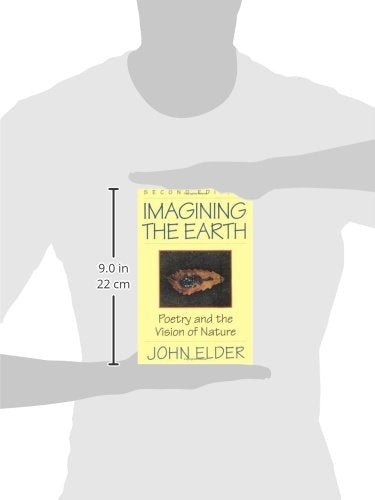
- Q: What is the size of 'Imagining the Earth'? A: The book measures five point twenty-eight inches in length, zero point sixty-seven inches in width, and nine point forty-five inches in height. This makes it a convenient size for reading.
- Q: What type of binding does 'Imagining the Earth' have? A: The book is available in paperback binding. This allows for easy handling and portability.
- Q: Who is the author of 'Imagining the Earth'? A: The author is John Elder. He is known for his work in literary ecology and nature writing.
- Q: What genre does 'Imagining the Earth' belong to? A: The book falls under the category of Criticism and Theory. It specifically addresses the intersection of poetry and ecological themes.
- Q: What condition is this used book in? A: This is a used book in good condition. It is suitable for readers who appreciate pre-owned literature.
- Q: How can I benefit from reading 'Imagining the Earth'? A: Reading this book will deepen your understanding of how poetry reflects our relationship with nature. It provides insights from various poets and ecological themes.
- Q: Is 'Imagining the Earth' suitable for academic study? A: Yes, it is suitable for academic study. Its analysis of poetry and ecology makes it a valuable resource for literary and environmental studies.
- Q: What themes are explored in 'Imagining the Earth'? A: The book explores themes of humanity's relationship with nature, cultural traditions in poetry, and the dialogue between science and literature.
- Q: How can I best read and utilize this book? A: To utilize this book effectively, consider reading it alongside related poetry. Engage with the commentary to enhance your understanding of the poets discussed.
- Q: Can 'Imagining the Earth' be used in a classroom setting? A: Yes, it can be used in a classroom setting. Its themes and analyses are relevant for discussions on literature and ecology.
- Q: What is the main focus of 'Imagining the Earth'? A: The main focus is on how poetry influences and reflects our attitudes towards nature. It highlights various poets' contributions to this dialogue.
- Q: How should I store 'Imagining the Earth' to keep it in good condition? A: Store the book in a cool, dry place, away from direct sunlight. This will help preserve its condition over time.
- Q: What should I do if my copy of 'Imagining the Earth' arrives damaged? A: If your copy arrives damaged, you should contact the seller for a return or exchange. They typically have policies in place for such issues.
- Q: Is there any warranty or guarantee for 'Imagining the Earth'? A: There is no specific warranty for this book. However, check the seller's return policy for any guarantees regarding used books.