
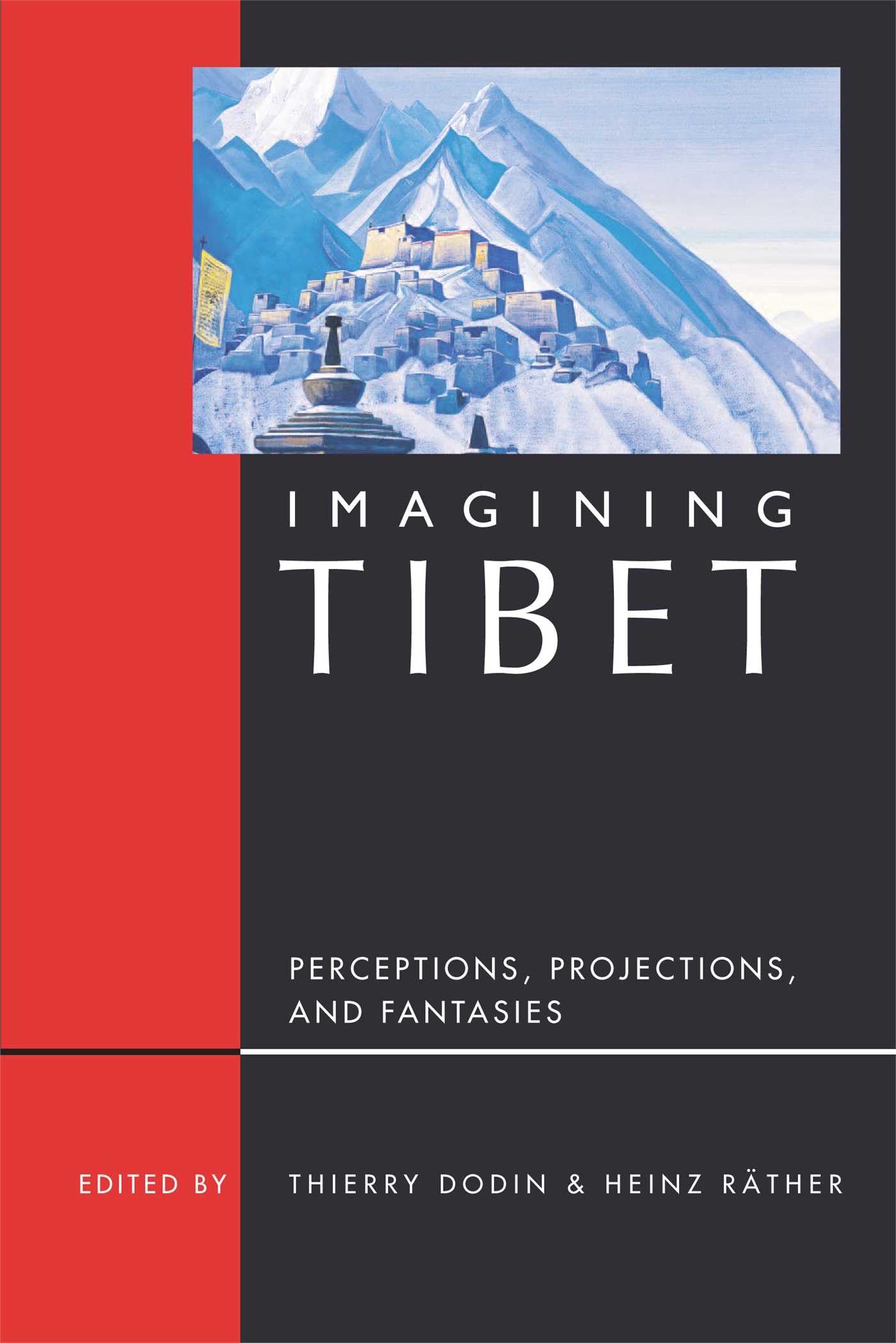
Title
Imagining Tibet: Perceptions, Projections, And Fantasies,Used
Sold by Ergodebooks, an authorized reseller.
Returns accepted within 30 days | support@ergodebooks.com
Shipping Information
- Free Standard Shipping — United States only
- Processing Time: 3–5 business days
- Estimated Delivery: 6–10 business days after dispatch
- Double-boxed, fully insured & discreetly packaged
- Tracking number sent via email once dispatched
Returns & Refund
Returns accepted within 30 days of delivery.
Damaged or Defective Item
Free return shipping + replacement or full refund
Wrong Item Received
Free return shipping + replacement or full refund
Change of Mind
Return shipping at customer's expense · 25% restocking fee applies
Payment Option

In The Past Century, The Western View Of Tibet Has Evolved From An Exotic Shangrila Filled With Golden Idols And The Promise Of Immortality, To A Peaceful Land With An Enlightened Society Now Ravaged By Outside Aggression. How And Why Did Our Perception Change? How Accurate Are Our Modern Conceptions Of Tibet?Imagining Tibet Is A Collection Of Essays That Reveal These Western Conceptions. Providing An Historical Background To The West'S Everchanging Relationship With Tibet, Donald Lopez, Jeffrey Hopkins, Jamyang Norbu, And Other Noted Scholars Explore A Variety Of Topics From Western Perceptions Of Tibetan Approaches To Violence, Monastic Life, And Life As A Nation In Exile, To Representations Of Tibet In Western Literature, Art, Environmentalism, And The New Age Movement.
⚠️ WARNING (California Proposition 65):
This product may contain chemicals known to the State of California to cause cancer, birth defects, or other reproductive harm.
For more information, please visit www.P65Warnings.ca.gov.
- Q: How many pages are in 'Imagining Tibet'? A: This book has five hundred twelve pages. It provides an extensive exploration of Western perceptions of Tibet.
- Q: What is the binding type of 'Imagining Tibet'? A: The binding type is paperback. This makes it lightweight and easy to handle for reading.
- Q: What are the dimensions of 'Imagining Tibet'? A: The dimensions are six inches in length, one inch in width, and nine inches in height. This size makes it portable for readers.
- Q: How do I read 'Imagining Tibet' effectively? A: You can read 'Imagining Tibet' at your own pace. It’s suitable for anyone interested in the cultural and historical context of Tibet.
- Q: Is 'Imagining Tibet' suitable for young readers? A: Yes, it is suitable for young readers, especially those interested in history and culture. However, parental guidance is recommended for younger children.
- Q: What topics does 'Imagining Tibet' cover? A: The book covers a variety of topics including violence, monastic life, and environmentalism related to Tibet. It provides a comprehensive view of Western perceptions.
- Q: How should I store 'Imagining Tibet' to keep it in good condition? A: Store 'Imagining Tibet' in a cool, dry place away from direct sunlight. This helps preserve the book's condition over time.
- Q: Can I clean the cover of 'Imagining Tibet'? A: Yes, you can clean the cover with a damp cloth. Avoid using harsh chemicals to maintain the integrity of the cover.
- Q: Is there a specific way to handle 'Imagining Tibet'? A: Handle the book gently to avoid damaging the spine and pages. This ensures the book remains in good condition.
- Q: What if 'Imagining Tibet' arrives damaged? A: If it arrives damaged, you should contact the seller for a return or exchange. Most sellers have policies in place for such situations.
- Q: Can I return 'Imagining Tibet' if I don't like it? A: Yes, you can return 'Imagining Tibet' if it is within the return period specified by the seller. Check the return policy for details.
- Q: What is the author's background for 'Imagining Tibet'? A: The author is Thierry Dodin, known for his expertise in Tibetan studies. His insights add depth to the discussions presented in the book.
- Q: How does 'Imagining Tibet' compare to other books on Tibet? A: Unlike many books, 'Imagining Tibet' focuses on Western perceptions, providing a unique perspective on the region's representation.
- Q: Is 'Imagining Tibet' part of a series? A: No, 'Imagining Tibet' is a standalone collection of essays. It is not part of a series but offers valuable insights on its own.
- Q: What makes 'Imagining Tibet' a valuable read? A: It combines essays from noted scholars, providing historical context and a deep dive into perceptions of Tibet, making it a valuable resource.