If you have any questions, you are always welcome to contact us. We'll get back to you as soon as possible, withing 24 hours on weekdays.
Customer service
All questions about your order, return and delivery must be sent to our customer service team by e-mail at yourstore@yourdomain.com
Sale & Press
If you are interested in selling our products, need more information about our brand or wish to make a collaboration, please contact us at press@yourdomain.com
Help
If you have any questions, you are always welcome to contact us. We'll get back to you as soon as possible, withing 24 hours on weekdays.
Customer service
All questions about your order, return and delivery must be sent to our customer service team by e-mail at yourstore@yourdomain.com
Sale & Press
If you are interested in selling our products, need more information about our brand or wish to make a collaboration, please contact us at press@yourdomain.com
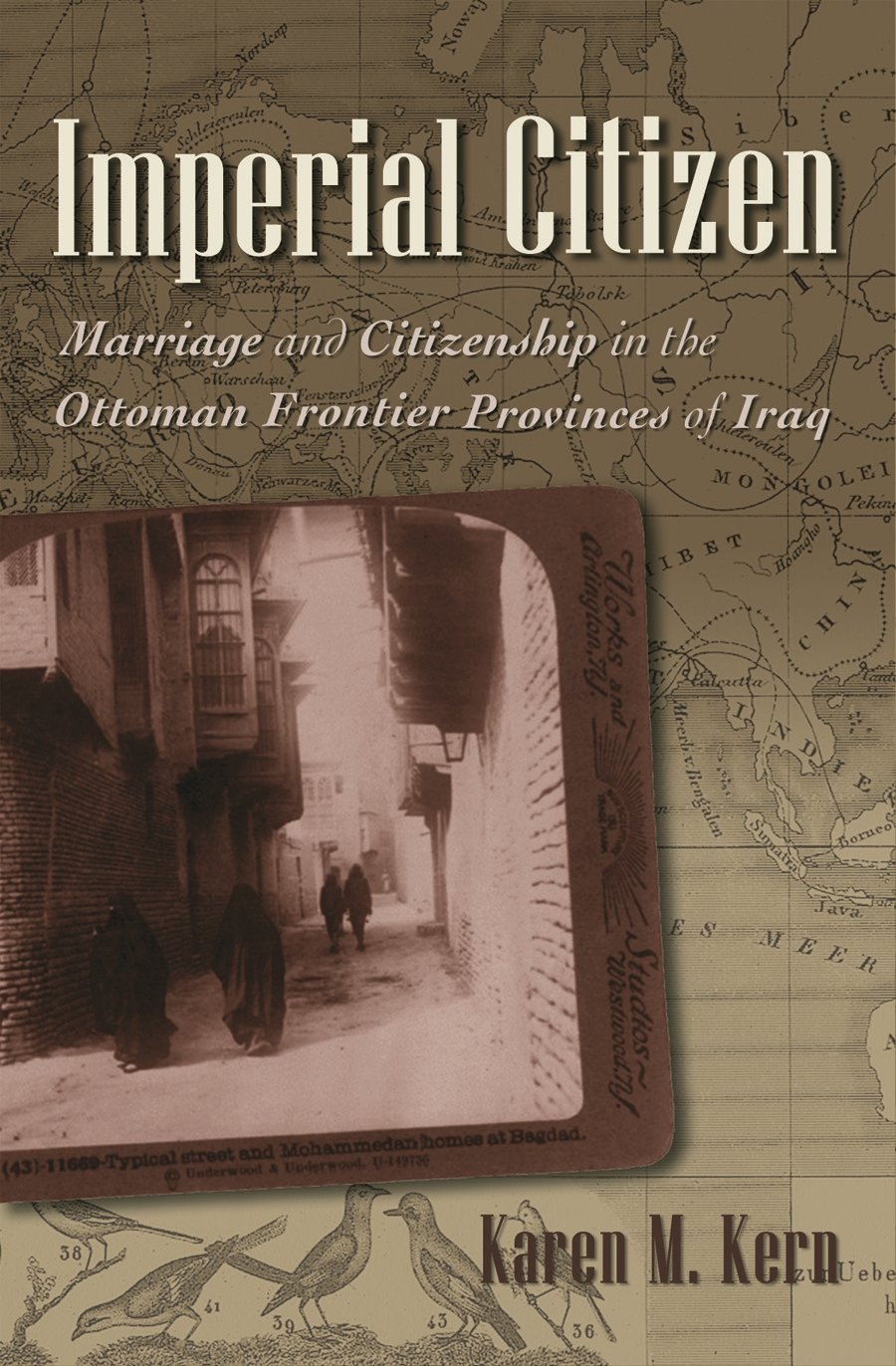
Imperial Citizen examines the intersection between Ottoman imperialism, control of the Iraqi frontier through centralization policies, and the impact of those policies on Ottoman citizenship laws and on the institution of marriage. In an effort to maintain control of the Iraqi provinces, the Ottomans adapted their 1869 citizenship law to prohibit marriage between Ottoman women and Iranian men. This prohibition was an attempt to contain the threat that the Iranian Shia population represented to Ottoman control of these provinces. In Imperial Citizen, Kern establishes this 1869 law as a point of departure for an illuminating exploration of an emerging concept of modern citizenship. She unfolds the historical context of the law and systematically analyzes the various modifications it underwent, pointing to its farreaching implications throughout society, particularly on landowners, the military, and Sunni women and their children. Kerns fascinating account offers an invaluable contribution to our understanding of the Ottoman Iraqi frontier and its passage to modernity.
⚠️ WARNING (California Proposition 65):
This product may contain chemicals known to the State of California to cause cancer,
birth defects, or other reproductive harm.
For MAP (Minimum Advertised Price) violations and Intellectual Property (IP) or Trademark concerns, please contact:
support@ergodebooks.com
⚠️ California Proposition 65 Warning: Some products sold on this website may expose you to chemicals known to the State of California to cause cancer, birth defects, or other reproductive harm. For more information, visit www.P65Warnings.ca.gov.