
Title
Imposing Wilderness: Struggles over Livelihood and Nature Preservation in Africa (California Studies in Critical Human Geography,Used
Sold by Ergodebooks, an authorized reseller.
Returns accepted within 30 days | support@ergodebooks.com
Shipping Information
- Free Standard Shipping — United States only
- Processing Time: 3–5 business days
- Estimated Delivery: 6–10 business days after dispatch
- Double-boxed, fully insured & discreetly packaged
- Tracking number sent via email once dispatched
Returns & Refund
Returns accepted within 30 days of delivery.
Damaged or Defective Item
Free return shipping + replacement or full refund
Wrong Item Received
Free return shipping + replacement or full refund
Change of Mind
Return shipping at customer's expense · 25% restocking fee applies
Payment Option

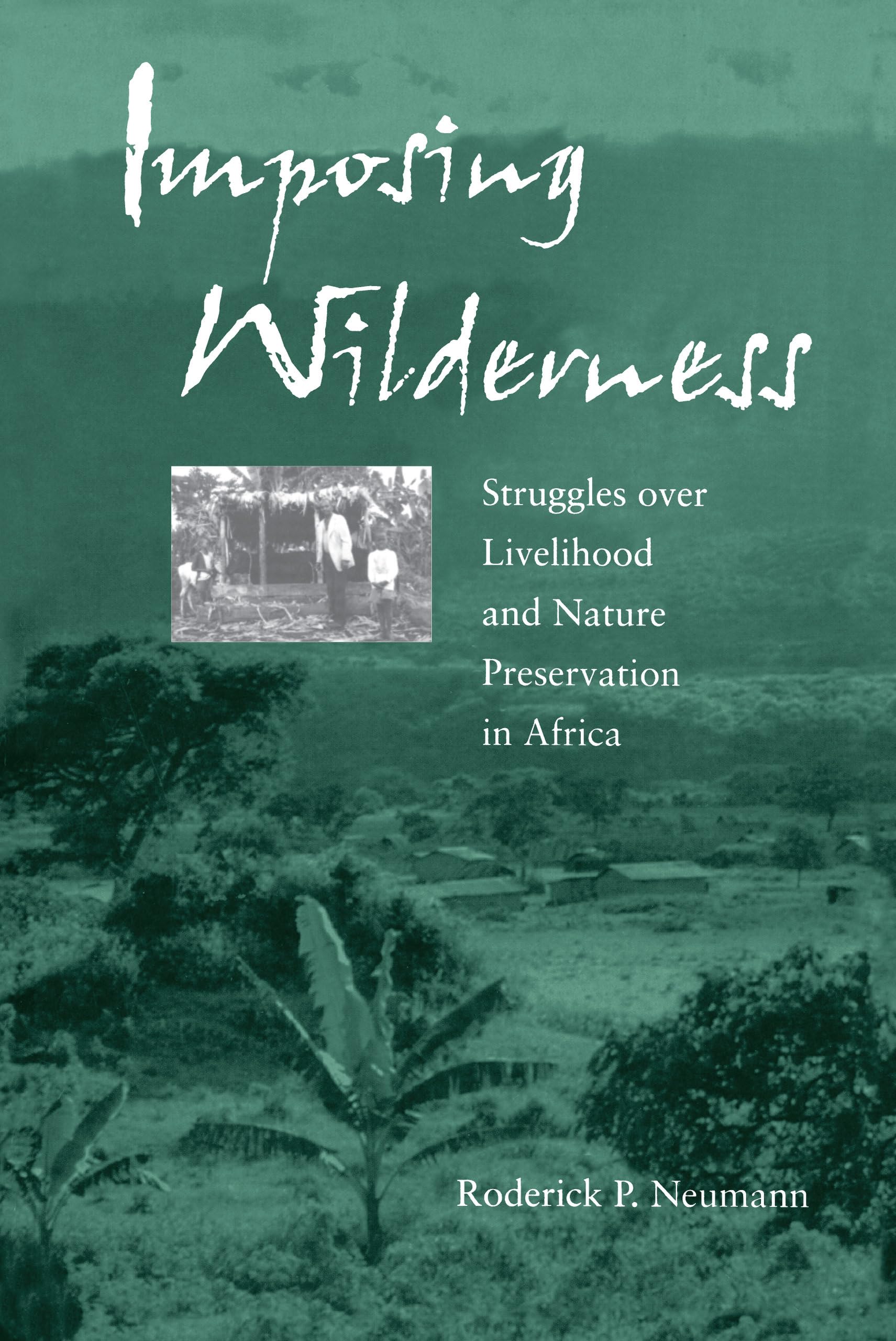
Arusha National Park in northern Tanzania, known for its scenic beauty, is also a battleground. Roderick Neumann's illuminating analysis shows how this park embodies all the politicalecological dilemmas facing protected areas throughout Africa. The roots of the ongoing struggle between the park on Mount Meru and the neighboring Meru peasant communities go much deeper, in Neumann's view, than the issues of poverty, population growth, and ignorance usually cited. These conflicts reflect differences that go back to the beginning of colonial rule. By imposing a European ideal of pristine wilderness, Neumann says, the establishment of national parks and protected areas displaced African meanings as well as material access to the land. He focuses on the symbolic importance of natural landscapes among various social groups in this setting and how it relates to conflicts between peasant communities and the state.
⚠️ WARNING (California Proposition 65):
This product may contain chemicals known to the State of California to cause cancer, birth defects, or other reproductive harm.
For more information, please visit www.P65Warnings.ca.gov.
- Q: What is the main theme of 'Imposing Wilderness'? A: The main theme of 'Imposing Wilderness' is the political-ecological dilemmas surrounding conservation efforts in Africa, particularly focusing on the Arusha National Park in Tanzania and its conflict with local peasant communities.
- Q: Who is the author of the book? A: The author of 'Imposing Wilderness' is Roderick Neumann, who provides an in-depth analysis of the conflicts between nature preservation and local livelihoods.
- Q: How many pages long is the book? A: The book consists of 270 pages, offering a comprehensive examination of the issues related to nature conservation in Africa.
- Q: What type of binding does this book have? A: This book is available in paperback binding, making it accessible and easy to handle.
- Q: When was 'Imposing Wilderness' published? A: The book was published on January 23, 2002.
- Q: Is this book suitable for academic use? A: Yes, 'Imposing Wilderness' is suitable for academic use, particularly in fields related to geography, environmental studies, and African studies.
- Q: What edition of the book is available? A: The available edition of the book is the First Edition.
- Q: What are the key conflicts discussed in the book? A: Key conflicts discussed include the displacement of local meanings and access to land due to the establishment of national parks and the imposition of European ideals of wilderness.
- Q: Does the book include any case studies? A: Yes, the book includes case studies focusing on the dynamics between the Arusha National Park and the surrounding Meru peasant communities.
- Q: Can this book help understand conservation challenges in Africa? A: Absolutely, 'Imposing Wilderness' provides valuable insights into the challenges of conservation in Africa by exploring historical and social dimensions of these conflicts.