
Title
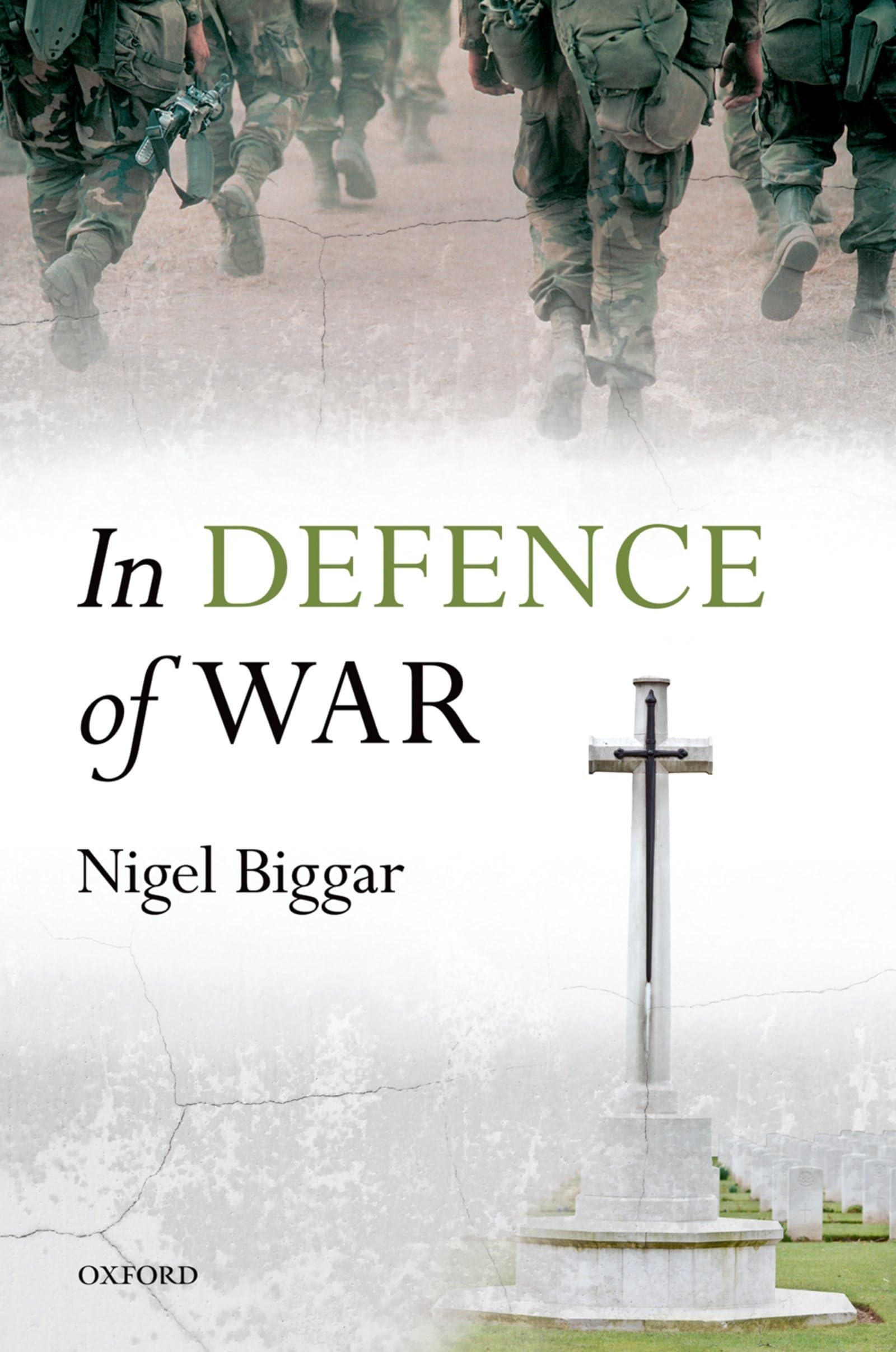
In Defence of War,Used
Sold by Ergodebooks, an authorized reseller.
Returns accepted within 30 days | support@ergodebooks.com
Shipping Information
- Free Standard Shipping — United States only
- Processing Time: 3–5 business days
- Estimated Delivery: 6–10 business days after dispatch
- Double-boxed, fully insured & discreetly packaged
- Tracking number sent via email once dispatched
Returns & Refund
Returns accepted within 30 days of delivery.
Damaged or Defective Item
Free return shipping + replacement or full refund
Wrong Item Received
Free return shipping + replacement or full refund
Change of Mind
Return shipping at customer's expense · 25% restocking fee applies
Payment Option

Pacifism is popular. Many hold that war is unnecessary, since peaceful means of resolving conflict are always available, if only we had the will to look for them. Or they believe that war is wicked, essentially involving hatred of the enemy and carelessness of human life. Or they posit the absolute right of innocent individuals not to be deliberately killed, making it impossible to justify war in practice.Peace, however, is not simple. Peace for some can leave others at peace to perpetrate mass atrocity. What was peace for the West in 1994 was not peace for the Tutsis of Rwanda. Therefore, against the virus of wishful thinking, antimilitary caricature, and the domination of moral deliberation by rightstalk In Defence of War asserts that belligerency can be morally justified, even though tragic and morally flawed.Recovering the Christian tradition of reflection running from Augustine to Grotius, this book affirms aggressive war in punishment of grave injustice. Morally realistic in adhering to universal moral principles, it recognises that morality can trump legality, justifying military intervention even in transgression of positive international lawas in the case of Kosovo. Less cynical and more empirically realistic about human nature than Hobbes, it holds that nations desire to be morally virtuous and right, and not only to be safe and fat. And aspiring to practical realism, it argues that love and the doctrine of double effect can survive combat; and that the constraints of proportionality, while real, are nevertheless sufficiently permissive to encompass Britain's belligerency in 191418. Finally, in a painstaking analysis of the Iraq invasion of 2003, In Defence of War culminates in an account of how the various criteria of just war should be thought together. It also concludes that, all things considered, the invasion was justified.
⚠️ WARNING (California Proposition 65):
This product may contain chemicals known to the State of California to cause cancer, birth defects, or other reproductive harm.
For more information, please visit www.P65Warnings.ca.gov.
- Q: What is the main theme of 'In Defence of War'? A: The main theme of 'In Defence of War' is the moral justification of war. The author argues that while pacifism is popular, there are circumstances where war can be morally justified, particularly in response to grave injustices.
- Q: Who is the author of this book? A: 'In Defence of War' is authored by Nigel Biggar, who explores historical and moral aspects of warfare.
- Q: What is the publication date of 'In Defence of War'? A: The book was published on November 15, 2013.
- Q: What type of binding does this book have? A: 'In Defence of War' is available in hardcover binding, which offers durability and a premium feel.
- Q: How many pages does 'In Defence of War' contain? A: The book contains 374 pages.
- Q: What category does this book fall under? A: 'In Defence of War' is categorized under Religion, Politics & State.
- Q: Is 'In Defence of War' a new book? A: Yes, 'In Defence of War' is listed as a new book.
- Q: Does 'In Defence of War' discuss historical wars? A: 'In Defence of War' examines historical contexts, including a detailed analysis of the Iraq invasion of 2003 and the implications of just war theory.
- Q: What philosophical perspectives does the book address? A: The book reflects on the Christian tradition of just war theory, drawing from thinkers like Augustine and Grotius, and addresses the moral complexities of warfare.
- Q: Can 'In Defence of War' help in understanding contemporary military ethics? A: Yes, 'In Defence of War' provides insights into contemporary military ethics by discussing the moral justification for military action in light of universal moral principles.