
Title
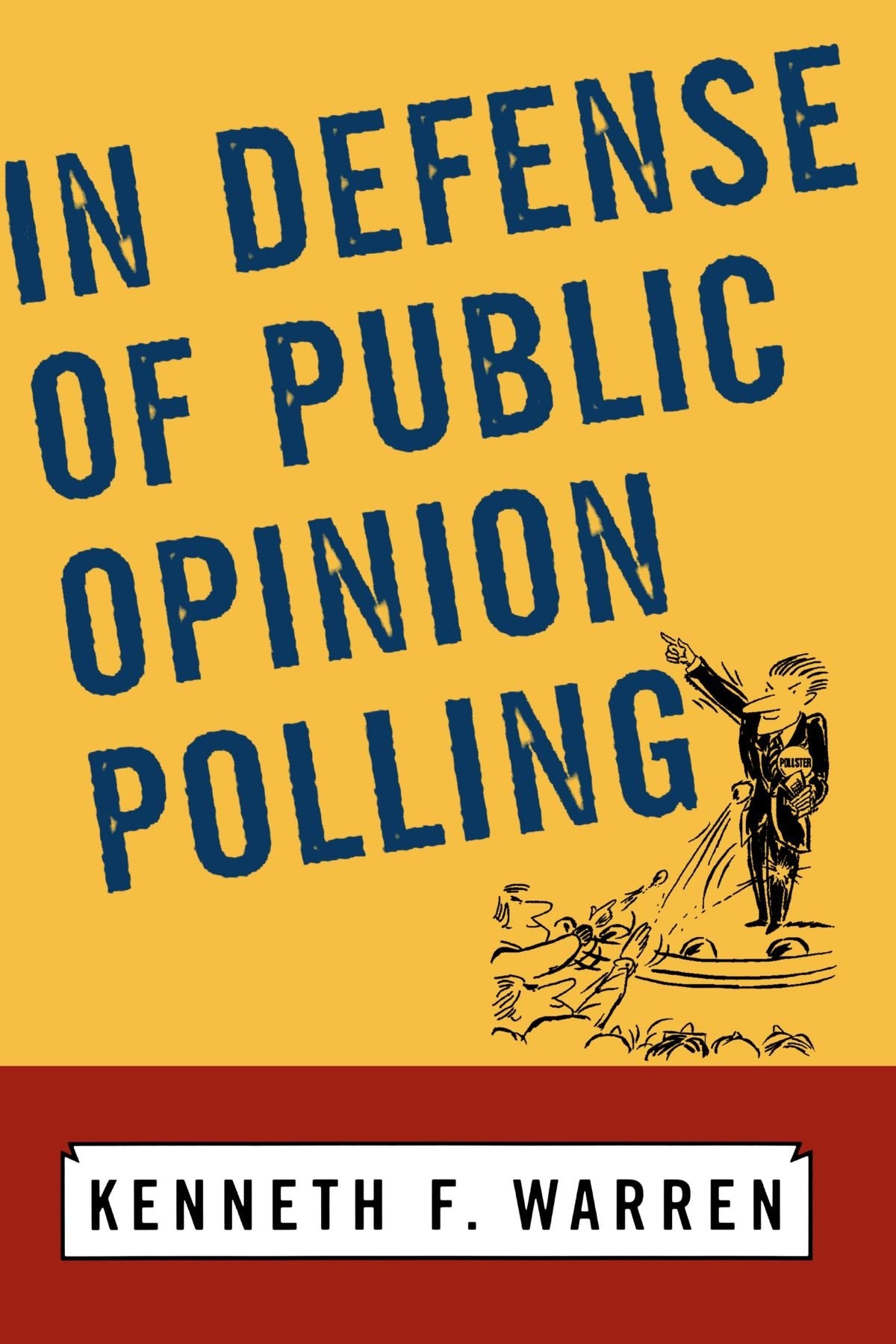
In Defense Of Public Opinion Polling,Used
Sold by Ergodebooks, an authorized reseller.
Returns accepted within 30 days | support@ergodebooks.com
Shipping Information
- Free Standard Shipping — United States only
- Processing Time: 3–5 business days
- Estimated Delivery: 6–10 business days after dispatch
- Double-boxed, fully insured & discreetly packaged
- Tracking number sent via email once dispatched
Returns & Refund
Returns accepted within 30 days of delivery.
Damaged or Defective Item
Free return shipping + replacement or full refund
Wrong Item Received
Free return shipping + replacement or full refund
Change of Mind
Return shipping at customer's expense · 25% restocking fee applies
Payment Option

What do we really know about public opinion polls? Are they as flawed as conventional wisdom implies? How accurate are the polls, really? How can we spot a bad poll? Why do politicians and journalists have a lovehate relationship with polls? How do polls help us interpret history? Why has public opinion polling become so popular in other countries?In the 2000 national elections 100 million was spent on campaign polling alone. A 5 billion industry from Gallup to Zogby, public opinion polling is growing rapidly with the explosion of consumeroriented market research, political and media polling, and controversial Internet polling. By many measures?from editorial cartoons to bumper stickers?we hate pollsters and their polls. We think of polling as hopelessly flawed, invasive of our privacy, and just plain annoying. At times we even argue that polling is illegal, unconstitutional, and downright unAmerican. Yet we crave the information polling provides. What do other Americans think about gun control? School vouchers? Airline performance? Or the Yankees' chances for winning another World Series? Pollsters consult with jurists on the best venue for a controversial criminal trial. They advise car manufacturers on which paint colors to use for a new model. They guide city councils in how to divide public funding across competing priorities.Ken Warren closes this book with an especially candid report card on how 13 major pollsters fared in predicting the November 2000 presidential contest and how pollsters fared in making 136 projections in congressional and gubernatorial races across the United States. Despite the wild swings of the political season most pollsters were remarkably accurate in forecasting the results. Based on extensive interviews with major pollsters and a wide examination of current polling practices and results, In Defense of Public Opinion Polling argues strongly that well conducted scientific polls are not only accurate, but are valuable tools in understanding society and promoting its own best interests. This book is perfectly suited for courses in communications, and political psychology.
⚠️ WARNING (California Proposition 65):
This product may contain chemicals known to the State of California to cause cancer, birth defects, or other reproductive harm.
For more information, please visit www.P65Warnings.ca.gov.