
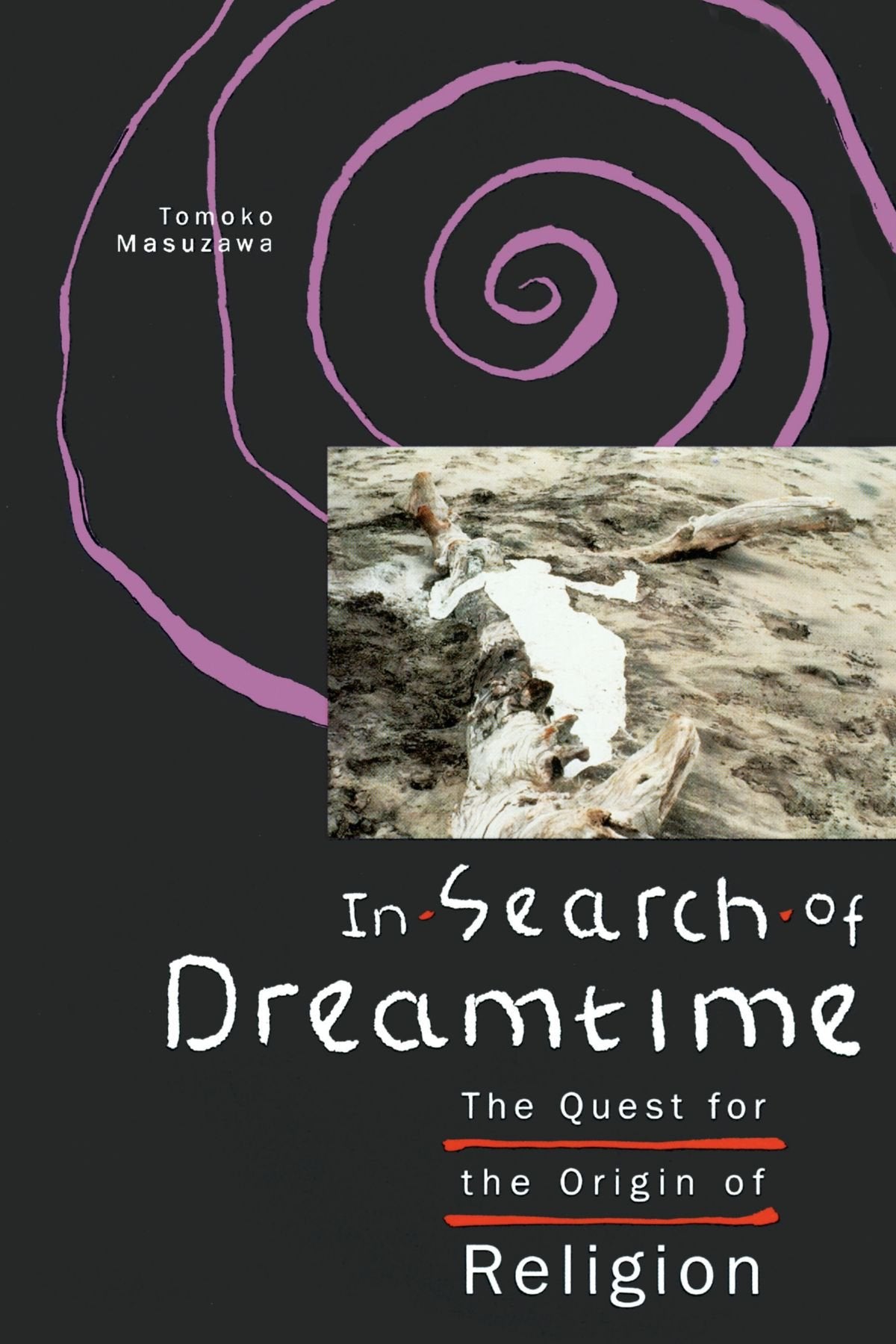
Title
In Search Of Dreamtime: The Quest For The Origin Of Religion (Religion And Postmodernism),New
Sold by Ergodebooks, an authorized reseller.
Returns accepted within 30 days | support@ergodebooks.com
Shipping Information
- Free Standard Shipping — United States only
- Processing Time: 3–5 business days
- Estimated Delivery: 6–10 business days after dispatch
- Double-boxed, fully insured & discreetly packaged
- Tracking number sent via email once dispatched
Returns & Refund
Returns accepted within 30 days of delivery.
Damaged or Defective Item
Free return shipping + replacement or full refund
Wrong Item Received
Free return shipping + replacement or full refund
Change of Mind
Return shipping at customer's expense · 25% restocking fee applies
Payment Option

In This Pioneering Work Of Discourse Analysis, Tomoko Masuzawa Observes That The Modern Study Of Religion Is Peculiarly Ambivalent Toward The Question Of Origin. Today'S Historians Of Religion Maintain That They Have Abandoned Speculative Quests For The Origin Of Religion; At The Same Time, They Allege That Concepts Of Absolute Beginnings Are Fundamental To Religion Itself. By Renouncing The Desire For Origins That They Claim Religious Peoples Embrace, Historians Can Vicariously Participate In The Forbidden Questso It Seemswithout Forfeiting The Authority Accruing From Their Objectivist Position.This Ambivalence Of Contemporary Scholars Echoes Their Ambivalence Toward The Ancestral 'Giants' Of The Discipline: Durkheim, Mller, And Freud. Masuzawa Shows That The Speculations Of These Three Men On The Origins Of Religion Render The Very Notion Of Time And History Problematic And Contain Powerful Instruments For Dislodging The Position Of 'Western Man' As The Keeper Of Knowledge. Her Critical Rereading Of These Forefathers Is Framed By A Compelling Discussion Of The Postmodernist Subversion Of Absolute Origins In The Works Of Walter Benjamin And Rosalind Krauss And A Comparison Of Mircea Eliade And Nancy Munn'S Accounts Of The Australian Aboriginal 'Dreamtime.' Engaging A Number Of Critical Issues Within The Burgeoning Field Of Cultural Studies, Masuzawa'S Book Will Have Farreaching Implications Not Only For Religious Studies But Throughout The Human Sciences.
⚠️ WARNING (California Proposition 65):
This product may contain chemicals known to the State of California to cause cancer, birth defects, or other reproductive harm.
For more information, please visit www.P65Warnings.ca.gov.
- Q: How many pages does the book have? A: The book has two hundred thirty-two pages. It's structured to provide an in-depth analysis of religion's origins.
- Q: What is the binding type of this book? A: The book is published in paperback binding. This makes it lightweight and easy to handle.
- Q: What are the dimensions of the book? A: The book measures nine point zero six inches in length, five point nine six inches in width, and zero point five one inches in height. These dimensions make it portable for readers.
- Q: Who is the author of the book? A: The author is Tomoko Masuzawa. She explores the complexities of the origin of religion in this scholarly work.
- Q: What category does this book fall under? A: The book falls under the category of Religion and Spirituality. It addresses critical issues within cultural studies.
- Q: Is this book suitable for beginners in religious studies? A: Yes, the book is suitable for beginners. It presents complex ideas in an accessible manner, making it useful for new readers.
- Q: What themes are explored in this book? A: The book explores themes of origin, cultural studies, and the ambivalence in modern religious studies. It critically engages with historical perspectives.
- Q: How should I approach reading this book? A: Readers should approach the book with an open mind and a willingness to engage with challenging concepts. It's ideal for thoughtful reflection.
- Q: Is this book appropriate for academic use? A: Yes, the book is appropriate for academic use. It offers critical insights that are valuable for scholarly discussions.
- Q: How do I store this book to keep it in good condition? A: Store the book in a cool, dry place away from direct sunlight. This helps preserve the binding and pages.
- Q: Can I clean the book if it gets dirty? A: Yes, you can gently wipe the cover with a soft, dry cloth. Avoid using liquids that may damage the paper.
- Q: What should I do if the book arrives damaged? A: If the book arrives damaged, you should contact the seller for a return or replacement. Most sellers have policies for such issues.
- Q: Is there a warranty for this book? A: No, there is typically no warranty for books. However, return policies may apply if there are issues upon receipt.
- Q: Are there other books by the same author? A: Yes, Tomoko Masuzawa has written other works related to religion and cultural studies. Researching her bibliography can provide more options.
- Q: What makes this book unique in its field? A: The book is unique for its discourse analysis approach and its critical engagement with historical giants in religious studies. It challenges established norms.
- Q: Does this book include references or a bibliography? A: Yes, the book includes references that support its arguments. This enhances its credibility and usefulness for further research.