
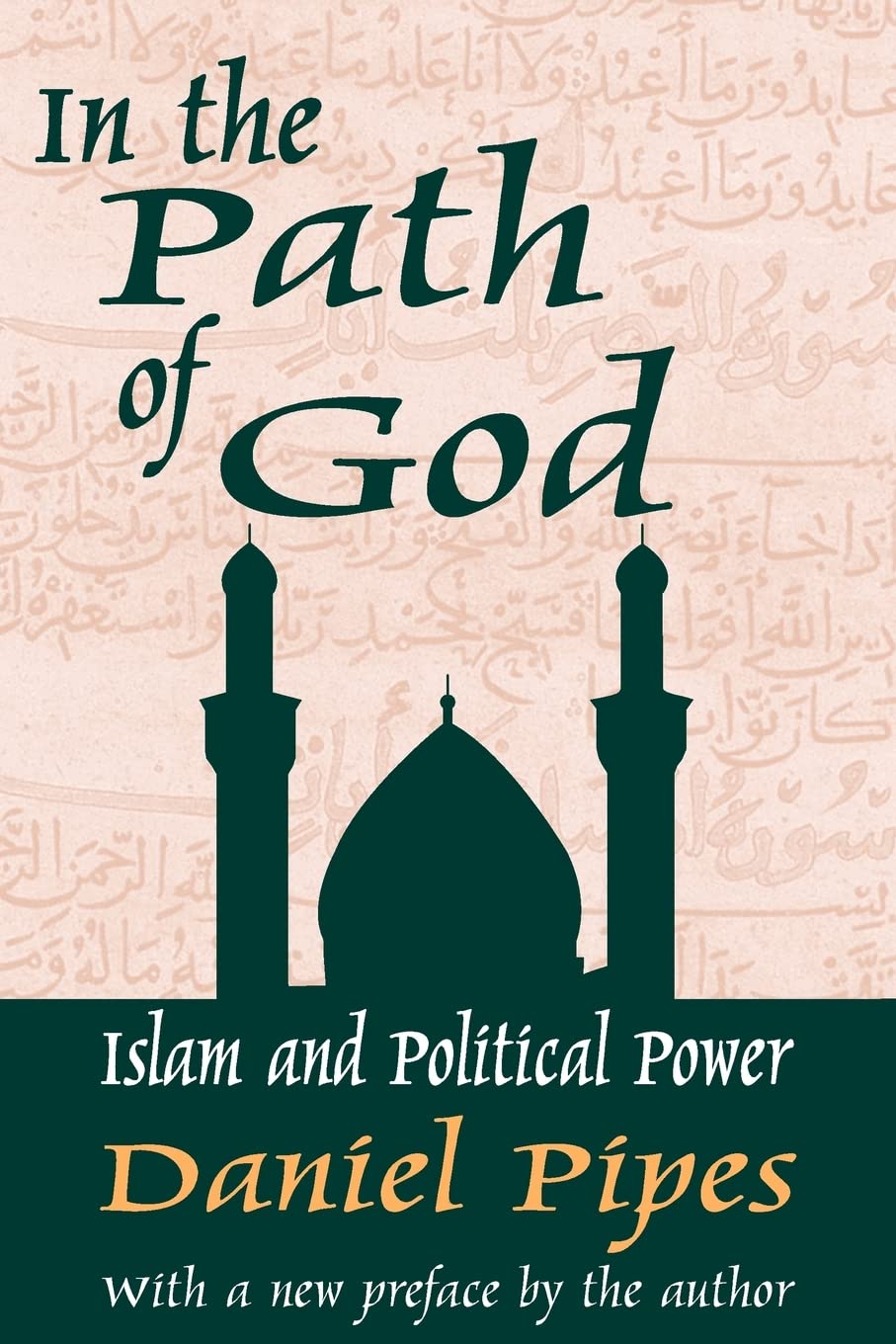
Title

In the Path of God: Islam and Political Power,Used
Sold by Ergodebooks, an authorized reseller.
Returns accepted within 30 days | support@ergodebooks.com
Shipping Information
- Free Standard Shipping — United States only
- Processing Time: 3–5 business days
- Estimated Delivery: 6–10 business days after dispatch
- Double-boxed, fully insured & discreetly packaged
- Tracking number sent via email once dispatched
Returns & Refund
Returns accepted within 30 days of delivery.
Damaged or Defective Item
Free return shipping + replacement or full refund
Wrong Item Received
Free return shipping + replacement or full refund
Change of Mind
Return shipping at customer's expense · 25% restocking fee applies
Payment Option

Americans' awareness of Islam and Muslims rose to seemingly unprecedented heights in the immediate aftermath of September 11, 2001, but this is not the first time they have dominated American public life. Once before, during the period of the Iranian revolution and hostage crisis of 1979 to 1981, Americans found themselves targeted as a consequence of a militant interpretation of Islam. Daniel Pipes wrote In the Path of God in response to those events, and the heightened interest in Islam they generated. His objective was to present an overview of the connection between in Islam and political power through history in a way that would explain the origins of hostility to Americans and the West. Its relevance to our understanding of contemporary events is self evident.Muslim antagonism toward the West is deeply rooted in historical experience. In premodern times, the Islamic world enjoyed great success, being on the whole more powerful and wealthier than their neighbors. About two hundred years ago, a crisis developed, as Muslims became aware of the West's overwhelming force and economic might. While they might have found these elements attractive, Muslims found European culture largely alien and distasteful. The resulting resistance to Westernization by Muslims has deep roots, has been more persistent than that of other peoples, and goes far to explain the deep Muslim reluctance to accept modern ways. In short, Muslims saw what the West had and wanted it too, but they rejected the methods necessary to achieve this. This, the Muslim trauma, has only worsened over the years.
⚠️ WARNING (California Proposition 65):
This product may contain chemicals known to the State of California to cause cancer, birth defects, or other reproductive harm.
For more information, please visit www.P65Warnings.ca.gov.