
Title
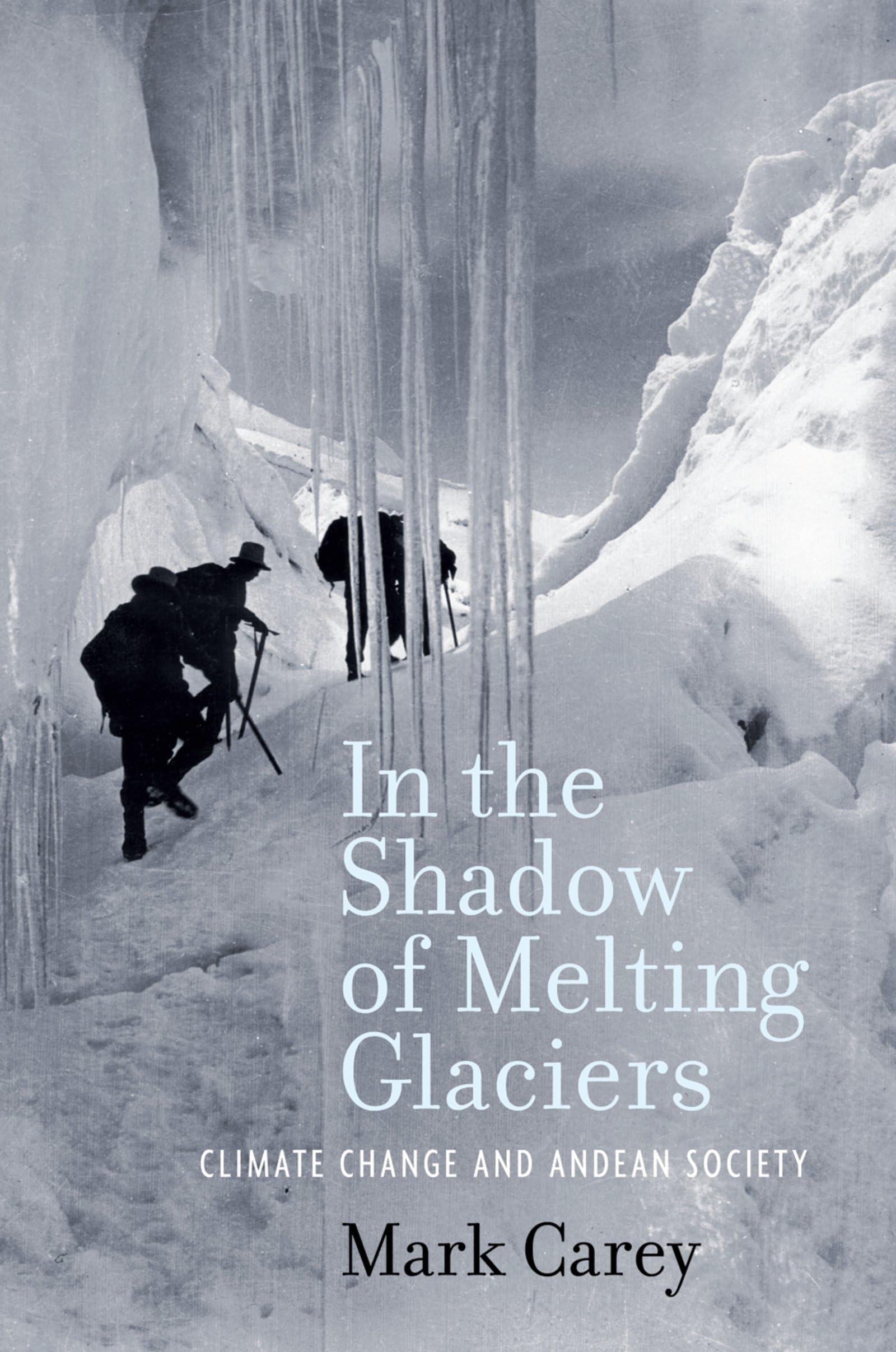
In the Shadow of Melting Glaciers: Climate Change and Andean Society,Used
Sold by Ergodebooks, an authorized reseller.
Returns accepted within 30 days | support@ergodebooks.com
Shipping Information
- Free Standard Shipping — United States only
- Processing Time: 3–5 business days
- Estimated Delivery: 6–10 business days after dispatch
- Double-boxed, fully insured & discreetly packaged
- Tracking number sent via email once dispatched
Returns & Refund
Returns accepted within 30 days of delivery.
Damaged or Defective Item
Free return shipping + replacement or full refund
Wrong Item Received
Free return shipping + replacement or full refund
Change of Mind
Return shipping at customer's expense · 25% restocking fee applies
Payment Option

Climate change is producing profound changes globally. Yet we still know little about how it affects real people in real places on a daily basis because most of our knowledge comes from scientific studies that try to estimate impacts and project future climate scenarios. This book is different, illustrating in vivid detail how people in the Andes have grappled with the effects of climate change and ensuing natural disasters for more than half a century. In Peru's Cordillera Blanca mountain range, global climate change has generated the world's most deadly glacial lake outburst floods and glacier avalanches, killing 25,000 people since 1941. As survivors grieved, they formed community organizations to learn about precarious glacial lakes while they sent priests to the mountains, hoping that God could calm the increasingly hostile landscape. Meanwhile, Peruvian engineers working with miniscule budgets invented innovative strategies to drain dozens of the most unstable lakes that continue forming in the twenty first century.But adaptation to global climate change was never simply about engineering the Andes to eliminate environmental hazards. Local urban and rural populations, engineers, hydroelectric developers, irrigators, mountaineers, and policymakers all perceived and responded to glacier melting differentlybased on their own view of an ideal Andean world. Disaster prevention projects involved debates about economic development, state authority, race relations, class divisions, cultural values, the evolution of science and technology, and shifting views of nature. Over time, the influx of new groups to manage the Andes helped transform glaciated mountains into commodities to consume. Locals lost power in the process and today comprise just one among many stakeholders in the high Andesand perhaps the least powerful. Climate change transformed a region, triggering catastrophes while simultaneously jumpstarting modernization processes. This book's historical perspective illuminates these trends that would be ignored in any scientific projections about future climate scenarios.
⚠️ WARNING (California Proposition 65):
This product may contain chemicals known to the State of California to cause cancer, birth defects, or other reproductive harm.
For more information, please visit www.P65Warnings.ca.gov.