
Title
In the Shadow of Slavery: Africas Botanical Legacy in the Atlantic World,Used
Sold by Ergodebooks, an authorized reseller.
Returns accepted within 30 days | support@ergodebooks.com
Shipping Information
- Free Standard Shipping — United States only
- Processing Time: 3–5 business days
- Estimated Delivery: 6–10 business days after dispatch
- Double-boxed, fully insured & discreetly packaged
- Tracking number sent via email once dispatched
Returns & Refund
Returns accepted within 30 days of delivery.
Damaged or Defective Item
Free return shipping + replacement or full refund
Wrong Item Received
Free return shipping + replacement or full refund
Change of Mind
Return shipping at customer's expense · 25% restocking fee applies
Payment Option

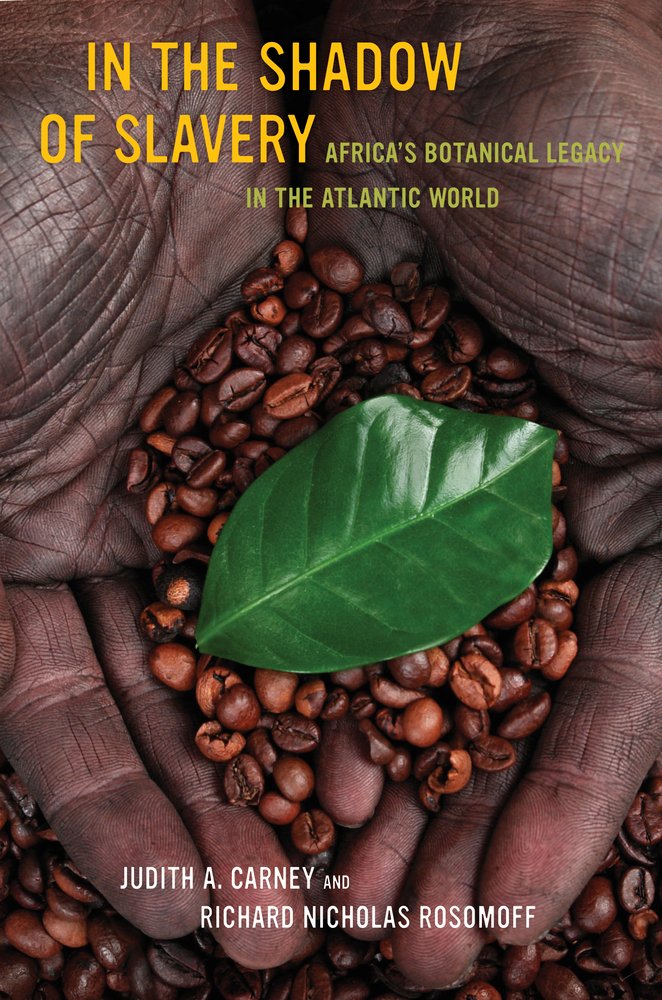
The transatlantic slave trade forced millions of Africans into bondage. Until the early nineteenth century, African slaves came to the Americas in greater numbers than Europeans. In the Shadow of Slavery provides a startling new assessment of the Atlantic slave trade and upends conventional wisdom by shifting attention from the crops slaves were forced to produce to the foods they planted for their own nourishment. Many familiar foodsmillet, sorghum, coffee, okra, watermelon, and the Asian long bean, for exampleare native to Africa, while commercial products such as Coca Cola, Worcestershire Sauce, and Palmolive Soap rely on African plants that were brought to the Americas on slave ships as provisions, medicines, cordage, and bedding. In this exciting, original, and groundbreaking book, Judith A. Carney and Richard Nicholas Rosomoff draw on archaeological records, oral histories, and the accounts of slave ship captains to show how slaves' food plotsbotanical gardens of the dispossessedbecame the incubators of African survival in the Americas and Africanized the foodways of plantation societies.
⚠️ WARNING (California Proposition 65):
This product may contain chemicals known to the State of California to cause cancer, birth defects, or other reproductive harm.
For more information, please visit www.P65Warnings.ca.gov.
- Q: What is the main focus of 'In the Shadow of Slavery'? A: 'In the Shadow of Slavery' examines the role of African plants and foods in the Atlantic slave trade, highlighting how enslaved Africans cultivated their own food for nourishment while also influencing the agricultural practices in the Americas.
- Q: Who are the authors of this book? A: The book is authored by Judith A. Carney and Richard Nicholas Rosomoff.
- Q: When was 'In the Shadow of Slavery' published? A: 'In the Shadow of Slavery' was published on February 1, 2011.
- Q: What are the key themes discussed in the book? A: Key themes include the impact of the transatlantic slave trade on African agriculture, the introduction of native African foods to the Americas, and the concept of slaves creating 'botanical gardens' for survival.
- Q: How many pages does the book have? A: 'In the Shadow of Slavery' contains 296 pages.
- Q: What is the binding type of this book? A: The book is available in a paperback binding.
- Q: Is the book in new condition? A: Yes, the book is in new condition.
- Q: What edition of the book is available? A: This is the First Edition of 'In the Shadow of Slavery'.
- Q: What subjects does the book cover? A: The book covers subjects related to African history, the Atlantic slave trade, and botany.
- Q: Can this book be useful for academic research? A: Yes, 'In the Shadow of Slavery' provides valuable insights and references that can be useful for academic research on African history and the impacts of slavery on agriculture.