If you have any questions, you are always welcome to contact us. We'll get back to you as soon as possible, withing 24 hours on weekdays.
Customer service
All questions about your order, return and delivery must be sent to our customer service team by e-mail at yourstore@yourdomain.com
Sale & Press
If you are interested in selling our products, need more information about our brand or wish to make a collaboration, please contact us at press@yourdomain.com
Help
If you have any questions, you are always welcome to contact us. We'll get back to you as soon as possible, withing 24 hours on weekdays.
Customer service
All questions about your order, return and delivery must be sent to our customer service team by e-mail at yourstore@yourdomain.com
Sale & Press
If you are interested in selling our products, need more information about our brand or wish to make a collaboration, please contact us at press@yourdomain.com
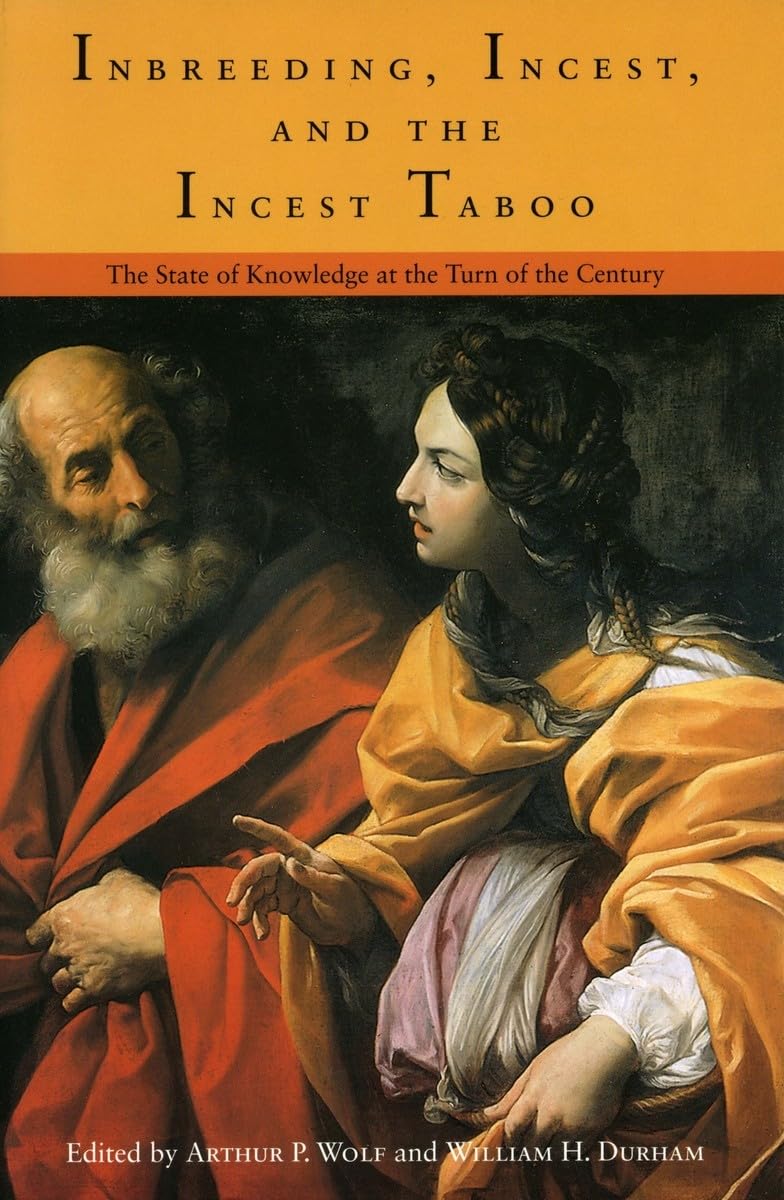
Is inbreeding harmful? Are human beings and other primates naturally inclined to mate with their closest relatives? Why is incest widely prohibited? Why does the scope of the prohibition vary from society to society? Why does incest occur despite the prohibition? What are the consequences? After one hundred years of intense argument, a broad consensus has emerged on the first two questions, but the debate over the others continues.That there is a biological basis for the avoidance of inbreeding seems incontrovertible, but just how injurious inbreeding really is for successive generations remains an open question. Nor has there been any conclusion to the debate over Freuds view that the incest taboo is necessary because humans are sexually attracted to their closest relativesa claim countered by Westermarck's argument for the sexually inhibiting effects of early childhood association.This book brings together contributions from the fields of genetics, behavioral biology, primatology, biological and social anthropology, philosophy, and psychiatry which reexamine these questions.
⚠️ WARNING (California Proposition 65):
This product may contain chemicals known to the State of California to cause cancer,
birth defects, or other reproductive harm.
For MAP (Minimum Advertised Price) violations and Intellectual Property (IP) or Trademark concerns, please contact:
support@ergodebooks.com
⚠️ California Proposition 65 Warning: Some products sold on this website may expose you to chemicals known to the State of California to cause cancer, birth defects, or other reproductive harm. For more information, visit www.P65Warnings.ca.gov.