
Title
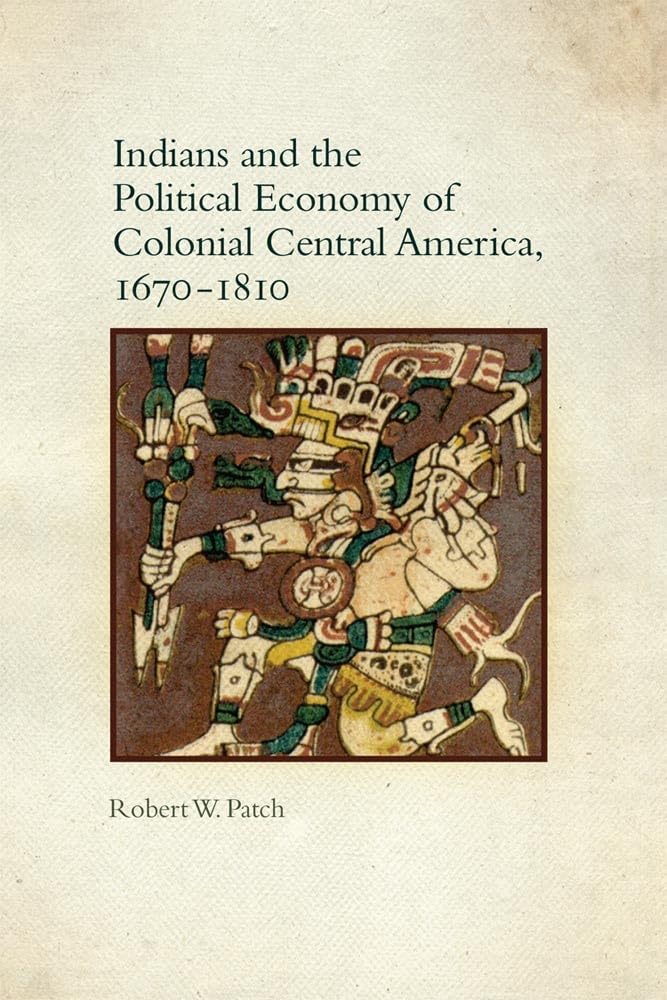
Indians And The Political Economy Of Colonial Central America, 16701810,Used
Sold by Ergodebooks, an authorized reseller.
Returns accepted within 30 days | support@ergodebooks.com
Shipping Information
- Free Standard Shipping — United States only
- Processing Time: 3–5 business days
- Estimated Delivery: 6–10 business days after dispatch
- Double-boxed, fully insured & discreetly packaged
- Tracking number sent via email once dispatched
Returns & Refund
Returns accepted within 30 days of delivery.
Damaged or Defective Item
Free return shipping + replacement or full refund
Wrong Item Received
Free return shipping + replacement or full refund
Change of Mind
Return shipping at customer's expense · 25% restocking fee applies
Payment Option

The history of relations between the Spanish and the Indians of colonial Central America, often oversimplified as a story of unending Spanish abuse, forms a complicated tapestry of economics and politics. Robert W. Patch's evenhanded study of the repartimientode mercancasthe commercial dealings between regional magistrates and the people under their jurisdictionreveals the inner workings of colonialism in Central America.Indians were at the heart of the colonial economy. They made up the majority of the population, produced most of the goods, and performed most of the labor. The bureaucrats who ruled over them were badly paid, and to increase their income, they carried out illegal business activities with the Indians and sometimes even nonIndians. This book analyzes these commercial exchanges in colonial Central America within the context of a colonial regime dependent for income on taxes paid by Indians.Patch demonstrates that the magistrates frequently used repartimientos illegally to facilitate tax collection and then justified their actions by claiming that such commerce was necessary for the survival of colonialism. At the same time, the commerce contributed to the development of regional economies and the integration of the regions into the world economy. Patchs case studies of highland Guatemala and Nicaragua reveal how the system worked at the regional and local levels. These studies manifest not only the profits to be made through repartimientos but also the problems faced by magistrates as they tried to be government officials and businessmen at the same time.The Spanish government eventually imposed reforms to make the colonial bureaucracy more honest by eliminating the repartimiento system. The reforms, however, also resulted in economic decline and political disaffection among the Hispanic population. Patchs book, therefore, covers a crucial phase in the history of Central America as the region moved from colonialism to independence.
⚠️ WARNING (California Proposition 65):
This product may contain chemicals known to the State of California to cause cancer, birth defects, or other reproductive harm.
For more information, please visit www.P65Warnings.ca.gov.