If you have any questions, you are always welcome to contact us. We'll get back to you as soon as possible, withing 24 hours on weekdays.
Customer service
All questions about your order, return and delivery must be sent to our customer service team by e-mail at yourstore@yourdomain.com
Sale & Press
If you are interested in selling our products, need more information about our brand or wish to make a collaboration, please contact us at press@yourdomain.com
Help
If you have any questions, you are always welcome to contact us. We'll get back to you as soon as possible, withing 24 hours on weekdays.
Customer service
All questions about your order, return and delivery must be sent to our customer service team by e-mail at yourstore@yourdomain.com
Sale & Press
If you are interested in selling our products, need more information about our brand or wish to make a collaboration, please contact us at press@yourdomain.com
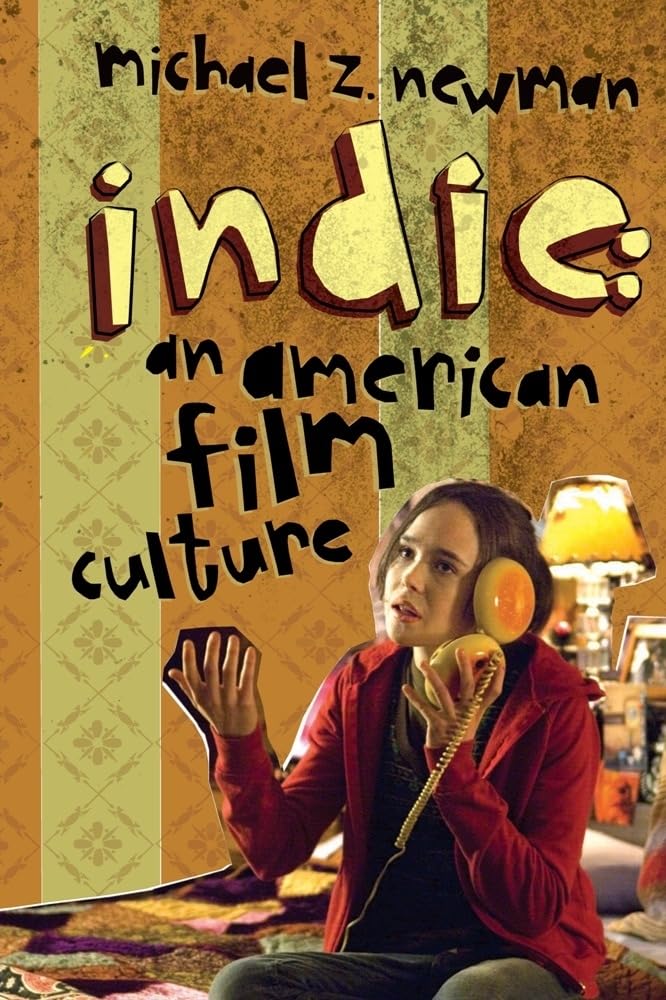
America's independent films often seem to defy classification. Their strategies of storytelling and representation range from raw, nobudget projects to more polished releases of Hollywood's 'specialty' divisions. Yet understanding American indies involves more than just considering films. Filmmakers, distributors, exhibitors, festivals, critics, and audiences all shape the art's identity, which is always understood in relation to the Hollywood mainstream.By locating the American indie film in the historical context of the 'SundanceMiramax' era (the mid1980s to the end of the 2000s), Michael Z. Newman considers indie cinema as an alternative American film culture. His work isolates patterns of character and realism, formal play, and oppositionality and the functions of the festivals, art houses, and critical media promoting them. He also accounts for the power of audiences to identify indie films in distinction to mainstream Hollywood and to seek socially emblematic characters and playful form in their narratives. Analyzing films such as Welcome to the Dollhouse (1996), Lost in Translation (2003), Pulp Fiction (1994), and Juno (2007), along with the work of Nicole Holofcener, Jim Jarmusch, John Sayles, Steven Soderbergh, and the Coen brothers, Newman investigates the conventions that cast indies as culturally legitimate works of art. He binds these diverse works together within a cluster of distinct viewing strategies and invites a reevaluation of the difference of independent cinema and its relationship to class and taste culture.
⚠️ WARNING (California Proposition 65):
This product may contain chemicals known to the State of California to cause cancer,
birth defects, or other reproductive harm.
For MAP (Minimum Advertised Price) violations and Intellectual Property (IP) or Trademark concerns, please contact:
support@ergodebooks.com
⚠️ California Proposition 65 Warning: Some products sold on this website may expose you to chemicals known to the State of California to cause cancer, birth defects, or other reproductive harm. For more information, visit www.P65Warnings.ca.gov.