If you have any questions, you are always welcome to contact us. We'll get back to you as soon as possible, withing 24 hours on weekdays.
Customer service
All questions about your order, return and delivery must be sent to our customer service team by e-mail at yourstore@yourdomain.com
Sale & Press
If you are interested in selling our products, need more information about our brand or wish to make a collaboration, please contact us at press@yourdomain.com
Help
If you have any questions, you are always welcome to contact us. We'll get back to you as soon as possible, withing 24 hours on weekdays.
Customer service
All questions about your order, return and delivery must be sent to our customer service team by e-mail at yourstore@yourdomain.com
Sale & Press
If you are interested in selling our products, need more information about our brand or wish to make a collaboration, please contact us at press@yourdomain.com
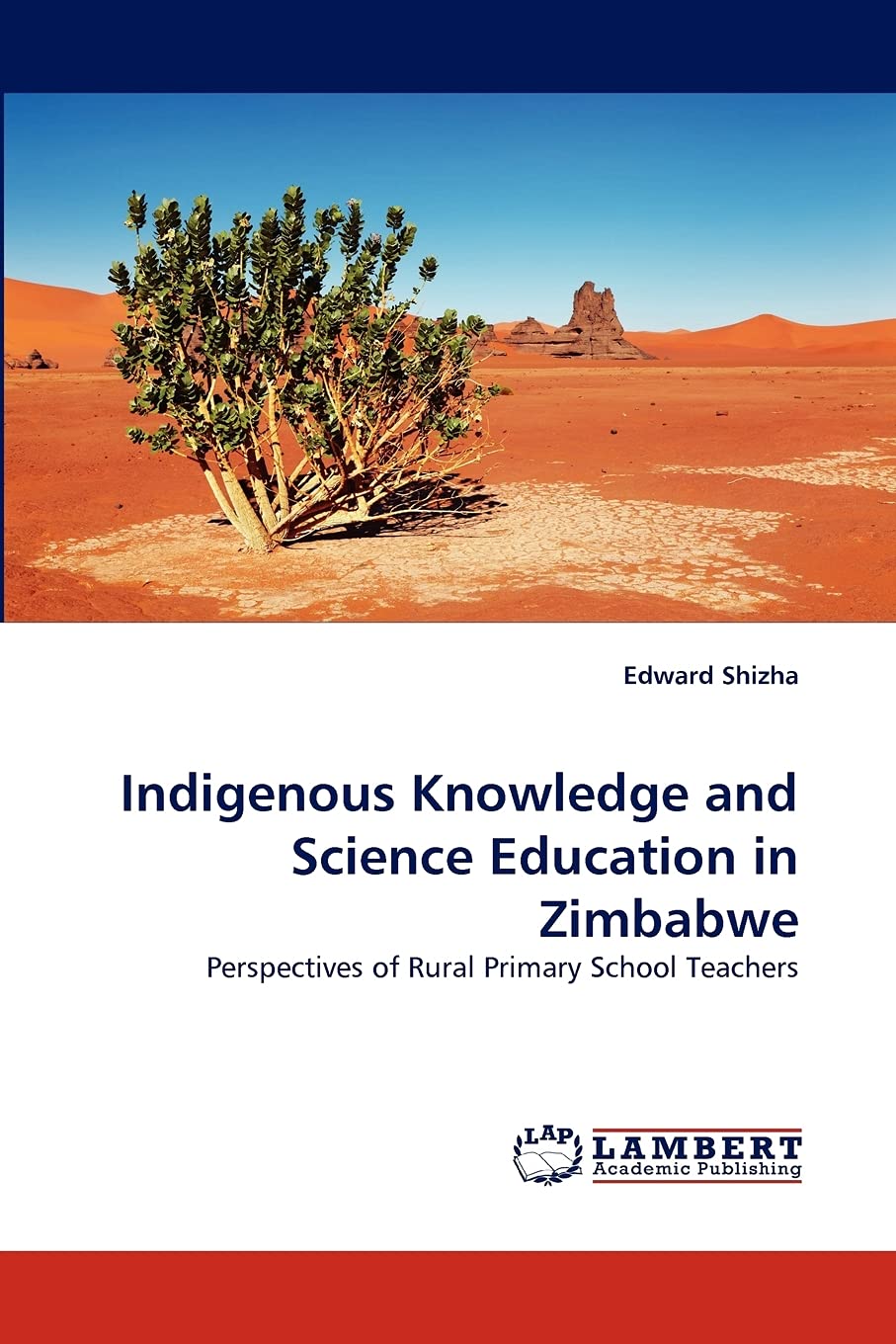
Teachers are "gatekeepers" in schools. They process what is assumed "valid knowledge" and how it is taught. The process marginalizes indigenous knowledge and legitimizes western science. This book explores and discusses teachers' definitions of science and indigenous knowledge,their attitude towards incorporating the latter in science, and pedagogical techniques they use to bridge the cultural gap between science and indigenous knowledge. While teachers are expected to facilitate new knowledge and perspectives in teaching, they are sometimes conservative and resistant to new ideas. Science and indigenous knowledge are cultural and contextual constructs. Teachers should apply this contextual knowledge in their classes and allow students to move hermeneutically between western and indigenous sciences. The book challenges the cultural domination, universalization and rationalization of western science which negates other voices. The constructivist analysis that promotes multiple sciences should be of significant help to teachers, teacher educators, curriculum developers, policy makers, and others interested in promoting intercultural or crosscultural sciences.
⚠️ WARNING (California Proposition 65):
This product may contain chemicals known to the State of California to cause cancer,
birth defects, or other reproductive harm.
For MAP (Minimum Advertised Price) violations and Intellectual Property (IP) or Trademark concerns, please contact:
support@ergodebooks.com
⚠️ California Proposition 65 Warning: Some products sold on this website may expose you to chemicals known to the State of California to cause cancer, birth defects, or other reproductive harm. For more information, visit www.P65Warnings.ca.gov.