
Title
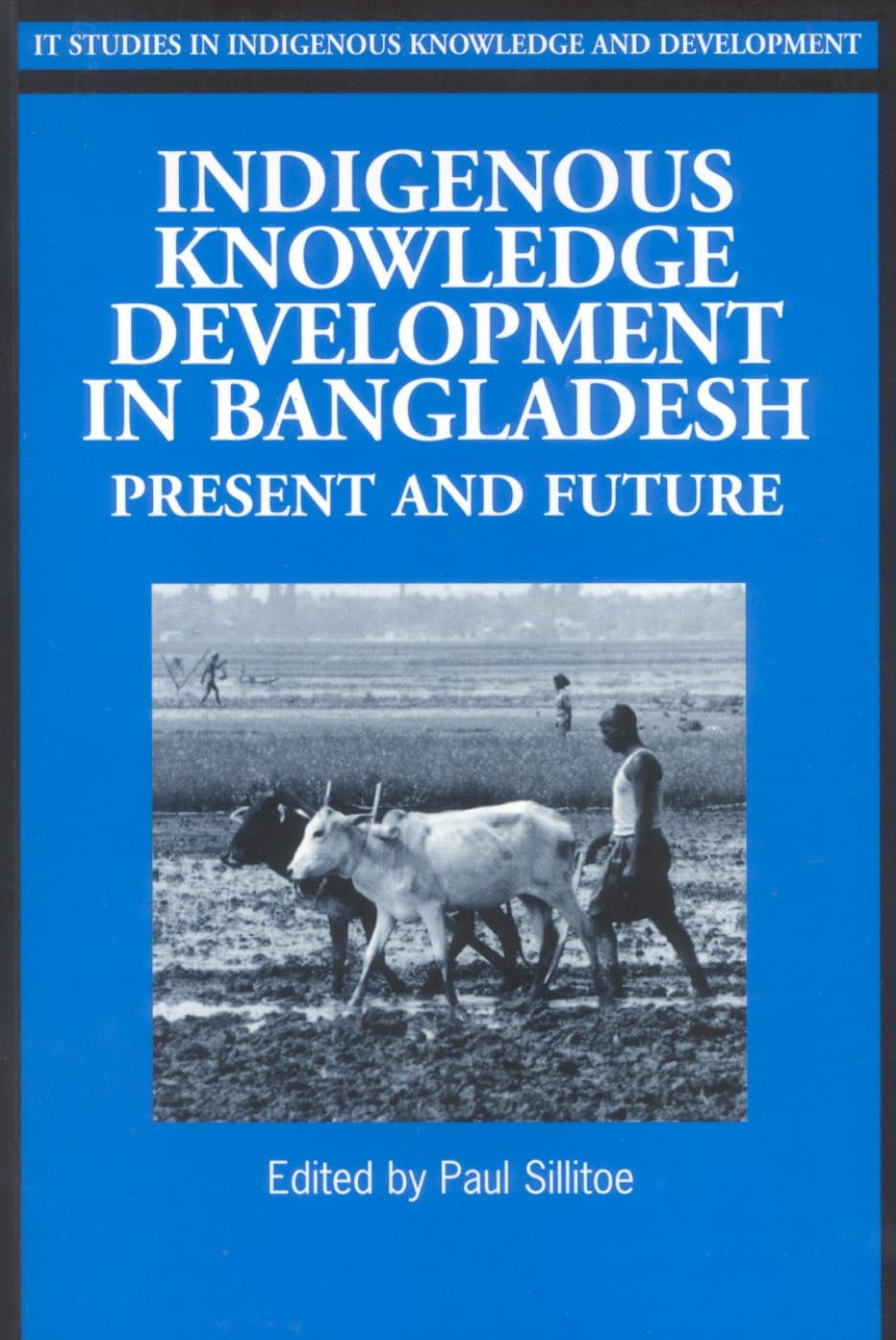
Indigenous Knowledge Development in Bangladesh: Present and Future (Studies in Indigenous Knowledge and Development),Used
Sold by Ergodebooks, an authorized reseller.
Returns accepted within 30 days | support@ergodebooks.com
Shipping Information
- Free Standard Shipping — United States only
- Processing Time: 3–5 business days
- Estimated Delivery: 6–10 business days after dispatch
- Double-boxed, fully insured & discreetly packaged
- Tracking number sent via email once dispatched
Returns & Refund
Returns accepted within 30 days of delivery.
Damaged or Defective Item
Free return shipping + replacement or full refund
Wrong Item Received
Free return shipping + replacement or full refund
Change of Mind
Return shipping at customer's expense · 25% restocking fee applies
Payment Option

Development has failed to deliver on many of its promises to nations such as Bangladesh. Even worse, it stands accused sometimes of making matters worse, particularly for the poorest of the poor. The policies imposed from above by international agencies and central governments have been sadly at variance with the needs and aspirations of ordinary people. The development 'industry', concerned at evidence of the damage inflicted by its wellintentioned actions, has been searching for some time past for alternative approaches. Indigenous knowledge in development is one of the new approaches being pioneered. It is emerging within the context of increasingly popular participatory approaches. It works from below at the 'grassroots'. It aims to make local voices heard more effectively. If development is to continue to involve outside mediated interventions, in the belief that foreigners have knowledge and resources that can assist in relieving the degrading poverty endured by millions, the policymakers, scientists and bureaucrats need better to appreciate the indigenous view and practices both before and while intervening locally. While the aims of indigenous knowledge research are straightforward, their achievement presents us with some of the largest current challenges in development. It is an exciting time. The work has only recently started in earnest and a great deal remains to be accomplished. If you wish to see more equitable use of resources, this book is a must for you. Indeed, it should be compulsory reading for all those working in the development field.
⚠️ WARNING (California Proposition 65):
This product may contain chemicals known to the State of California to cause cancer, birth defects, or other reproductive harm.
For more information, please visit www.P65Warnings.ca.gov.