
Title
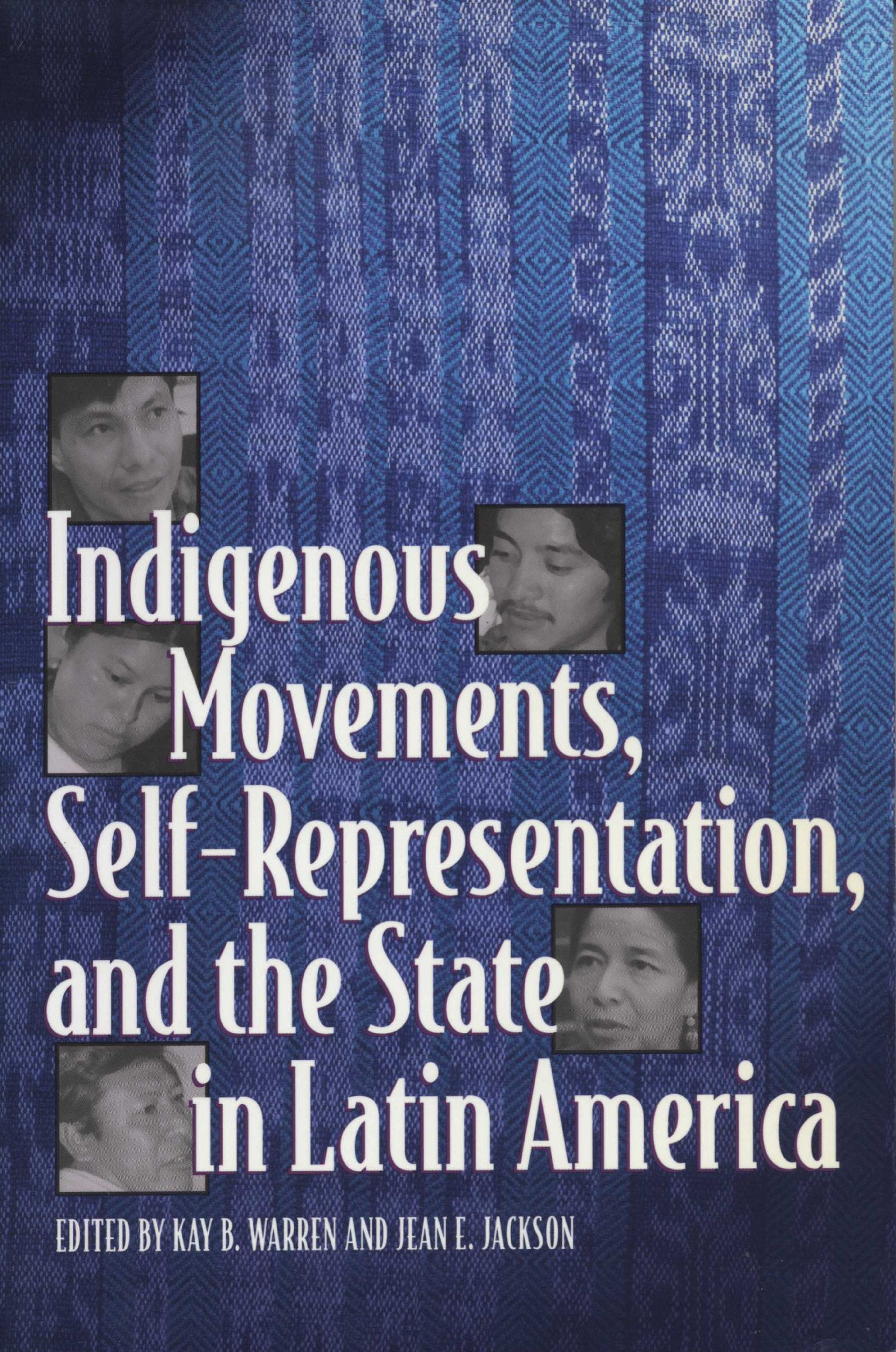
Indigenous Movements, SelfRepresentation, and the State in Latin America,Used
Sold by Ergodebooks, an authorized reseller.
Returns accepted within 30 days | support@ergodebooks.com
Shipping Information
- Free Standard Shipping — United States only
- Processing Time: 3–5 business days
- Estimated Delivery: 6–10 business days after dispatch
- Double-boxed, fully insured & discreetly packaged
- Tracking number sent via email once dispatched
Returns & Refund
Returns accepted within 30 days of delivery.
Damaged or Defective Item
Free return shipping + replacement or full refund
Wrong Item Received
Free return shipping + replacement or full refund
Change of Mind
Return shipping at customer's expense · 25% restocking fee applies
Payment Option

Throughout Latin America, indigenous peoples are responding to state violence and prodemocracy social movements by asserting their rights to a greater measure of cultural autonomy and selfdetermination. This volume's rich case studies of movements in Colombia, Guatemala, and Brazil weigh the degree of success achieved by indigenous leaders in influencing national agendas when governments display highly ambivalent attitudes about strengthening ethnic diversity.The contributors to this volume are leading anthropologists and indigenous activists from the United States and Latin America. They address the double binds of indigenous organizing and 'working within the system' as well as the flexibility of political tactics used to achieve cultural goals outside the scope of state politics. The contributors answer questions about who speaks for indigenous communities, how indigenous movements relate to the popular left, and how conflicts between the national indigenous leadership and local communities play out in specific cultural and political contexts. The volume sheds new light on the realities of asymmetrical power relations and on the ways in which indigenous communities and their representatives employ Western constructions of subjectivity, alterity, and authentic versus counterfeit identity, as well as how they manipulate bureaucratic structures, international organizations, and the mass media to advance goals that involve distinctive visions of an indigenous future.
⚠️ WARNING (California Proposition 65):
This product may contain chemicals known to the State of California to cause cancer, birth defects, or other reproductive harm.
For more information, please visit www.P65Warnings.ca.gov.
- Q: What is the main focus of the book 'Indigenous Movements, Self-Representation, and the State in Latin America'? A: The book focuses on how indigenous peoples in Latin America are responding to state violence and asserting their rights to cultural autonomy and self-determination, while exploring their influence on national agendas.
- Q: Who are the contributors to this volume? A: The contributors include leading anthropologists and indigenous activists from the United States and Latin America, providing a diverse range of perspectives on indigenous movements.
- Q: What kind of case studies are included in the book? A: The book features rich case studies of indigenous movements in Colombia, Guatemala, and Brazil, analyzing their successes and challenges in influencing governmental policies.
- Q: What are some key themes discussed in the book? A: Key themes include indigenous organizing, the relationship between indigenous movements and the popular left, and the dynamics between national leadership and local communities.
- Q: What is the publication date and edition of this book? A: The book was published on January 1, 2003, and it is the first edition.
- Q: What is the format and condition of the book? A: The book is available in paperback format and is in new condition.
- Q: How many pages does the book have? A: The book consists of 304 pages.
- Q: What category does this book fall under? A: This book is categorized under Non-US Legal Systems.
- Q: Is there any specific audience for this book? A: The book is aimed at readers interested in indigenous rights, anthropology, and the socio-political dynamics of Latin America.
- Q: Does the book address the role of media in indigenous movements? A: Yes, the book discusses how indigenous communities use mass media and international organizations to advance their cultural goals and influence public perception.