If you have any questions, you are always welcome to contact us. We'll get back to you as soon as possible, withing 24 hours on weekdays.
Customer service
All questions about your order, return and delivery must be sent to our customer service team by e-mail at yourstore@yourdomain.com
Sale & Press
If you are interested in selling our products, need more information about our brand or wish to make a collaboration, please contact us at press@yourdomain.com
Help
If you have any questions, you are always welcome to contact us. We'll get back to you as soon as possible, withing 24 hours on weekdays.
Customer service
All questions about your order, return and delivery must be sent to our customer service team by e-mail at yourstore@yourdomain.com
Sale & Press
If you are interested in selling our products, need more information about our brand or wish to make a collaboration, please contact us at press@yourdomain.com
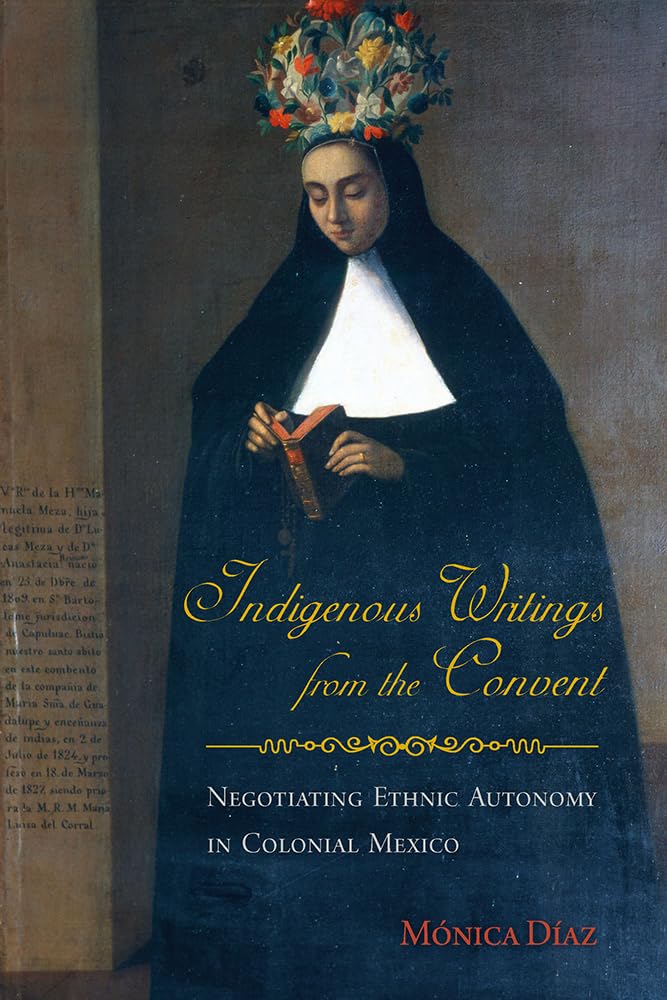
Sometime in the 1740s, Sor Mara Magdalena, an indigenous noblewoman living in one of only three convents in New Spain that allowed Indians to profess as nuns, sent a letter to Father Juan de Altamirano to ask for his help in getting church prelates to exclude Creole and Spanish women from convents intended for indigenous nuns only. Drawing on this and other such lettersas well as biographies, sermons, and other textsMnica Daz argues that the survival of indigenous ethnic identity was effectively served by this class of noble indigenous nuns.While colonial sources that refer to indigenous women are not scant, documents in which women emerge as agents who actively participate in shaping their own identity are rare. Looking at this minority agencyor subaltern voicein various religious discourses exposes some central themes. It shows that an indigenous identity recast in Catholic terms was able to be effectively recorded and that the religious participation of these women at a time when indigenous parishes were increasingly secularized lent cohesion to that identity.Indigenous Writings from the Convent examines ways in which indigenous women participated in one of the most prominent institutions in colonial timesthe Catholic Churchand what they made of their experience with convent life. This book will appeal to scholars of literary criticism, womens studies, and colonial history, and to anyone interested in the ways that class, race, and gender intersected in the colonial world.
⚠️ WARNING (California Proposition 65):
This product may contain chemicals known to the State of California to cause cancer,
birth defects, or other reproductive harm.
For MAP (Minimum Advertised Price) violations and Intellectual Property (IP) or Trademark concerns, please contact:
support@ergodebooks.com
⚠️ California Proposition 65 Warning: Some products sold on this website may expose you to chemicals known to the State of California to cause cancer, birth defects, or other reproductive harm. For more information, visit www.P65Warnings.ca.gov.