
Title
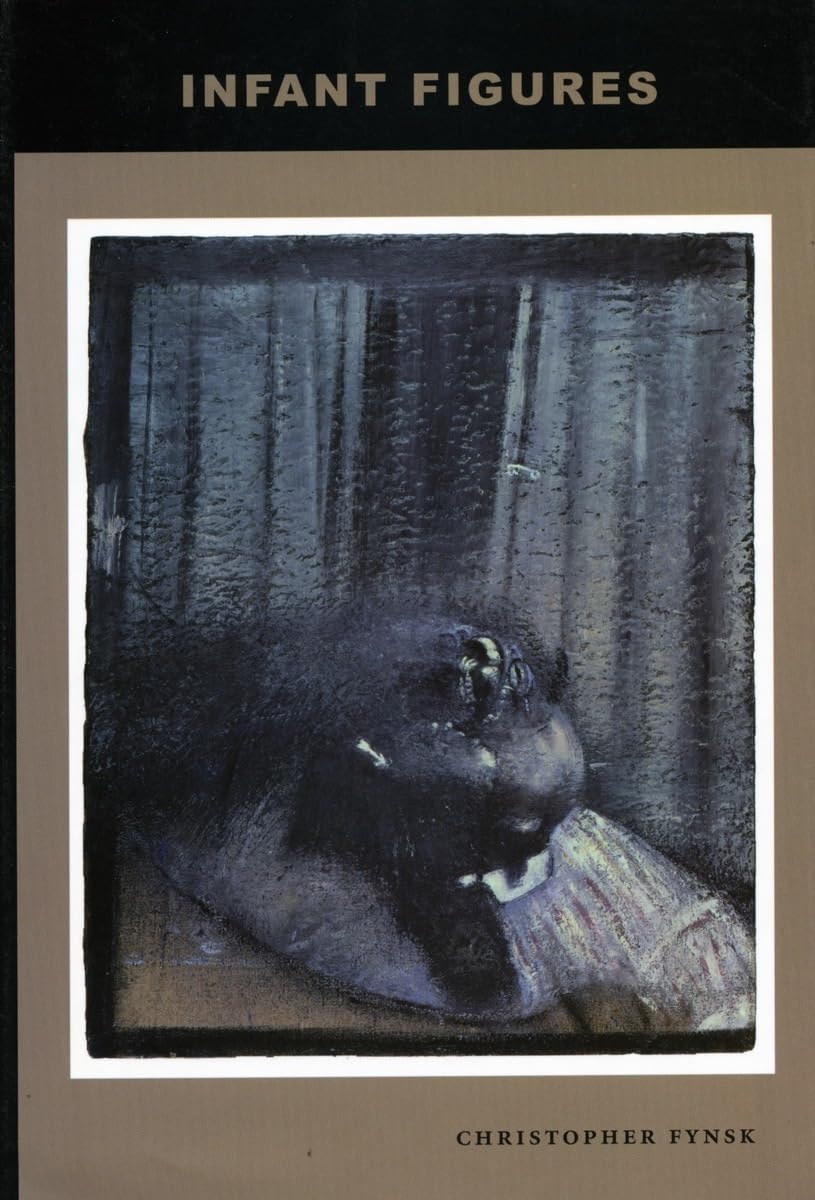
Infant Figures: The Death Of The Infans And Other Scenes Of Origin,Used
Sold by Ergodebooks, an authorized reseller.
Returns accepted within 30 days | support@ergodebooks.com
Shipping Information
- Free Standard Shipping — United States only
- Processing Time: 3–5 business days
- Estimated Delivery: 6–10 business days after dispatch
- Double-boxed, fully insured & discreetly packaged
- Tracking number sent via email once dispatched
Returns & Refund
Returns accepted within 30 days of delivery.
Damaged or Defective Item
Free return shipping + replacement or full refund
Wrong Item Received
Free return shipping + replacement or full refund
Change of Mind
Return shipping at customer's expense · 25% restocking fee applies
Payment Option

This volume juxtaposes philosophical and psychoanalytic speculation with literary and artistic commentary in order to approach a set of questions concerning the human relation to language, a relation that cannot be taken as an 'object' of critical or philosophical reflection in the traditional manner. Exploring the exigencies of figuring this relation at the limits of language, the multifold writing of this volume takes the form of a 'triptych' (following the model of works by Francis Bacon) rather than that of a thesis. The central (and organizing) section of the volume contains an extended dialogue on two textual passages portraying versions of what the author describes as 'the death of the infans.' With the strange resonance of the 'primal' or the 'originary,' these two scenes from works by Maurice Blanchot and Jacques Lacan invite a reflection on the mortal exposure that marks the human share in the advent of language, an exposure whose figuration is necessary to any speech or conscious life. The dialogue explores the ethical and philosophical issues that surface in a practice of writing (a 'pragmatics') that engages this necessary figuration, and thus the limits of language. The latter issues are also explored in a brief essay on Antigone that concludes the dialogical fiction. The first and third parts of the volume's triptych address artistic projects that realize in their respective ways a pragmatics like that of the central section. The first part focuses on the work of Francis Bacon, taking the motif of crucifixion as a path toward understanding his violent realism. This essay is prefaced by a consideration of the notion of cruelty to which Nietzsche appeals in The Genealogy of Morals. The third part, which juxtaposes a dialogue with a critical essay, concerns the work of Salvatore Puglia. Through Bacon and Puglia, the author seeks another approach to a figural imperative at the limits of language.
⚠️ WARNING (California Proposition 65):
This product may contain chemicals known to the State of California to cause cancer, birth defects, or other reproductive harm.
For more information, please visit www.P65Warnings.ca.gov.