If you have any questions, you are always welcome to contact us. We'll get back to you as soon as possible, withing 24 hours on weekdays.
Customer service
All questions about your order, return and delivery must be sent to our customer service team by e-mail at yourstore@yourdomain.com
Sale & Press
If you are interested in selling our products, need more information about our brand or wish to make a collaboration, please contact us at press@yourdomain.com
Help
If you have any questions, you are always welcome to contact us. We'll get back to you as soon as possible, withing 24 hours on weekdays.
Customer service
All questions about your order, return and delivery must be sent to our customer service team by e-mail at yourstore@yourdomain.com
Sale & Press
If you are interested in selling our products, need more information about our brand or wish to make a collaboration, please contact us at press@yourdomain.com
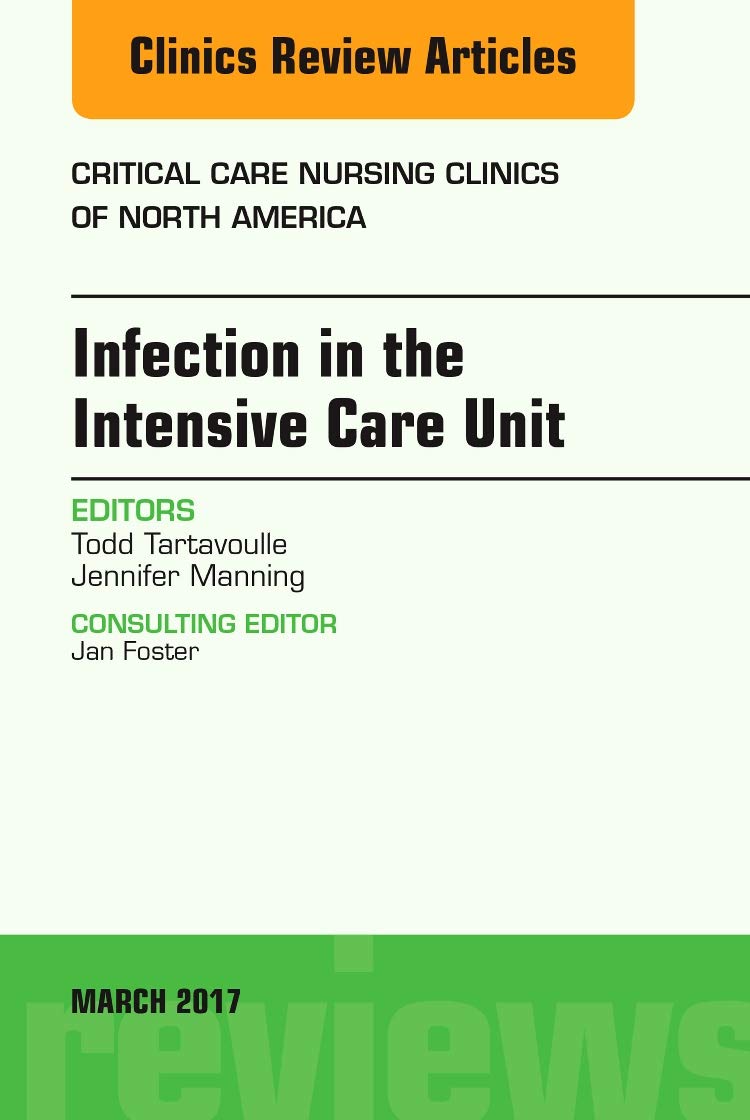
Critical care units are highrisk areas which contribute to increased health care costs and increased patient morbidity and mortality. Patients in critical care units are commonly confronted with existing and the potential to develop infections. Critical care practitioners play a crucial role as initial providers to critically ill patients with infections through the delivery of timely and appropriate therapies aimed to prevent and treat patient infections. The responsibility of critical care practitioners include prudent delivery of care to treat current infections as well as ensuring the delivery of care does not increase the development of new infections. Aggressive infection control measures are needed to reduce infections in critical care settings. Dissemination of scholarly work on the topic of infection in critically ill patients can play a role in improving patient outcomes. The information provided on infections in this issue of Critical Care Nursing Clinics promotes the dissemination of current literature on a series of timely and relevant infection topics in critical care environments.
⚠️ WARNING (California Proposition 65):
This product may contain chemicals known to the State of California to cause cancer,
birth defects, or other reproductive harm.
For MAP (Minimum Advertised Price) violations and Intellectual Property (IP) or Trademark concerns, please contact:
support@ergodebooks.com
⚠️ California Proposition 65 Warning: Some products sold on this website may expose you to chemicals known to the State of California to cause cancer, birth defects, or other reproductive harm. For more information, visit www.P65Warnings.ca.gov.