
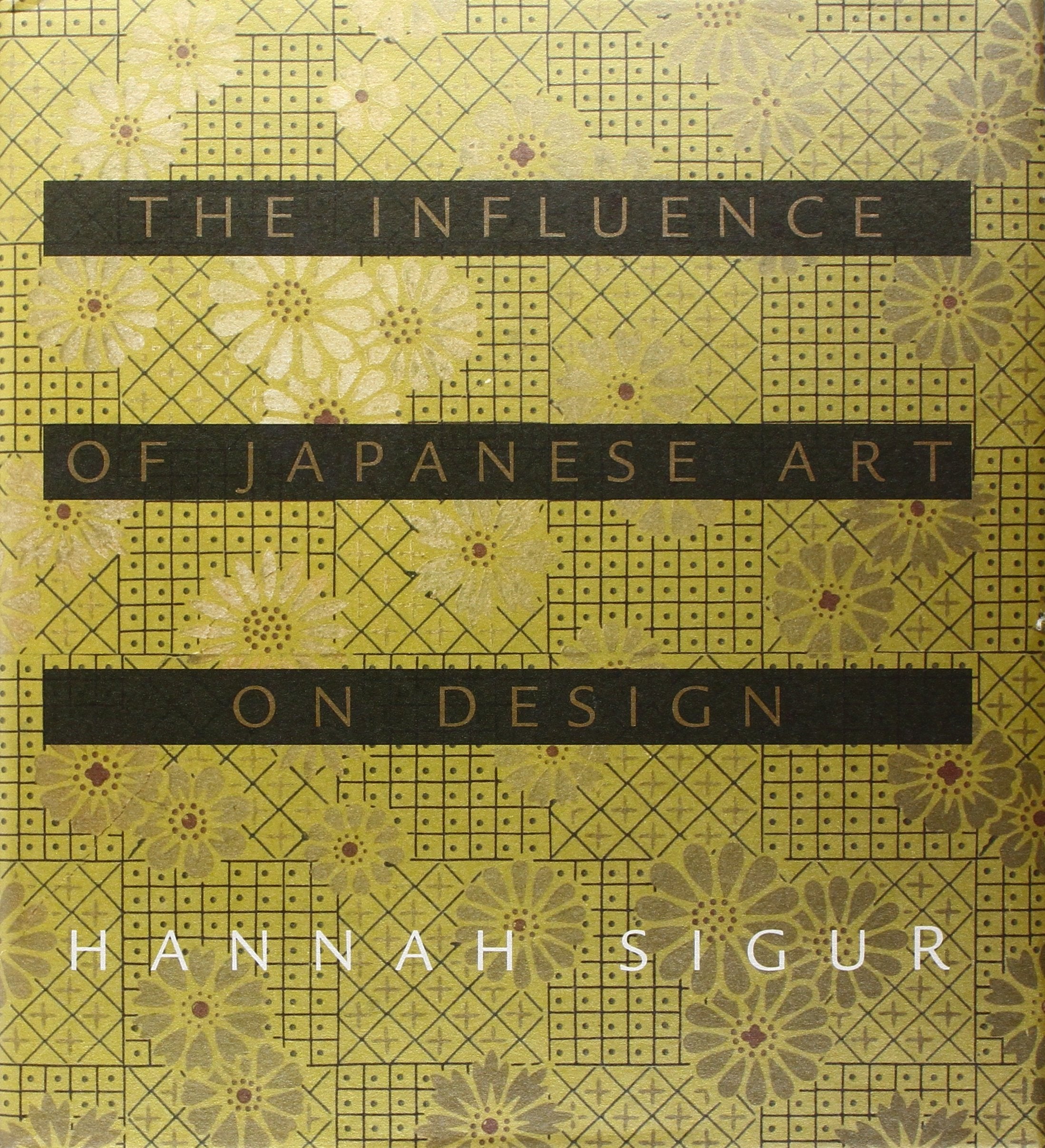
Title
Influence of Japanese Art on Design,Used
Sold by Ergodebooks, an authorized reseller.
Returns accepted within 30 days | support@ergodebooks.com
Shipping Information
- Free Standard Shipping — United States only
- Processing Time: 3–5 business days
- Estimated Delivery: 6–10 business days after dispatch
- Double-boxed, fully insured & discreetly packaged
- Tracking number sent via email once dispatched
Returns & Refund
Returns accepted within 30 days of delivery.
Damaged or Defective Item
Free return shipping + replacement or full refund
Wrong Item Received
Free return shipping + replacement or full refund
Change of Mind
Return shipping at customer's expense · 25% restocking fee applies
Payment Option

During America's Gilded Age (dates), the country was swept by a mania for all things Japanese. It spread from coast to coast, enticed everyone from robber barons to street vendors with its allure, and touched every aspect of life from patent medicines to wallpaper. Americans of the time found in Japanese art every design language: modernism or tradition, abstraction or realism, technical virtuosity or unfettered naturalism, craft or art, romance or functionalism. The art of Japan had a huge influence on American art and design. Title compares juxtapositions of American glass, silver and metal arts, ceramics, textiles, furniture, jewelry, advertising, and packaging with a spectrum of Japanese material ranging from expensive oneofakind art crafts to massproduced ephemera. Beginning in the Aesthetic movement, this book continues through the Arts & Crafts era and ends in Frank Lloyd Wright's vision, showing the reader how that model became transformed from Japanese to American in design and concept.Hannah Sigur is an art historian, writer, and editor with eight years' residence and study in East and Southeast Asia. She has a master's degree from the Institute of Fine Arts, New York University, and is completing a PhD in the arts of Japan. Her writings include coauthoring A Master Guide to the Art of Floral Design (Timber Press, 2002), which is listed in 'The Best Books of 2002' by The Christian Science Monitor and is now in its second edition; and 'The Golden Ideal: Chinese Landscape Themes in Japanese Art,' in Lotus Leaves, A Master Guide to the Art of Floral Design (2001). She lives in Berkeley.
⚠️ WARNING (California Proposition 65):
This product may contain chemicals known to the State of California to cause cancer, birth defects, or other reproductive harm.
For more information, please visit www.P65Warnings.ca.gov.
- Q: What is the size of the book? A: The book measures nine inches in length, ten inches in height, and zero point nine eight inches in width. It has a hardcover binding, making it durable for frequent use.
- Q: How many pages does this book contain? A: This book contains two hundred twenty-four pages. It provides a comprehensive exploration of the influence of Japanese art on American design.
- Q: What is the binding type of the book? A: The book is bound in hardcover. This ensures longevity and protection for the pages inside.
- Q: Who is the author of this book? A: The author of the book is Hannah Sigur. She is an art historian with expertise in Japanese art and design.
- Q: What is the genre of this book? A: The book falls under the genre of Decorative Arts and Design. It explores historical influences and artistic movements.
- Q: Is this book suitable for beginners in art history? A: Yes, this book is suitable for beginners. It provides clear insights into the connections between Japanese art and American design.
- Q: How should I read this book for maximum enjoyment? A: To enjoy this book fully, read it in a quiet space and take your time to absorb the visual comparisons presented. Consider keeping a notebook for your thoughts.
- Q: Is this book appropriate for all ages? A: Yes, the book is appropriate for all ages. It discusses art and design without any mature content, making it suitable for educational purposes.
- Q: How do I care for this book? A: To care for the book, keep it in a dry place away from direct sunlight. Avoid bending the spine, and use a soft cloth to remove dust.
- Q: What is the best way to store this book? A: Store the book upright on a shelf, ensuring it is not crammed between other books. This prevents damage to the cover and pages.
- Q: Can I return this book if I am not satisfied? A: Yes, you can return the book if you are not satisfied. Check the retailer's return policy for specific details.
- Q: What should I do if the book arrives damaged? A: If the book arrives damaged, contact the seller immediately for a replacement or refund. Keep all original packaging for reference.
- Q: Is there a warranty for this book? A: No, books typically do not come with a warranty. However, some retailers may offer guarantees on satisfaction.
- Q: How can I find more books like this one? A: To find more books like this one, search under Decorative Arts and Design or explore titles by Hannah Sigur. Libraries and bookstores often have similar recommendations.
- Q: Is there an online version of this book available? A: No, this book is available in print only. It is best enjoyed in its physical form to appreciate the visual elements fully.
- Q: Does this book contain illustrations? A: Yes, the book contains illustrations that showcase the artistic connections between Japanese and American design. These visuals enhance the reading experience.