
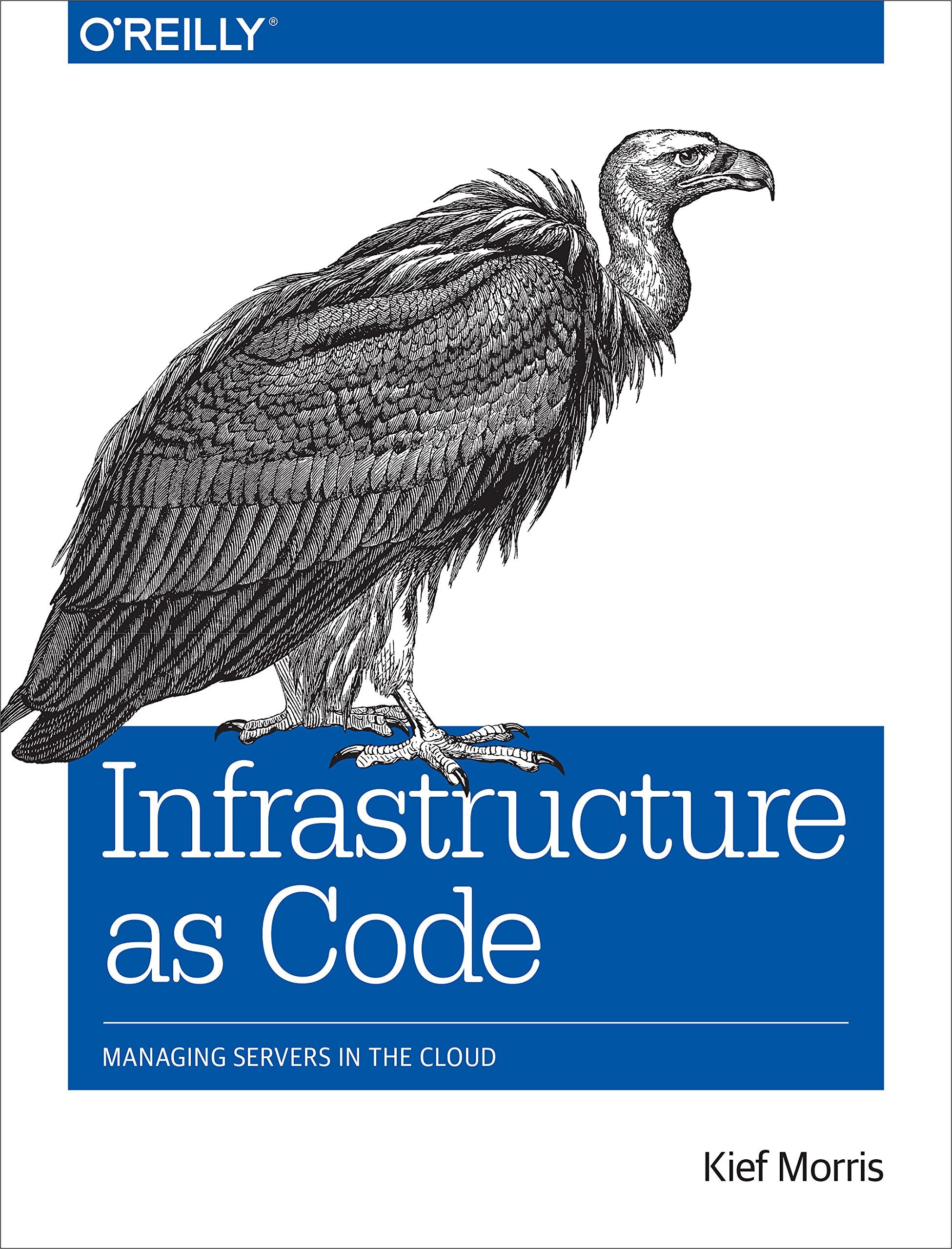
Title
Infrastructure As Code: Managing Servers in the Cloud,New
Sold by Ergodebooks, an authorized reseller.
Returns accepted within 30 days | support@ergodebooks.com
Shipping Information
- Free Standard Shipping — United States only
- Processing Time: 3–5 business days
- Estimated Delivery: 6–10 business days after dispatch
- Double-boxed, fully insured & discreetly packaged
- Tracking number sent via email once dispatched
Returns & Refund
Returns accepted within 30 days of delivery.
Damaged or Defective Item
Free return shipping + replacement or full refund
Wrong Item Received
Free return shipping + replacement or full refund
Change of Mind
Return shipping at customer's expense · 25% restocking fee applies
Payment Option

Virtualization, cloud, containers, server automation, and softwaredefined networking are meant to simplify IT operations. But many organizations adopting these technologies have found that it only leads to a fastergrowing sprawl of unmanageable systems. This is where infrastructure as code can help. With this practical guide, author Kief Morris of ThoughtWorks shows you how to effectively use principles, practices, and patterns pioneered through the DevOps movement to manage cloud age infrastructure.Ideal for system administrators, infrastructure engineers, team leads, and architects, this book demonstrates various tools, techniques, and patterns you can use to implement infrastructure as code. In three parts, you??ll learn about the platforms and tooling involved in creating and configuring infrastructure elements, patterns for using these tools, and practices for making infrastructure as code work in your environment. Examine the pitfalls that organizations fall into when adopting the new generation of infrastructure technologies Understand the capabilities and service models of dynamic infrastructure platforms Learn about tools that provide, provision, and configure core infrastructure resources Explore services and tools for managing a dynamic infrastructure Learn specific patterns and practices for provisioning servers, building server templates, and updating running servers
⚠️ WARNING (California Proposition 65):
This product may contain chemicals known to the State of California to cause cancer, birth defects, or other reproductive harm.
For more information, please visit www.P65Warnings.ca.gov.
- Q: What is the main focus of 'Infrastructure as Code: Managing Servers in the Cloud'? A: The book focuses on using infrastructure as code (IaC) to manage cloud infrastructure effectively, leveraging principles and practices from the DevOps movement.
- Q: Who is the author of this book and what is his background? A: The author is Kief Morris, an experienced professional from ThoughtWorks, specializing in cloud computing and infrastructure automation.
- Q: What topics are covered in the book? A: The book covers virtualization, cloud technologies, server automation, software-defined networking, and best practices for implementing infrastructure as code.
- Q: Is this book suitable for beginners in infrastructure management? A: While the book provides practical guidance, it is ideal for system administrators, infrastructure engineers, team leads, and architects who already have some foundational knowledge.
- Q: How is the book structured? A: The book is divided into three parts that address platforms and tools, patterns for using those tools, and practices for successful implementation of infrastructure as code.
- Q: What is the binding type of this book? A: The book is available in paperback binding.
- Q: When was 'Infrastructure as Code: Managing Servers in the Cloud' published? A: The book was published on June 27, 2016.
- Q: How many pages does the book contain? A: The book contains 362 pages.
- Q: Can this book help in understanding dynamic infrastructure capabilities? A: Yes, it discusses the capabilities and service models of dynamic infrastructure platforms and how to manage them effectively.
- Q: What are some specific practices mentioned in the book? A: The book includes practices for provisioning servers, creating server templates, and updating running servers within a cloud environment.