
Title
Inherent Vice: Bootleg Histories Of Videotape And Copyright,Used
Sold by Ergodebooks, an authorized reseller.
Returns accepted within 30 days | support@ergodebooks.com
Shipping Information
- Free Standard Shipping — United States only
- Processing Time: 3–5 business days
- Estimated Delivery: 6–10 business days after dispatch
- Double-boxed, fully insured & discreetly packaged
- Tracking number sent via email once dispatched
Returns & Refund
Returns accepted within 30 days of delivery.
Damaged or Defective Item
Free return shipping + replacement or full refund
Wrong Item Received
Free return shipping + replacement or full refund
Change of Mind
Return shipping at customer's expense · 25% restocking fee applies
Payment Option

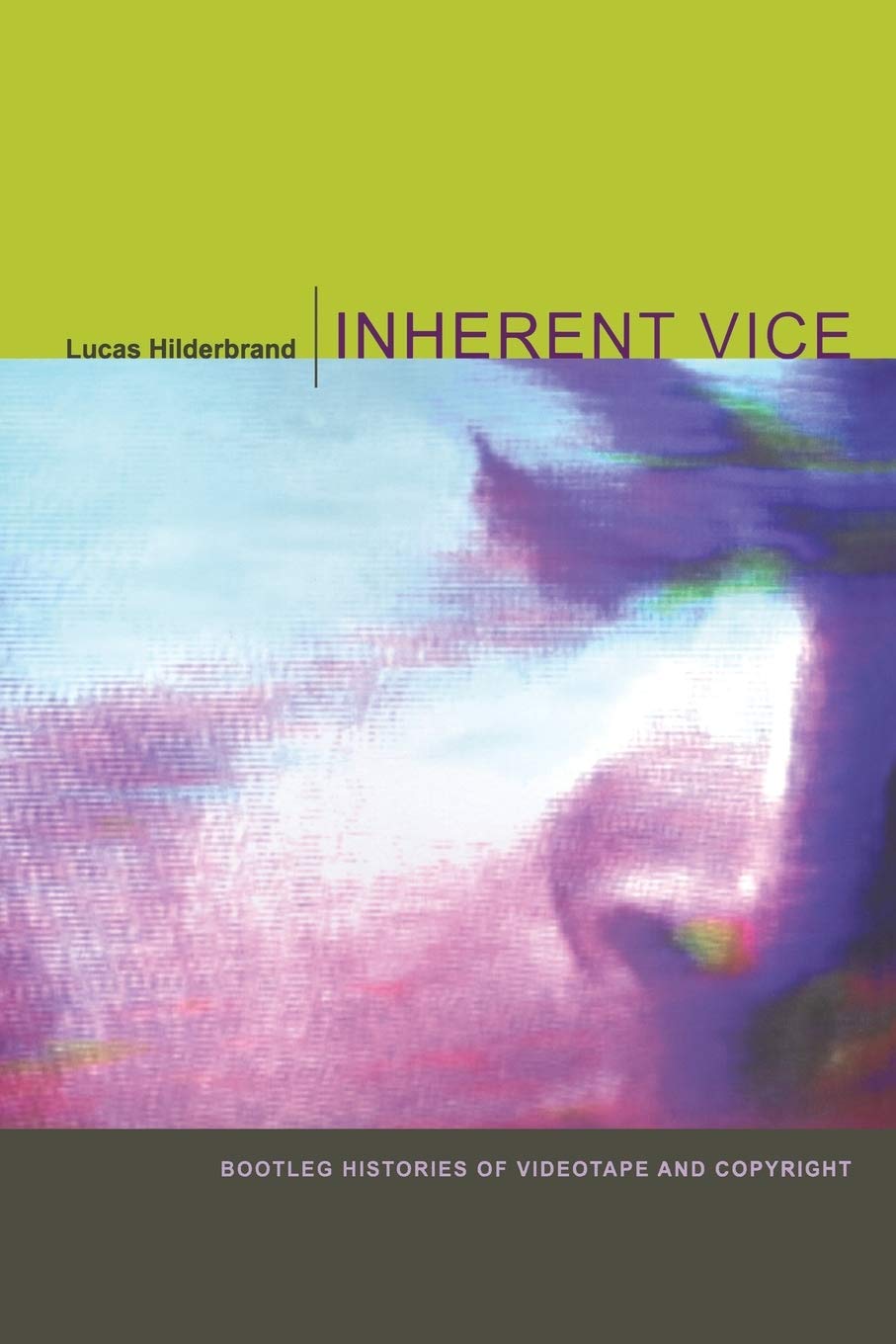
In an age of digital technology and renewed anxiety about media piracy, Inherent Vice revisits the recent analog past with an eyeopening exploration of the aesthetic and legal innovations of home video. Analog videotape was introduced to consumers as a blank format, essentially as a bootleg technology, for recording television without permission. The studios initially resisted VCRs and began legal action to oppose their marketing. In turn, U.S. courts controversially reinterpreted copyright law to protect users right to record, while content owners eventually developed ways to exploit the video market. Lucas Hilderbrand shows how videotape and fair use offer essential lessons relevant to contemporary progressive media policy.Videotape not only radically changed how audiences accessed the content they wanted and loved but also altered how they watched it. Hilderbrand develops an aesthetic theory of analog video, an aesthetics of access most boldly embodied by bootleg videos. He contends that the medium specificity of videotape becomes most apparent through repeated duplication, wear, and technical failure; videos visible and audible degeneration signals its uses for legal transgressions and illicit pleasures. Bringing formal and cultural analysis into dialogue with industrial history and case law, Hilderbrand examines four decades of often overlooked histories of video recording, including the first network news archive, the underground circulation of Superstar: The Karen Carpenter Story, a feminist tapesharing network, and the phenomenally popular website YouTube. This book reveals the creative uses of videotape that have made essential content more accessible and expanded our understanding of copyright law. It is a politically provocative, unabashedly nostalgic ode to analog.
⚠️ WARNING (California Proposition 65):
This product may contain chemicals known to the State of California to cause cancer, birth defects, or other reproductive harm.
For more information, please visit www.P65Warnings.ca.gov.