
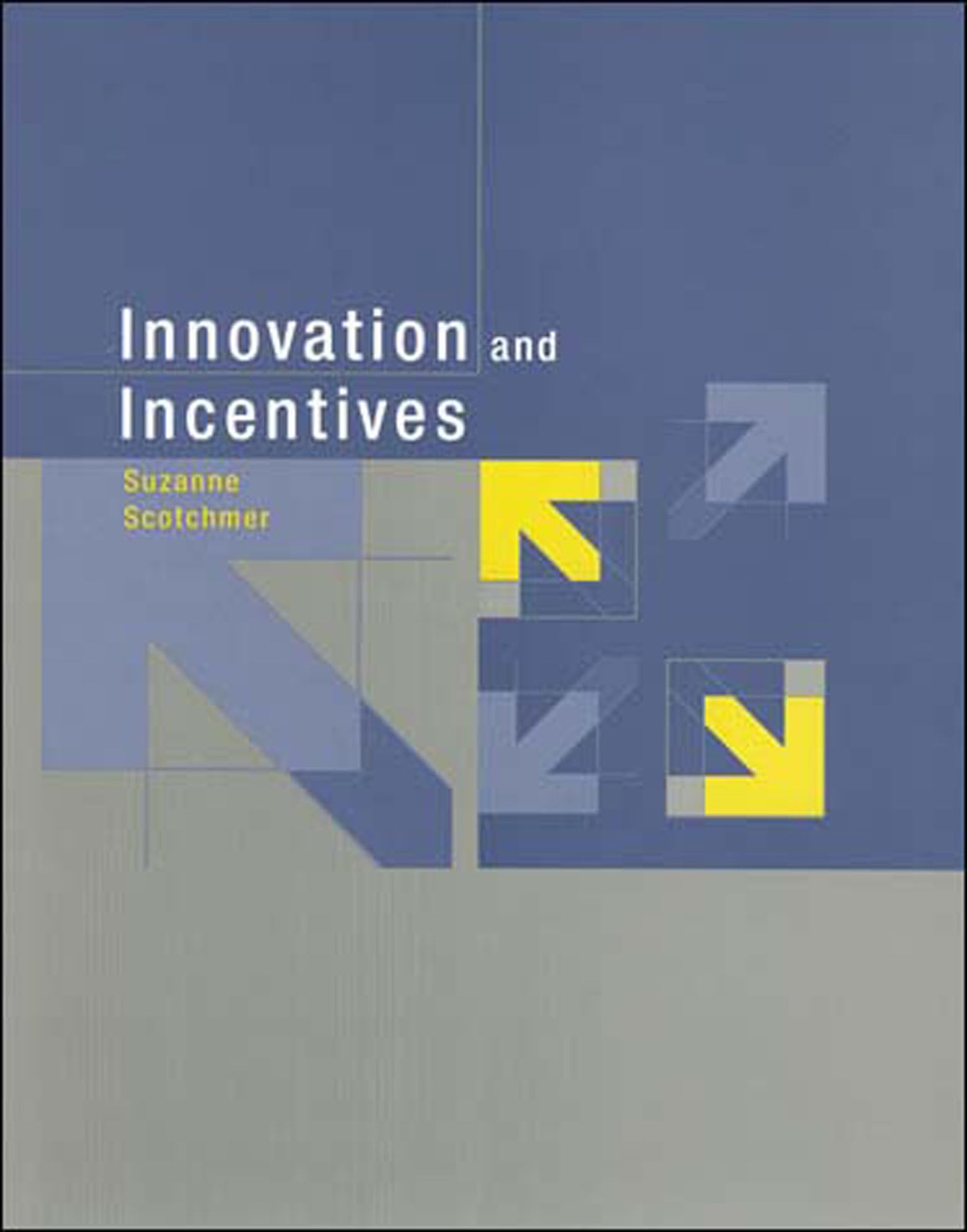
Title
Innovation and Incentives (Mit Press),Used
Sold by Ergodebooks, an authorized reseller.
Returns accepted within 30 days | support@ergodebooks.com
Shipping Information
- Free Standard Shipping — United States only
- Processing Time: 3–5 business days
- Estimated Delivery: 6–10 business days after dispatch
- Double-boxed, fully insured & discreetly packaged
- Tracking number sent via email once dispatched
Returns & Refund
Returns accepted within 30 days of delivery.
Damaged or Defective Item
Free return shipping + replacement or full refund
Wrong Item Received
Free return shipping + replacement or full refund
Change of Mind
Return shipping at customer's expense · 25% restocking fee applies
Payment Option

Interest in intellectual property and other institutions that promote innovation exploded during the 1990s. Innovation and Incentives provides a clear and wideranging introduction to the economics of innovation, suitable for teaching at both the advanced undergraduate and graduate levels. It will also be useful to legal and economics professionals. Written by an expert on intellectual property and industrial organization, the book achieves a balanced mix of institutional details, examples, and theory. Analytical, empirical, or institutional factors can be given different emphases at different levels of study.Innovation and Incentives presents the historical, legal, and institutional contexts in which innovation takes place. After a historical overview of the institutions that support innovation, ranging from ancient history through today's government funding and hybrid institutions, the book discusses knowledge as a public good, the economic design of intellectual property, different models of cumulative innovation, the relation of competition to licensing and joint ventures, patent and copyright enforcement and litigation, private/public funding relationships, patent values and the return on R&D investment, intellectual property issues arising from direct and indirect network externalities, and globalization. The text presents technical and abstract analysis and at the same time sheds light on current controversies and policyrelevant topics, including the difficulty of enforcing copyright in the digital age and international protection of intellectual property.
⚠️ WARNING (California Proposition 65):
This product may contain chemicals known to the State of California to cause cancer, birth defects, or other reproductive harm.
For more information, please visit www.P65Warnings.ca.gov.
- Q: What is the main focus of 'Innovation and Incentives'? A: 'Innovation and Incentives' primarily explores the economics of innovation, discussing the role of intellectual property and various institutions that foster innovation.
- Q: Who is the author of this book? A: The book is authored by Suzanne Scotchmer, an expert in intellectual property and industrial organization.
- Q: What is the publication date of 'Innovation and Incentives'? A: 'Innovation and Incentives' was published on August 11, 2006.
- Q: How many pages does this book contain? A: The book contains a total of 376 pages.
- Q: Is 'Innovation and Incentives' suitable for beginners? A: Yes, the book provides a clear introduction to the economics of innovation, making it suitable for advanced undergraduate and graduate levels.
- Q: What topics does the book cover? A: The book covers a range of topics including the history of innovation institutions, economic design of intellectual property, competition, licensing, patent enforcement, and globalization.
- Q: What type of binding does the book have? A: 'Innovation and Incentives' is available in paperback binding.
- Q: Is this book useful for legal professionals? A: Yes, the book is also beneficial for legal and economics professionals, providing insights into intellectual property issues.
- Q: What can I expect from the writing style of the book? A: The writing combines analytical and empirical approaches, mixing theory with practical examples and institutional details.
- Q: Does the book discuss current controversies in intellectual property? A: Yes, it addresses contemporary issues such as copyright enforcement in the digital age and international intellectual property protection.