
Title
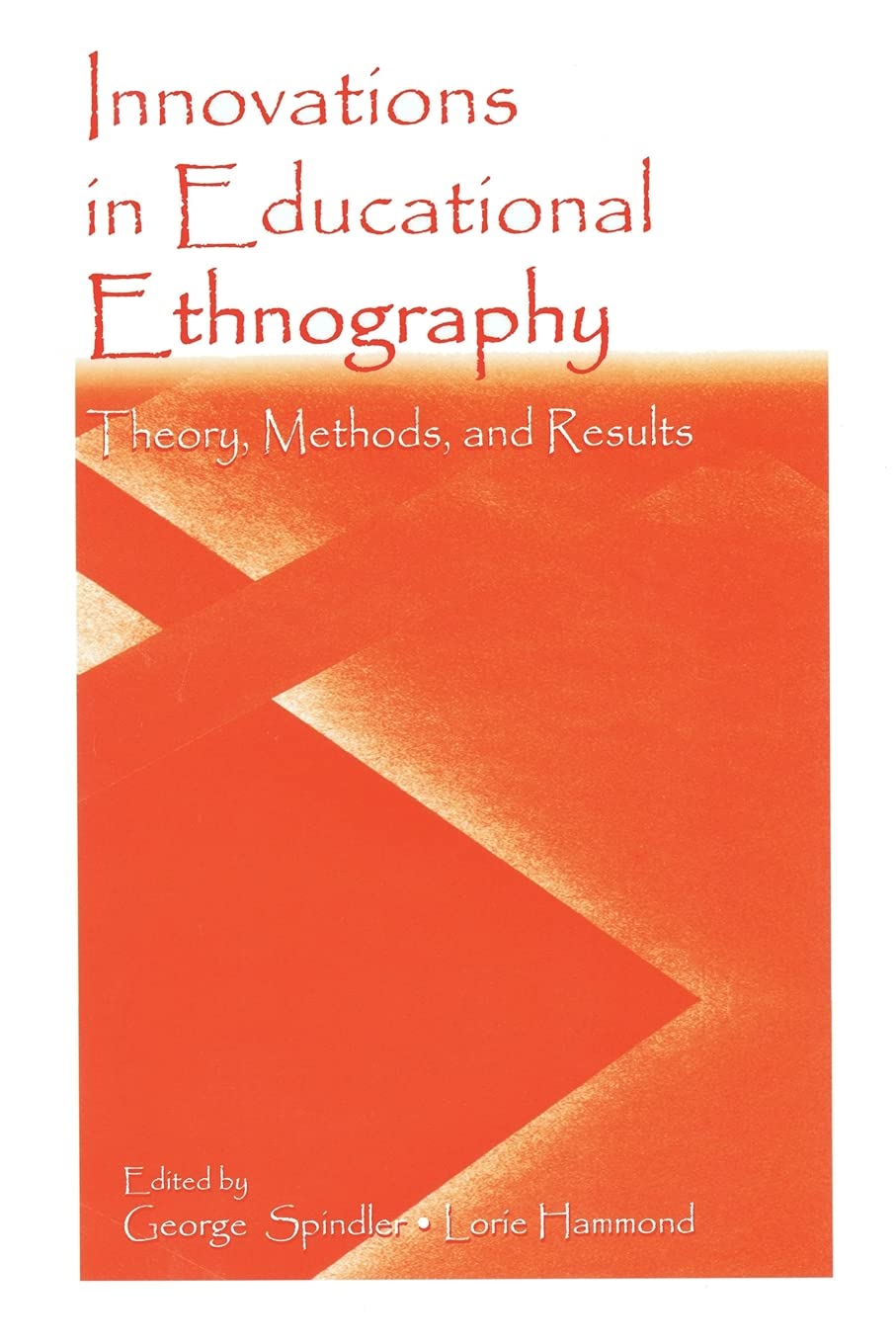
Innovations In Educational Ethnography: Theories, Methods, And Results,Used
Sold by Ergodebooks, an authorized reseller.
Returns accepted within 30 days | support@ergodebooks.com
Shipping Information
- Free Standard Shipping — United States only
- Processing Time: 3–5 business days
- Estimated Delivery: 6–10 business days after dispatch
- Double-boxed, fully insured & discreetly packaged
- Tracking number sent via email once dispatched
Returns & Refund
Returns accepted within 30 days of delivery.
Damaged or Defective Item
Free return shipping + replacement or full refund
Wrong Item Received
Free return shipping + replacement or full refund
Change of Mind
Return shipping at customer's expense · 25% restocking fee applies
Payment Option

This volume focuses on and exemplifies how ethnographya research tool devoted to looking at human interaction as a cultural process rather than individual psychologycan shed light on educational processes framed by the complex, internationalized societies in which we live today. Part I offers theoretical chapters about ethnography and examples of innovative ethnography from particular perspectives. In Part II, the emphasis is on the application of ethnographic approaches to educational settings.Each contribution not only takes the reader on a thoughtful and enlightening journey, but raises issues that are important to both educators and ethnographers, including the relationship of researcher to subject, the meaning of 'participant' in participant observation, and ways to give voice to disenfranchised players, and on the complex ways in which all parties experience identities such as 'race' in the modern world.Innovations in Educational Ethnography: Theory, Methods, and Results is a product of both continuity and change. It presents current writings from mentors in the field of ethnography and education, as well of the work of their students, and of educators engaged in cultural studies of their work. In many ways it provides fresh, new vistas on the old questions that have always guided ethnographic research, and can be used as a survey both of what ethnography has been and what it is becoming.This book is the work of many hands, and provides excellent examples of trends in both basic and applied ethnography of education. These two kinds of work augment and reinforce each other, and also represent important current research directionsindepth reflection on the process of ethnography itself, and an application of its insights to teaching and learning in schools, universities, and communities. No one philosophy guides the contributions to this volume, nor were they chosen as exemplary of a particular approach, yet foundational understandings and principles of ethnography shine through the work, in both predictable and unexpected ways.
⚠️ WARNING (California Proposition 65):
This product may contain chemicals known to the State of California to cause cancer, birth defects, or other reproductive harm.
For more information, please visit www.P65Warnings.ca.gov.