
Title
Insectfungal Associations: Ecology And Evolution
Sold by Ergodebooks, an authorized reseller.
Returns accepted within 30 days | support@ergodebooks.com
Shipping Information
- Free Standard Shipping — United States only
- Processing Time: 3–5 business days
- Estimated Delivery: 6–10 business days after dispatch
- Double-boxed, fully insured & discreetly packaged
- Tracking number sent via email once dispatched
Returns & Refund
Returns accepted within 30 days of delivery.
Damaged or Defective Item
Free return shipping + replacement or full refund
Wrong Item Received
Free return shipping + replacement or full refund
Change of Mind
Return shipping at customer's expense · 25% restocking fee applies
Payment Option

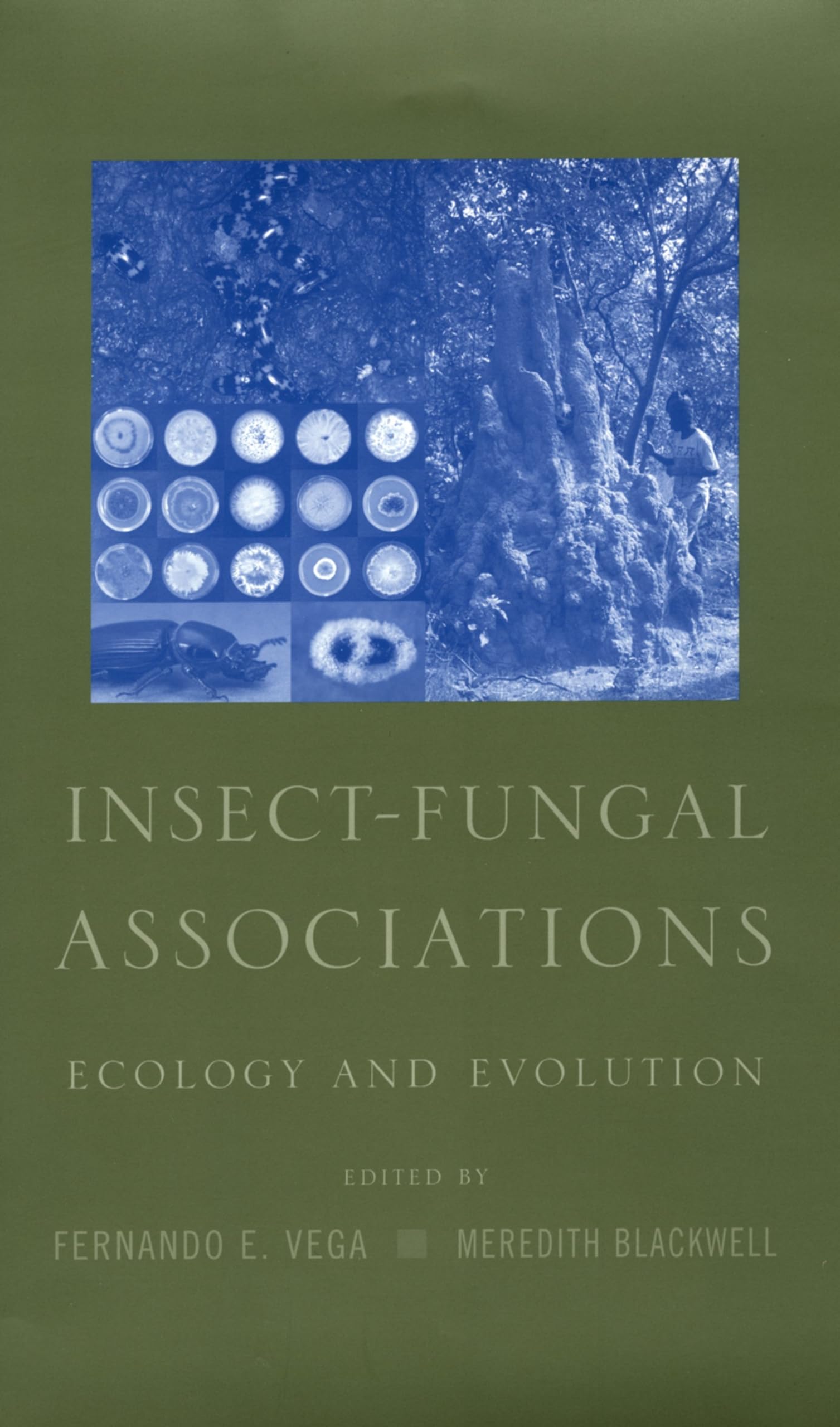
Insects and fungi have a shared history of association in common habitats where together they endure similar environmental conditions, but only recently have mycologists and entomologists recognized and had the techniques to study the intricacies of some of the associations. This new volume covers 'seven wonders of the insectfungus world' for which exciting new results have become available, often due to the use of new methods that include phylogenetic analysis and development of molecular markers.Eleven chapters of the volume are presented in two sections, 'Fungi that act against insects' and 'Fungi mutualistic with insects' that cover a number of major themes. Examples of necrotrophic parasites of insects are discussed, not only for biological control potential, but also as organisms with population structure and complex multipartite interactions; a beneficial role for symptomless endophytes in broadleafed plants is proposed; biotrophic fungal parasites with reduced morphologies are placed among relatives using phylogenetic methods; complex methods of fungal spore dispersal include interactions with one or more arthropods; the farming behavior of New World attine ants is compared with that of humans and the Old World fungusgrowing termites; certain mycophagous insects use fungi as a sole nutritional resource; and other insects obtain nutritional supplements from yeasts.Insects involved in fungal associations includebut are not limited tomembers of the Coleoptera, Diptera, Homoptera, Hymenoptera, and Isoptera. The fungi involved in interactions with insects may be clustered taxonomically, as is the case for Ascomycetes in the Hypocreales (e.g., Beauveria, Metarhizium, Fusarium), ambrosia fungi in the genera ophiostoma and ceratocystis and their asexual relatives, Laboulbeniomycetes, Saccharomycetes, and the more basal Microsporidia. Other groups, however, have only occasional members (e.g., mushrooms cultivated by attine ants and termites) in such associations. The chapters included in this volume constitute a modern crash course in the study of insectfungus associations.
⚠️ WARNING (California Proposition 65):
This product may contain chemicals known to the State of California to cause cancer, birth defects, or other reproductive harm.
For more information, please visit www.P65Warnings.ca.gov.