
Title
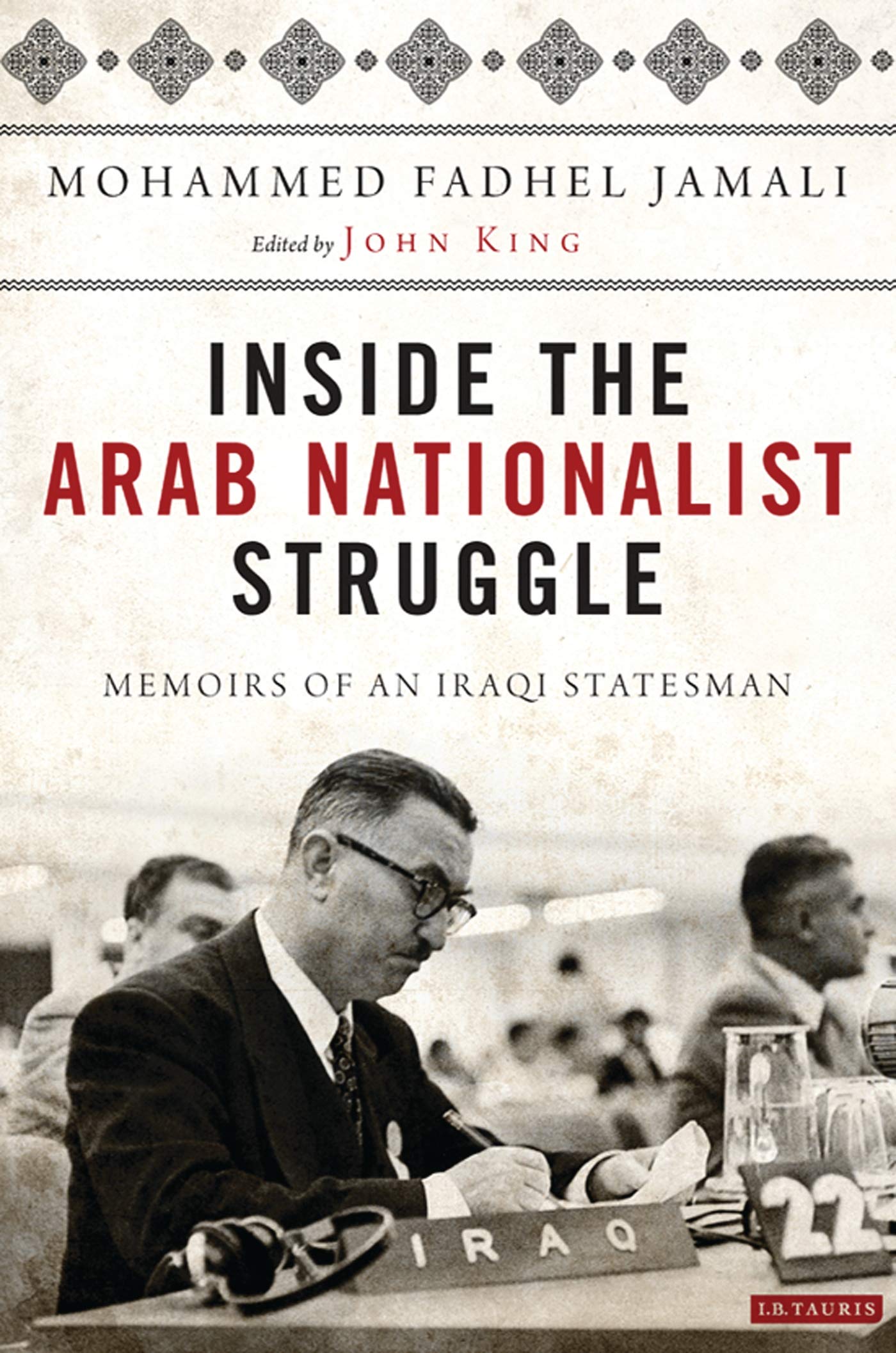
Inside the Arab Nationalist Struggle: Memoirs of an Iraqi Statesman,Used
Sold by Ergodebooks, an authorized reseller.
Returns accepted within 30 days | support@ergodebooks.com
Shipping Information
- Free Standard Shipping — United States only
- Processing Time: 3–5 business days
- Estimated Delivery: 6–10 business days after dispatch
- Double-boxed, fully insured & discreetly packaged
- Tracking number sent via email once dispatched
Returns & Refund
Returns accepted within 30 days of delivery.
Damaged or Defective Item
Free return shipping + replacement or full refund
Wrong Item Received
Free return shipping + replacement or full refund
Change of Mind
Return shipping at customer's expense · 25% restocking fee applies
Payment Option

On 14 July 1958, with the fall of the Hashemite monarchy in Iraq, a chapter of Iraq's history ended. In the wake of this revolution a revolution that eventually brought to power the Ba'ath party of Saddam Hussein the ancien regime of Iraq found itself both persecuted and imprisoned. Mohammed Fadhel Jamali, a former foreign minister and prime minister of Iraq, was no exception. In this remarkable firsthand account of his time in power he reveals the diplomatic wrangling at the heart of the Iraqi monarchist regime, and offers incisive analysis of Iraq's role at both regional and international levels. The Middle East in the 1950s was a time when Egyptian President Gamal Abdul Nasser's panArab nationalism caught the political and intellectual attention of policymakers, politicians and 'the man on the street' alike. Here, Jamali outlines how these ideas were put into practice. But despite the intentions of the idea of panArabism,this postWorld War II era was nonetheless beset with discord and diplomatic difficulties.Inside the Arab Nationalist Struggle thus explores Iraq's relations with other Arab states and the wider Middle East, as well as its policies towards the nascent Israeli state and the newly created Palestine 'problem'. As foreign minister in the years immediately after the end of World War II, Jamali was uniquely placed to give an insight into the formative years of the United Nations. He had participated in the San Francisco Founding Conference of the United Nations and signed the United Nations Charter in the name of Iraq. He also lead the Iraqi delegation at the AsianAfrican Conference at Bandung in April 1955, and was present at many of the negotiations that culminated in the Baghdad Pact, an alliance in which Iraq, Iran and Pakistan had pledged to collaborate with the UK and the US in the Cold War confrontation with the Soviet Union. His recollections and analysis thus function as a vital resource for those trying to understand the roots and development of the Cold War and the ways in which Cold War diplomacy affected the Middle East.
⚠️ WARNING (California Proposition 65):
This product may contain chemicals known to the State of California to cause cancer, birth defects, or other reproductive harm.
For more information, please visit www.P65Warnings.ca.gov.