
Title
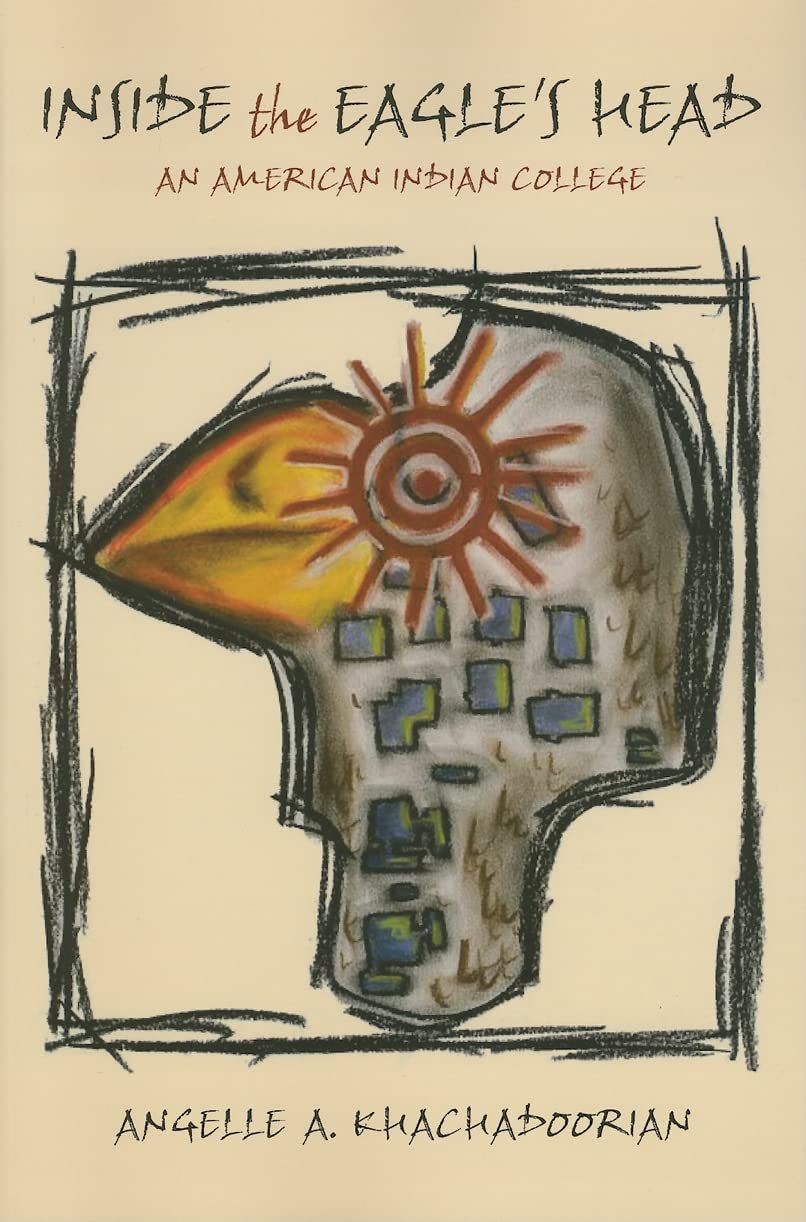
Inside The Eagle'S Head: An American Indian College (Contemporary American Indian Studies),Used
Sold by Ergodebooks, an authorized reseller.
Returns accepted within 30 days | support@ergodebooks.com
Shipping Information
- Free Standard Shipping — United States only
- Processing Time: 3–5 business days
- Estimated Delivery: 6–10 business days after dispatch
- Double-boxed, fully insured & discreetly packaged
- Tracking number sent via email once dispatched
Returns & Refund
Returns accepted within 30 days of delivery.
Damaged or Defective Item
Free return shipping + replacement or full refund
Wrong Item Received
Free return shipping + replacement or full refund
Change of Mind
Return shipping at customer's expense · 25% restocking fee applies
Payment Option

The Southwestern Indian Polytechnic Institute (SIPI) is a selfdescribed National American Indian Community College in Albuquerque, New Mexico. SIPI is operated by the Bureau of Indian Affairs, an agency of the U.S. government that has overseen and managed the relationship between the government and American Indian tribes for almost two hundred years. Students at SIPI are registered members of federally recognized American Indian tribes from throughout the contiguous United States and Alaska.A fascinatingly hybridized institution, SIPI attempts to meld two conflicting institutional modelsa tribally controlled college or university and a Bureau of Indian Affairs Indian schoolwith their unique corporate cultures, rules, and philosophies. Students attempt to cope with the institution and successfully make their way through it by using (consciously or not) an array of metaphorical representations of the school. Students who used discourses of discipline and control compared SIPI to a BIA boarding school, a high school, or a prison, and focused on the schools restrictive policies drawn from the BIA model. Those who used discourses of family and haven emphasized the emotional connection built between students and other members of the SIPI community following the TCU model. Speakers who used discourses of agency and selfreliance asserted that students can define their own experiences at SIPI. Through a series of interviews, this volume examines the ways in which students attempt to accommodate this variety of conflicts and presents an innovative and enlightening look into the contemporary state of American Indian educational institutions.
⚠️ WARNING (California Proposition 65):
This product may contain chemicals known to the State of California to cause cancer, birth defects, or other reproductive harm.
For more information, please visit www.P65Warnings.ca.gov.