If you have any questions, you are always welcome to contact us. We'll get back to you as soon as possible, withing 24 hours on weekdays.
Customer service
All questions about your order, return and delivery must be sent to our customer service team by e-mail at yourstore@yourdomain.com
Sale & Press
If you are interested in selling our products, need more information about our brand or wish to make a collaboration, please contact us at press@yourdomain.com
Help
If you have any questions, you are always welcome to contact us. We'll get back to you as soon as possible, withing 24 hours on weekdays.
Customer service
All questions about your order, return and delivery must be sent to our customer service team by e-mail at yourstore@yourdomain.com
Sale & Press
If you are interested in selling our products, need more information about our brand or wish to make a collaboration, please contact us at press@yourdomain.com
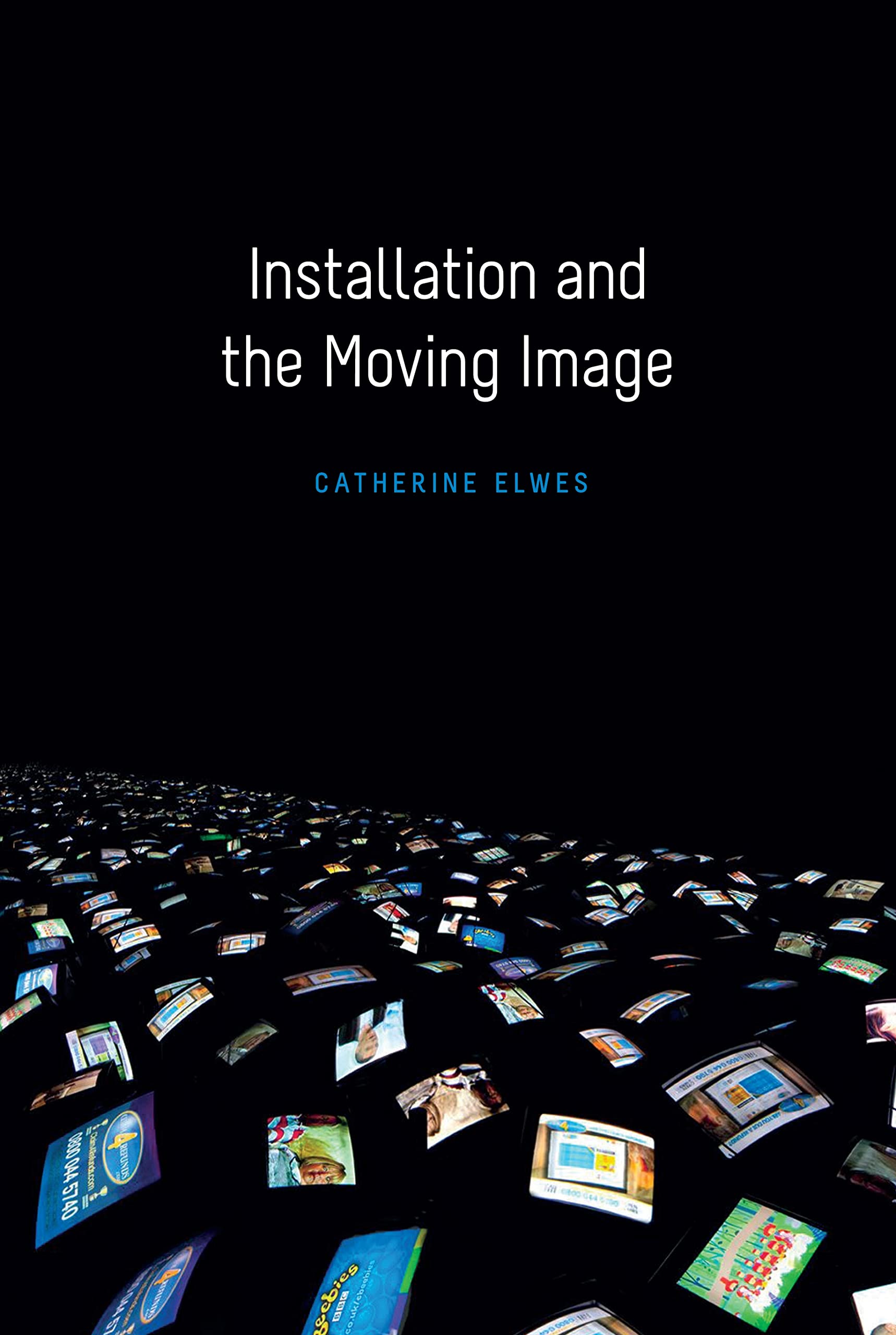
Film and video create an illusory world, a reality elsewhere, and a material presence that both dramatizes and demystifies the magic trick of moving pictures. Beginning in the 1960s, artists have explored filmic and televisual phenomena in the controlled environments of galleries and museums, drawing on multiple antecedents in cinema, television, and the visual arts. This volume traces the lineage of movingimage installation through architecture, painting, sculpture, performance, expanded cinema, film history, and countercultural film and video from the 1960s, 1970s, and 1980s.Sound is given due attention, along with the shift from analogue to digital, issues of spectatorship, and the insights of cognitive science. Woven into this genealogy is a discussion of the procedural, political, theoretical, and ideological positions espoused by artists from the midtwentieth century to the present. Historical constructs such as Peter Gidal's structural materialism, Maya Deren's notion of vertical and horizontal time, and identity politics are reconsidered in a contemporary context and intersect with more recent thinking on representation, subjectivity, and installation art.The book is written by a critic, curator, and practitioner who was a pioneer of British video and feminist art politics in the late 1970s. Elwes writes engagingly of her encounters with works by Anthony McCall, Gillian Wearing, David Hall, and Janet Cardiff, and her narrative is informed by exchanges with other practitioners. While the book addresses the key formal, theoretical, and historical parameters of movingimage installation, it ends with a question: 'What's in it for the artist?'
⚠️ WARNING (California Proposition 65):
This product may contain chemicals known to the State of California to cause cancer,
birth defects, or other reproductive harm.
For MAP (Minimum Advertised Price) violations and Intellectual Property (IP) or Trademark concerns, please contact:
support@ergodebooks.com
⚠️ California Proposition 65 Warning: Some products sold on this website may expose you to chemicals known to the State of California to cause cancer, birth defects, or other reproductive harm. For more information, visit www.P65Warnings.ca.gov.