If you have any questions, you are always welcome to contact us. We'll get back to you as soon as possible, withing 24 hours on weekdays.
Customer service
All questions about your order, return and delivery must be sent to our customer service team by e-mail at yourstore@yourdomain.com
Sale & Press
If you are interested in selling our products, need more information about our brand or wish to make a collaboration, please contact us at press@yourdomain.com
Help
If you have any questions, you are always welcome to contact us. We'll get back to you as soon as possible, withing 24 hours on weekdays.
Customer service
All questions about your order, return and delivery must be sent to our customer service team by e-mail at yourstore@yourdomain.com
Sale & Press
If you are interested in selling our products, need more information about our brand or wish to make a collaboration, please contact us at press@yourdomain.com
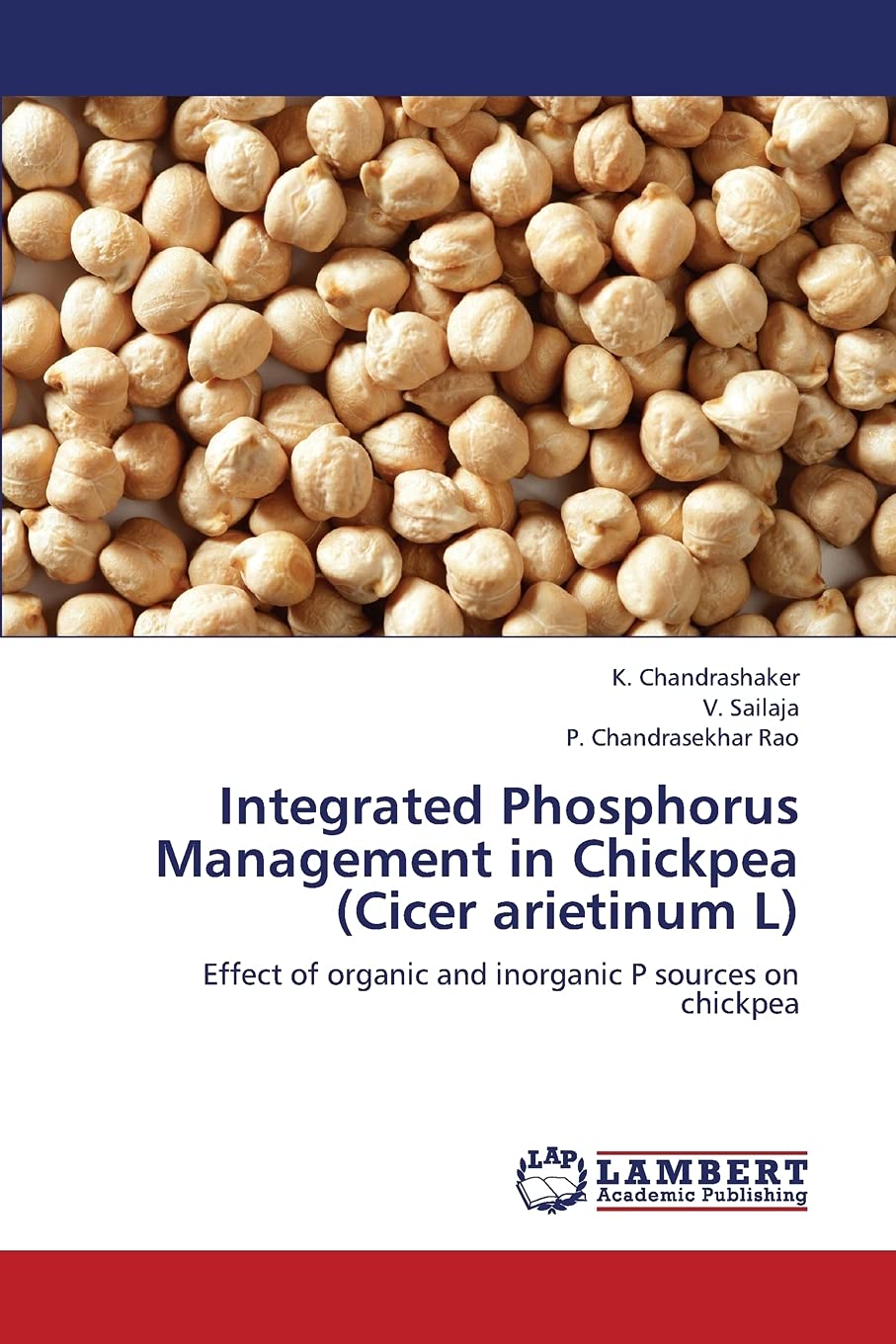
With increasing demand of agricultural production, phosphorus (P) is receiving more attention as an important growth and yield deciding factor especially for the pulses. Crop intensification coupled with adoption of high yielding varieties is aggravating the problem, which can be alleviated by applying large quantities of phosphatic fertilisers. Applications of chemical P fertilizers to agricultural land have improved soil P fertility and crop production, but caused environmental damage in the past decades. Moreover, high cost of phosphatic fertilisers, fixation of major portion of added P into slowly available and/or unavailable forms in soils necessitates exploring other possibilities to increase P availability. To substitute the inorganic P completely by organic manures or biofertilisers is not practically feasible. Hence, the better option would be to integrate the use of inorganic P, organic manures and PSB to modify the rhizosphere of the crops for maximising the yields, use efficiency of P, thereby increasing net returns
⚠️ WARNING (California Proposition 65):
This product may contain chemicals known to the State of California to cause cancer,
birth defects, or other reproductive harm.
For MAP (Minimum Advertised Price) violations and Intellectual Property (IP) or Trademark concerns, please contact:
support@ergodebooks.com
⚠️ California Proposition 65 Warning: Some products sold on this website may expose you to chemicals known to the State of California to cause cancer, birth defects, or other reproductive harm. For more information, visit www.P65Warnings.ca.gov.