If you have any questions, you are always welcome to contact us. We'll get back to you as soon as possible, withing 24 hours on weekdays.
Customer service
All questions about your order, return and delivery must be sent to our customer service team by e-mail at yourstore@yourdomain.com
Sale & Press
If you are interested in selling our products, need more information about our brand or wish to make a collaboration, please contact us at press@yourdomain.com
Help
If you have any questions, you are always welcome to contact us. We'll get back to you as soon as possible, withing 24 hours on weekdays.
Customer service
All questions about your order, return and delivery must be sent to our customer service team by e-mail at yourstore@yourdomain.com
Sale & Press
If you are interested in selling our products, need more information about our brand or wish to make a collaboration, please contact us at press@yourdomain.com
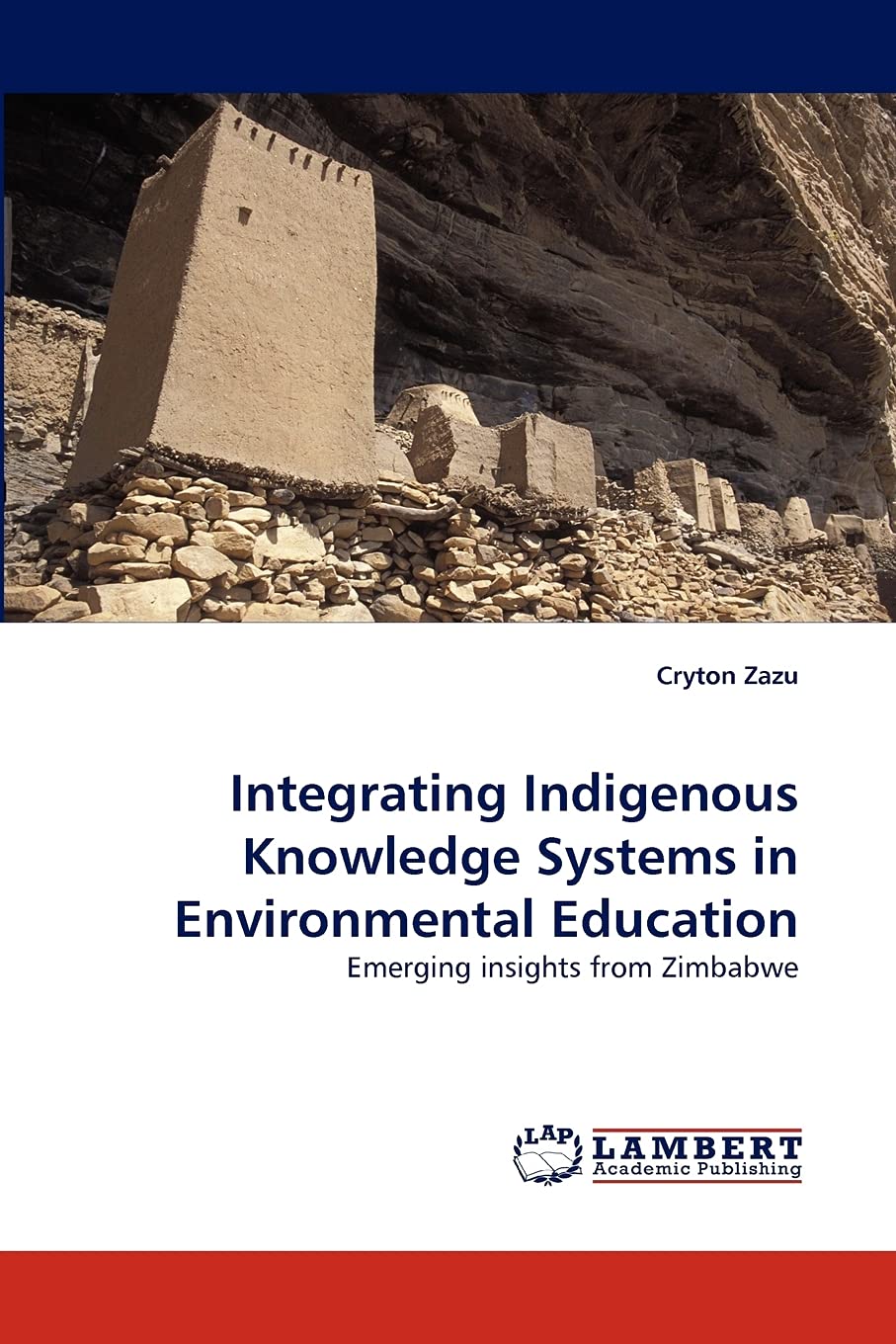
The role and value of indigenous knowledge systems in enhancing and contextualizing education has long been recognized (UNESCO,1978). Against this background a lot of research focusing on the documentation and study of the world?s indigenous knowledge systems, including those of Southern African countries was done. However, within the Southern African context much of this research did not translate into practical curriculum processes leaving educational processes decontextualized (O?Donoghue, 2002; Mokuku, 2004; Shava,2005). The linkages between the school, the home and the wider community remained weak (Taylor & Mulhall,2001). The net effect of the limited integration of indigenous knowledge systems into mainstream environmental education processes has been that indigenous learners (such as those within the Sebakwe rural community) continued to get exposed to 2 different world views, the western scientific world view and the everyday life world views. The integration of indigenous knowledge systems into mainstream education such as the Sebakwe Environmental Education programme (SEEP) is 1 way of contextualizing education and improving its relevance to learners? sociocultural backgrounds
⚠️ WARNING (California Proposition 65):
This product may contain chemicals known to the State of California to cause cancer,
birth defects, or other reproductive harm.
For MAP (Minimum Advertised Price) violations and Intellectual Property (IP) or Trademark concerns, please contact:
support@ergodebooks.com
⚠️ California Proposition 65 Warning: Some products sold on this website may expose you to chemicals known to the State of California to cause cancer, birth defects, or other reproductive harm. For more information, visit www.P65Warnings.ca.gov.