
Title
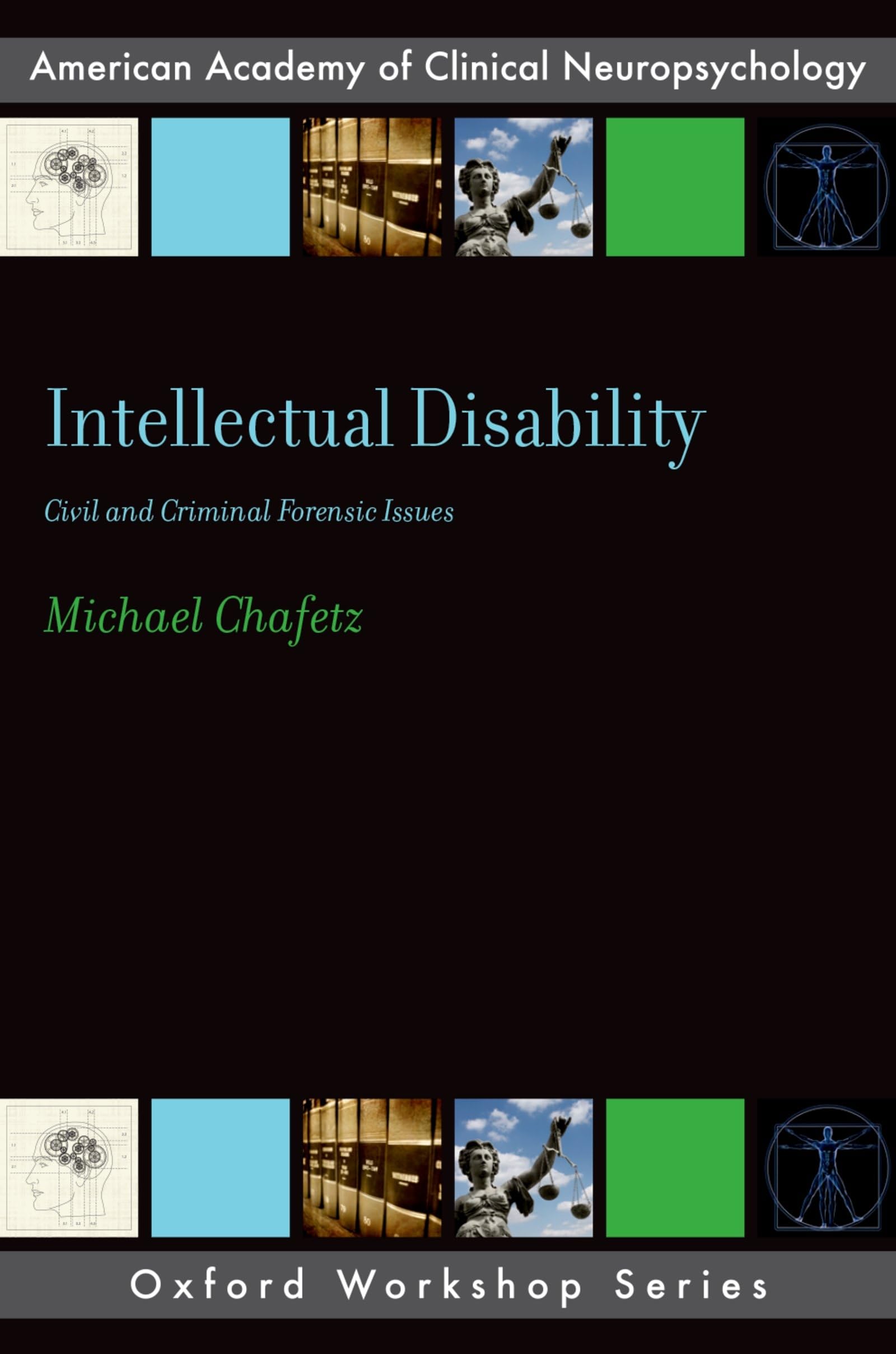
Intellectual Disability: Criminal and Civil Forensic Issues (AACN Workshop Series),New
Sold by Ergodebooks, an authorized reseller.
Returns accepted within 30 days | support@ergodebooks.com
Shipping Information
- Free Standard Shipping — United States only
- Processing Time: 3–5 business days
- Estimated Delivery: 6–10 business days after dispatch
- Double-boxed, fully insured & discreetly packaged
- Tracking number sent via email once dispatched
Returns & Refund
Returns accepted within 30 days of delivery.
Damaged or Defective Item
Free return shipping + replacement or full refund
Wrong Item Received
Free return shipping + replacement or full refund
Change of Mind
Return shipping at customer's expense · 25% restocking fee applies
Payment Option

Courts recognize that those who are involved in medicolegal proceedings have a stake in the outcome of their psychological assessment, regardless of whether they are high or lowfunctioning individuals. Accounting for the validity of the evaluation in lowfunctioning examinees is frequently made more difficult by impairment; when evaluating testimony from people with intellectual disability (ID), neuropsychologists and psychologists must acknowledge the differences between the medicolegal evaluation and the clinical evaluation. This book provides helpful guidelines for assessing validity in lowfunctioning claimants. It charts recent advances in psychological and neuropsychological assessment pertaining to civil and criminal proceedings while examining issues such as validity and motivation, assessments of disability, criminal and civil capacities, capital cases, Miranda waiver cases, and others.In disability cases, the Social Security Administration has had a longstanding policy that prevents neuropsychologists and psychologists from using validity instrumentsyet, using this book, an accurate and valid assessment can still be obtained. Evaluators who perform assessments in capital cases will find uptodate discussions of the Flynn Effect, measurement of intellectual functioning, problems associated with the assessment of adaptive functioning, and the challenge of validity assessment. Miranda waiver evaluations for those with low IQ are discussed concerning issues of capacity measurement, including reading and language analysis for the Miranda advisement in the particular jurisdiction in question. Testamentary capacity is discussed at length, showing how understanding of the legal standard is helpful in guiding the examination. Competency to stand trial, or adjudicative competence, is the main topic in the area of criminal competencies, with exploration of the Dusky standard and the various tests used to evaluate this competence, focusing on individuals with ID.
⚠️ WARNING (California Proposition 65):
This product may contain chemicals known to the State of California to cause cancer, birth defects, or other reproductive harm.
For more information, please visit www.P65Warnings.ca.gov.