If you have any questions, you are always welcome to contact us. We'll get back to you as soon as possible, withing 24 hours on weekdays.
Customer service
All questions about your order, return and delivery must be sent to our customer service team by e-mail at yourstore@yourdomain.com
Sale & Press
If you are interested in selling our products, need more information about our brand or wish to make a collaboration, please contact us at press@yourdomain.com
Help
If you have any questions, you are always welcome to contact us. We'll get back to you as soon as possible, withing 24 hours on weekdays.
Customer service
All questions about your order, return and delivery must be sent to our customer service team by e-mail at yourstore@yourdomain.com
Sale & Press
If you are interested in selling our products, need more information about our brand or wish to make a collaboration, please contact us at press@yourdomain.com
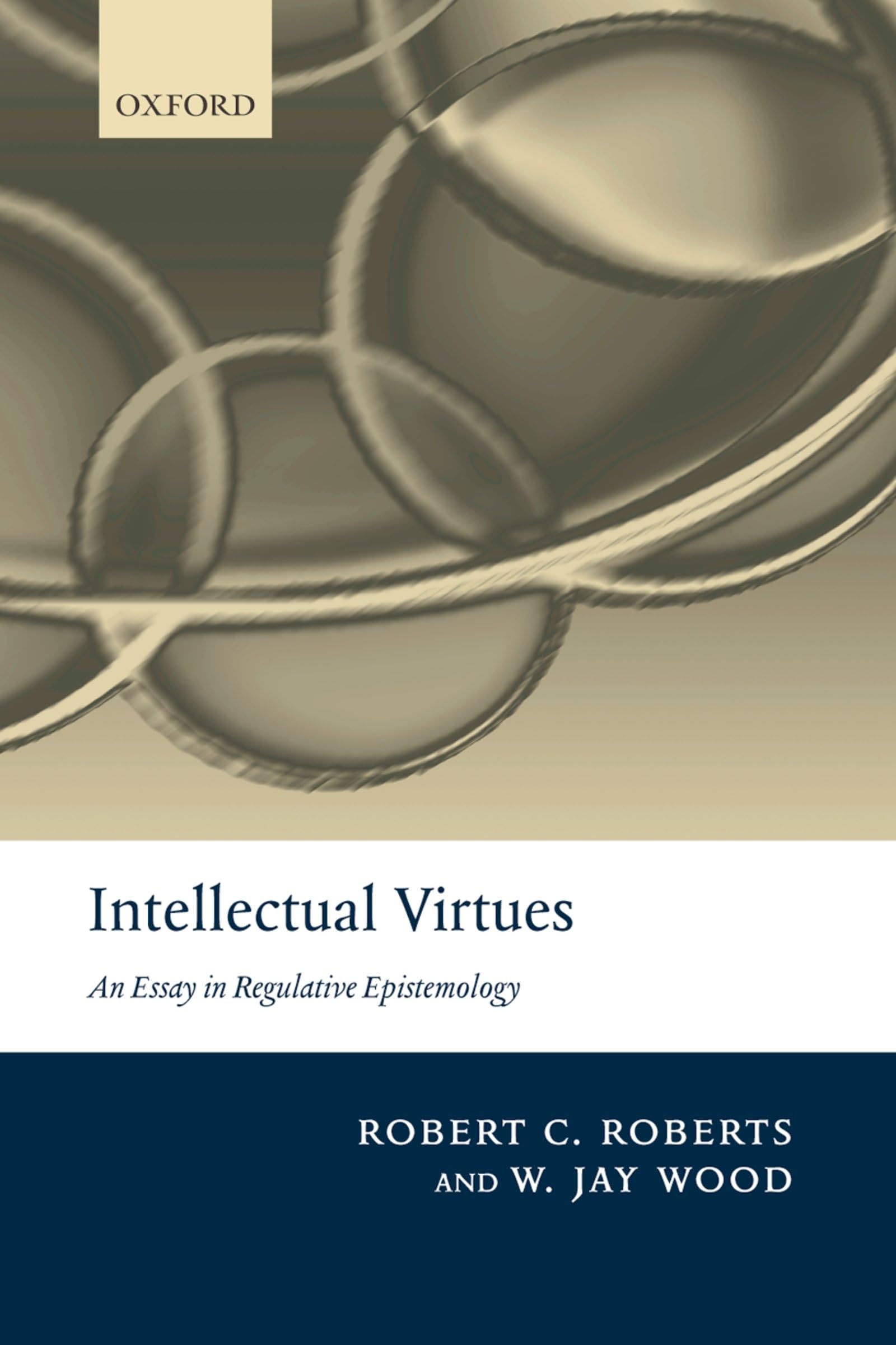
Out of the ferment of recent debates about the intellectual virtues, Roberts and Wood have developed an approach they call 'regulative epistemology.' This is partly a return to classical and medieval traditions, partly in the spirit of Locke's and Descartes's concern for intellectual formation, partly an exploration of connections between epistemology and ethics, and partly an approach that has never been tried before.Standing on the shoulders of recent epistemologistsincluding William Alston, Alvin Plantinga, Ernest Sosa, and Linda ZagzebskiRoberts and Wood pursue epistemological questions by looking closely and deeply at particular traits of intellectual character such as love of knowledge, intellectual autonomy, intellectual generosity, and intellectual humility. Central to their vision is an account of intellectual goods that includes not just knowledge as properly grounded belief, but understanding and personal acquaintance, acquired and shared through the many social practices of actual intellectual life.This approach to intellectual virtue infuses the discipline of epistemology with new life, and makes it interesting to people outside the circle of professional epistemologists. It is epistemology for the whole intellectual community, as Roberts and Wood carefully sketch the ways in which virtues that would have been categorized earlier as moral make for agents who can better acquire, refine, and communicate important kinds of knowledge.
⚠️ WARNING (California Proposition 65):
This product may contain chemicals known to the State of California to cause cancer,
birth defects, or other reproductive harm.
For MAP (Minimum Advertised Price) violations and Intellectual Property (IP) or Trademark concerns, please contact:
support@ergodebooks.com
⚠️ California Proposition 65 Warning: Some products sold on this website may expose you to chemicals known to the State of California to cause cancer, birth defects, or other reproductive harm. For more information, visit www.P65Warnings.ca.gov.