
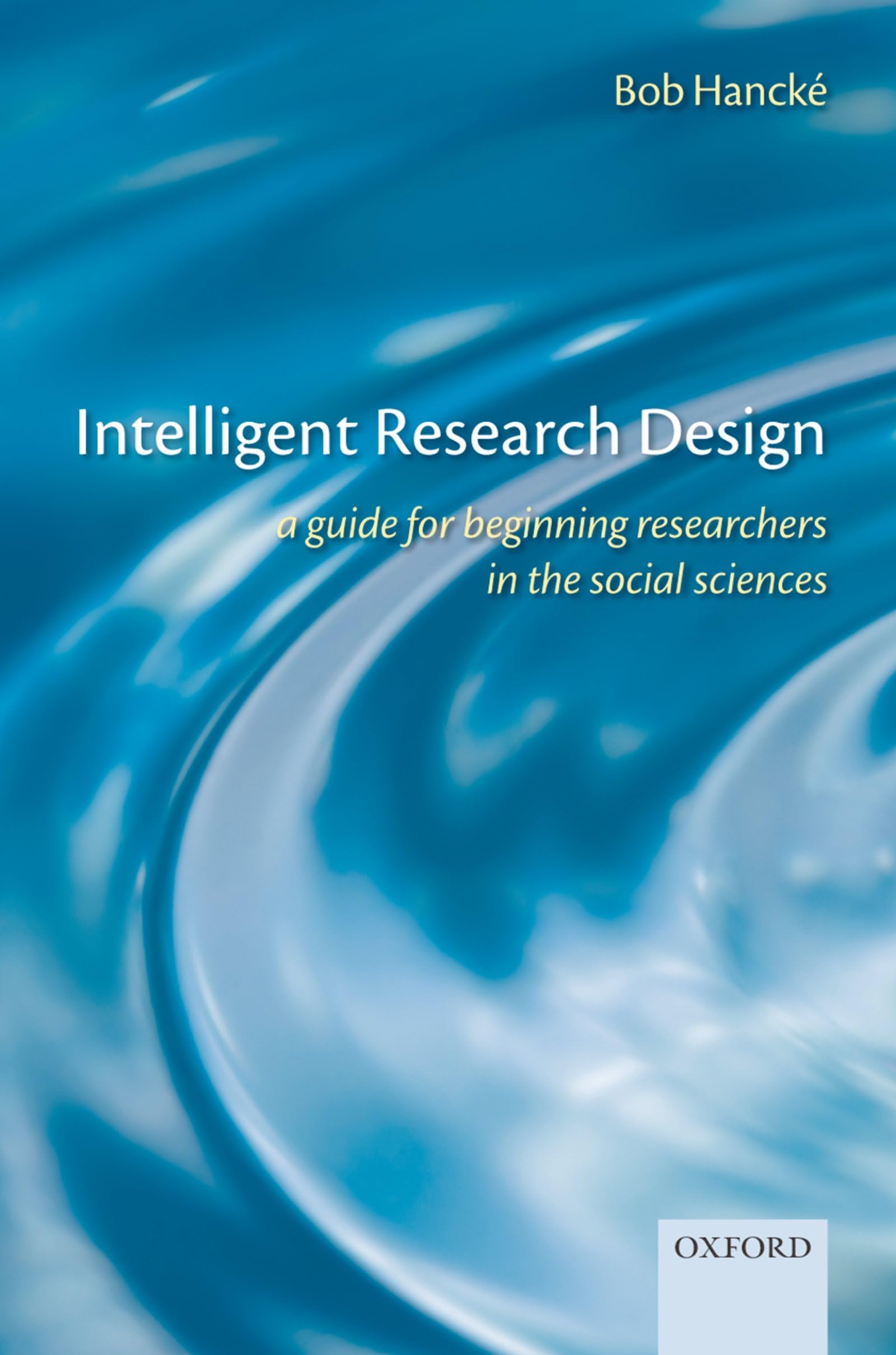
Title
Intelligent Research Design: A Guide For Beginning Researchers In The Social Sciences
Sold by Ergodebooks, an authorized reseller.
Returns accepted within 30 days | support@ergodebooks.com
Shipping Information
- Free Standard Shipping — United States only
- Processing Time: 3–5 business days
- Estimated Delivery: 6–10 business days after dispatch
- Double-boxed, fully insured & discreetly packaged
- Tracking number sent via email once dispatched
Returns & Refund
Returns accepted within 30 days of delivery.
Damaged or Defective Item
Free return shipping + replacement or full refund
Wrong Item Received
Free return shipping + replacement or full refund
Change of Mind
Return shipping at customer's expense · 25% restocking fee applies
Payment Option

This Book Offers Advice To Doctoral Researchers And Graduate And Advanced Undergraduate Students On How To Embark On Their Research. Based On A Decade Of Teaching Earlystage Researchers In The Social Sciences At The Lse And Other Universities, And Written With The Central Problems Of Beginning Researchers In Mind, Bob Hanck Guides Them Through The Process Of Thinking About The Links Between Theory, Cases And Data, And To Do So In A Way That Helps To Turn Their Initial Plausible Ideas Into Convincing Arguments. This Lively Book, Deliberately Jargonfree And With A Handson, Pragmatic Approach To Research Design, Addresses The Problems That Research Students Faceor Ignore, Often At Their Perilin The Course Of Their First Few Years. Its Central Message Is That Research Is A Complex And Iterative Process In Which Researchers Construct Every Relevant Part Of Their Project With One Goal In Mind: Make A Persuasive Point. They Define The Question They Ask And The Debate They Engage, Construct Their Cases And Data To Answer That Question, And Write It Up As An Argument That Brings Out The Strengths Of Their Research Design. It Addresses Such Key Issues As Statistical Versus Configurational Approaches, Time In Social Science Research, Different Types Of Case Studies And Comparative Research, And A Critical Approach To Data. The Appendix Gives Tips On Presenting And Discussing Papers, And On Crafting Research Proposals.
⚠️ WARNING (California Proposition 65):
This product may contain chemicals known to the State of California to cause cancer, birth defects, or other reproductive harm.
For more information, please visit www.P65Warnings.ca.gov.
- Q: What is the page count of this book? A: This book has one hundred sixty pages. It offers a comprehensive guide for beginning researchers in the social sciences.
- Q: What are the dimensions of this book? A: The dimensions are six point fourteen inches in length, six point fourteen inches in width, and nine point twenty-one inches in height. These measurements make it a convenient size for reading and carrying.
- Q: What type of binding does this book have? A: This book is available in paperback binding. This makes it lightweight and easy to handle for students.
- Q: How can this book help me with my research? A: This book provides practical advice for doctoral researchers and advanced undergraduate students. It helps them understand the links between theory, cases, and data.
- Q: Is this book suitable for beginners? A: Yes, this book is specifically designed for beginning researchers. It addresses the common challenges faced by those new to social science research.
- Q: What type of research topics does this book cover? A: The book covers topics such as statistical approaches, case studies, and comparative research. It provides insights into critical thinking about data.
- Q: How should I approach the research design suggested in this book? A: You should follow the iterative process outlined in the book. It emphasizes defining your research question and constructing your argument thoroughly.
- Q: Is this book appropriate for graduate students? A: Yes, this book is appropriate for graduate students as well as advanced undergraduates. It offers guidance tailored to their specific academic needs.
- Q: Does this book include tips for presenting research? A: Yes, the appendix of the book includes tips on presenting and discussing papers. This aids researchers in effectively communicating their findings.
- Q: Can this book help with writing research proposals? A: Yes, it provides guidance on crafting research proposals. This is essential for students looking to secure funding or approval for their projects.
- Q: What is the main focus of this book? A: The main focus is on guiding researchers through the process of turning ideas into convincing arguments. It emphasizes the importance of a structured research design.
- Q: Who is the author of this book? A: The author of this book is Bob Hancké. He has extensive experience teaching early-stage researchers in the social sciences.
- Q: What publishing house released this book? A: This book was published by Oxford University Press, USA. It is a reputable publisher known for academic texts.
- Q: Does this book address statistical approaches? A: Yes, it discusses statistical versus configurational approaches in research. This is crucial for understanding different methodologies.
- Q: Is this book jargon-free? A: Yes, the book is deliberately written to be jargon-free. This makes it accessible to those new to research.