
Title
Intermediate Elites In Precolumbian States And Empires,Used
Sold by Ergodebooks, an authorized reseller.
Returns accepted within 30 days | support@ergodebooks.com
Shipping Information
- Free Standard Shipping — United States only
- Processing Time: 3–5 business days
- Estimated Delivery: 6–10 business days after dispatch
- Double-boxed, fully insured & discreetly packaged
- Tracking number sent via email once dispatched
Returns & Refund
Returns accepted within 30 days of delivery.
Damaged or Defective Item
Free return shipping + replacement or full refund
Wrong Item Received
Free return shipping + replacement or full refund
Change of Mind
Return shipping at customer's expense · 25% restocking fee applies
Payment Option

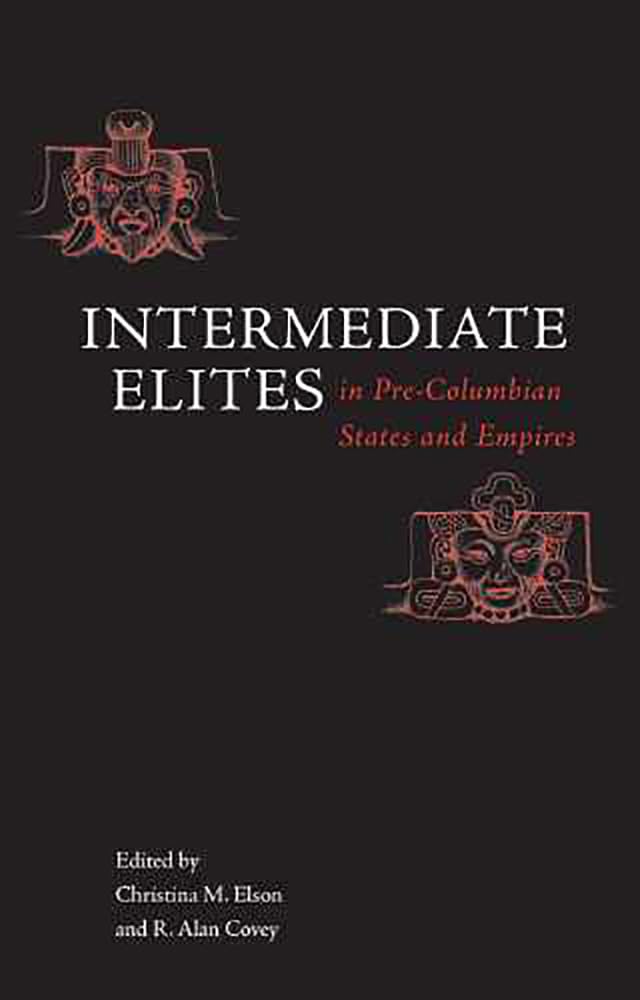
From the Mesoamerican highlands to the Colca Valley in Peru, preColumbian civilizations were bastions of power that have largely been viewed through the lens of rulership, or occasionally through bottomup perspectives of resistance. Rather than focusing on rulers or peasants, this book examines how intermediate elitesboth men and womenhelped to develop, sustain, and resist state policies and institutions. Employing new archaeological and ethnohistorical data, its contributors trace a 2,000year trajectory of elite social evolution in the Zapotec, Wari, Aztec, Inka, and Maya civilizations.This is the first volume to consider how individuals subordinate to imperial rulers helped to shape specific forms of state and imperial organization. Taking a broader scope than previous studies, it is one of the few works to systematically address these issues in both Mesoamerica and the Central Andes. It considers how these individuals influenced the longterm development of the largest civilizations of the ancient Americas, opening a new window on the role of intermediate elites in the rise and fall of ancient states and empires worldwide.The authors demonstrate how such evidence as settlement patterns, architecture, decorative items, and burial patterns reflect the roles of intermediate elites in their respective societies, arguing that they were influential actors whose interests were highly significant in shaping the specific forms of state and imperial organization. Their emphasis on provincial elites particularly shifts examination of early states away from royal capitals and imperial courts, explaining how local elites and royal bureaucrats had significant impact on the development and organization of premodern states.Together, these papers demonstrate that intricate networks of intermediate elites bound these ancient societies togetherand that competition between individuals and groups contributed to their decline and eventual collapse. By addressing current theoretical concerns with agency, resistance to state domination, and the cooption of local leadership by imperial administrators, it offers valuable new insight into the utility of studying intermediate elites.
⚠️ WARNING (California Proposition 65):
This product may contain chemicals known to the State of California to cause cancer, birth defects, or other reproductive harm.
For more information, please visit www.P65Warnings.ca.gov.