
Title
Internal Difference And Meanings,Used
Sold by Ergodebooks, an authorized reseller.
Returns accepted within 30 days | support@ergodebooks.com
Shipping Information
- Free Standard Shipping — United States only
- Processing Time: 3–5 business days
- Estimated Delivery: 6–10 business days after dispatch
- Double-boxed, fully insured & discreetly packaged
- Tracking number sent via email once dispatched
Returns & Refund
Returns accepted within 30 days of delivery.
Damaged or Defective Item
Free return shipping + replacement or full refund
Wrong Item Received
Free return shipping + replacement or full refund
Change of Mind
Return shipping at customer's expense · 25% restocking fee applies
Payment Option

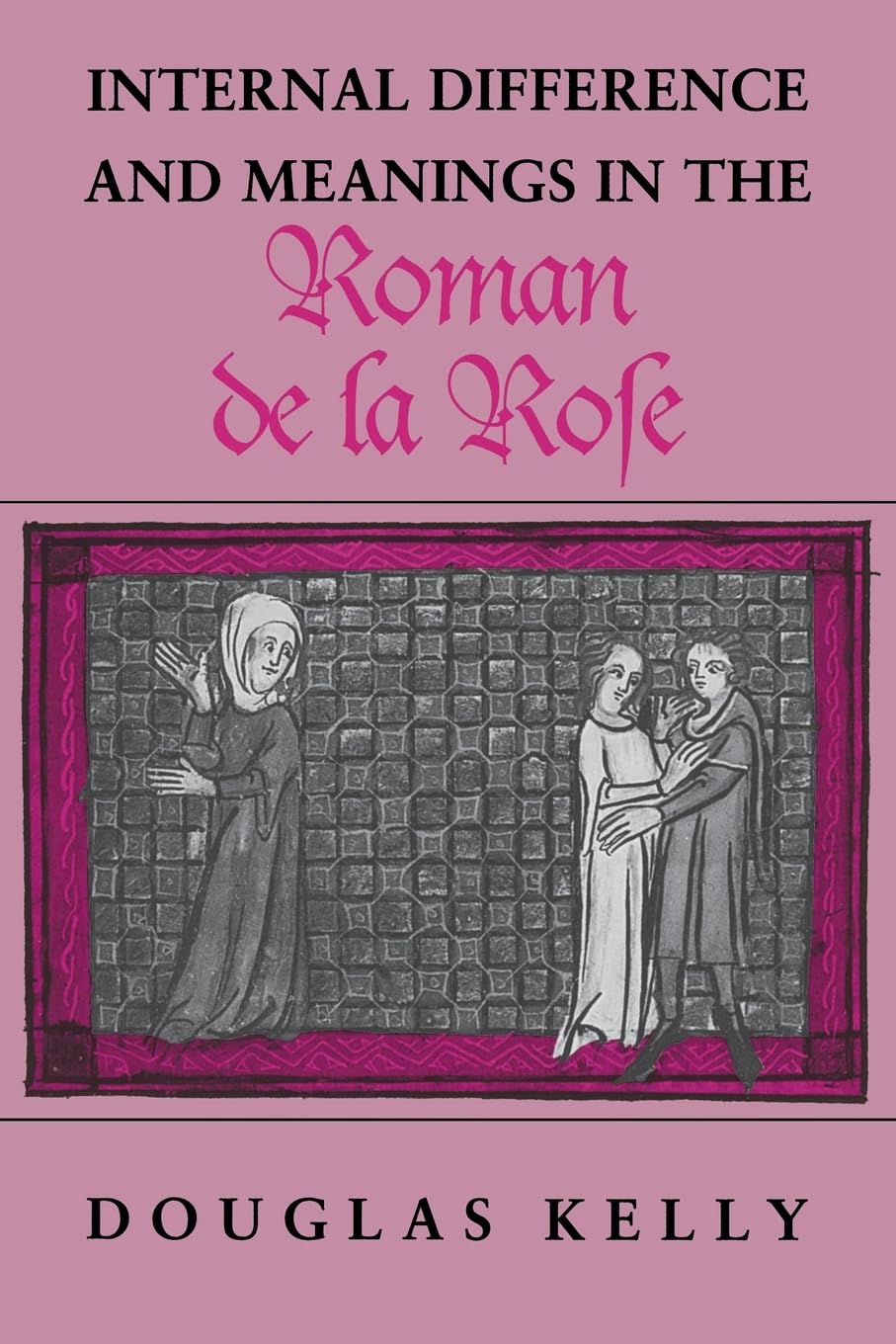
The Roman de la rose, one of the most important, complex poems of medieval France, has given rise to highly divergent readings since Jean de Meun completed it in the thirteenth century. In Internal Difference and Meanings in the Roman de la rose, one of the foremost authorities on medieval French literature brings his considerable erudition to bear on this classic of medieval romance, illuminating its artistry and controversial moralityDouglas Kelly interprets the Roman de la rose in the context of known medieval reading strategies (modus tractandi) elaborated by Jean de Meun himself in the course of the poem. Kelly probes the modes used by Jean, examining the text from their different perspectives and drawing out the multiple readings and allegories present in the poem. He argues that Jean confronts readers with these multiple readings to force them to recognize and ponder the moral implications of the text, and thus to discover their own moral selves by identification, qualification, or distancing.Kelly contrasts the Rose with other works, including models of romance from such forerunners as Ovid and Boethius and writings of medieval critics of the Rose. He looks particularly at the comments of Christine de Pizan, the most outspoken of these critics. Examining both the wellknown 'Quarrel of the Rose' she started and her writings about the poem, he reveals the complexity and ambivalence of her reception of the Roman de la rose. The confrontation of Jean de Meun and Christine de Pizan, Kelly shows, can be placed in the larger French tradition of moral writing: the moraliste who holds a mirror to human conduct versus the moralisateur who prescribes ideals of conduct.
⚠️ WARNING (California Proposition 65):
This product may contain chemicals known to the State of California to cause cancer, birth defects, or other reproductive harm.
For more information, please visit www.P65Warnings.ca.gov.