If you have any questions, you are always welcome to contact us. We'll get back to you as soon as possible, withing 24 hours on weekdays.
Customer service
All questions about your order, return and delivery must be sent to our customer service team by e-mail at yourstore@yourdomain.com
Sale & Press
If you are interested in selling our products, need more information about our brand or wish to make a collaboration, please contact us at press@yourdomain.com
Help
If you have any questions, you are always welcome to contact us. We'll get back to you as soon as possible, withing 24 hours on weekdays.
Customer service
All questions about your order, return and delivery must be sent to our customer service team by e-mail at yourstore@yourdomain.com
Sale & Press
If you are interested in selling our products, need more information about our brand or wish to make a collaboration, please contact us at press@yourdomain.com
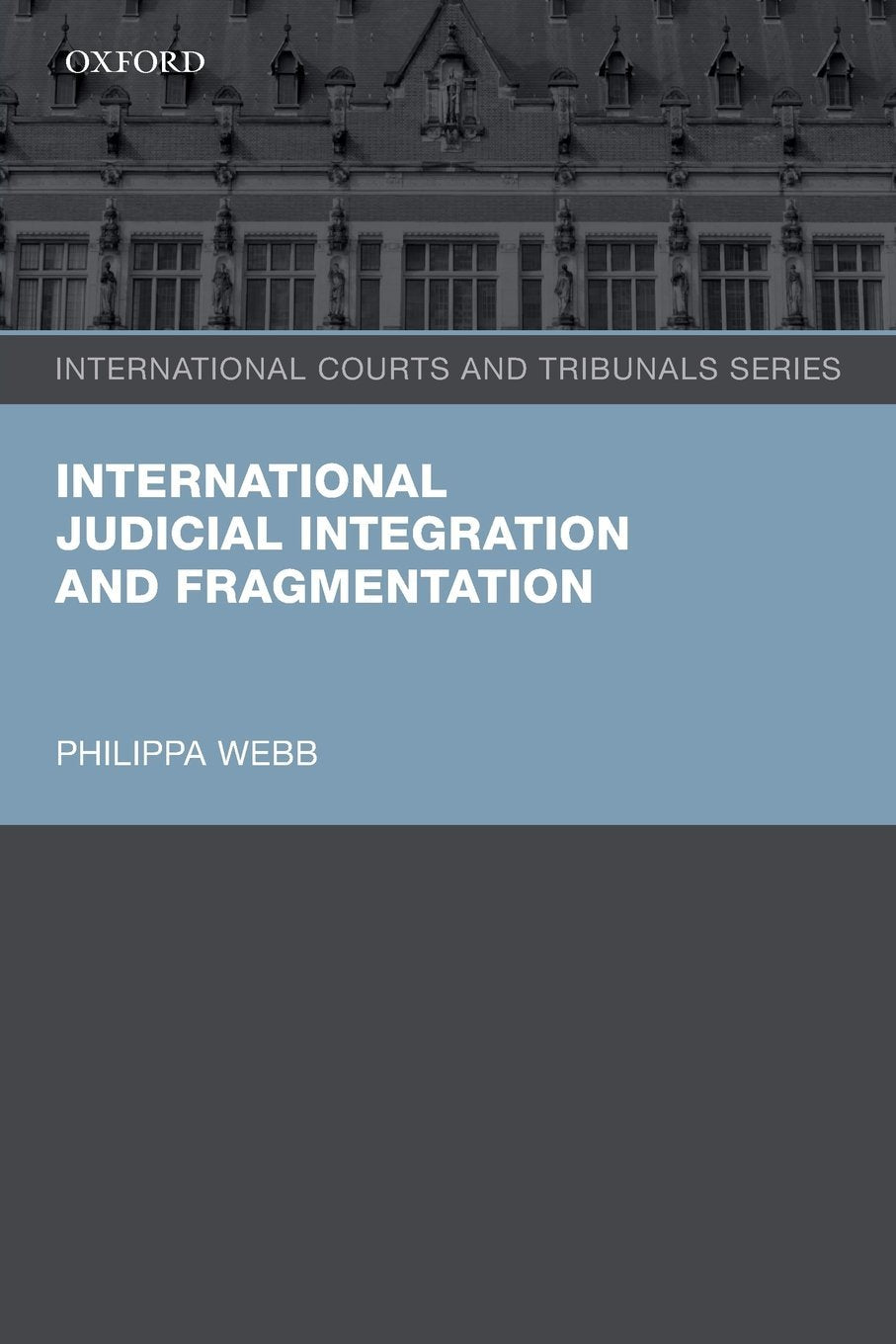
Fragmentation is one of the major debates within international law, but no detailed case studies have been made to show the problems that it creates, and how they can be addressed. This book asks whether the growing number of international judicial bodies render decisions that are largely consistent with one another, which factors influence this (in)consistency, and what this tells us about the development of international law by international courts and tribunals. It answers these questions by focusing on three areas of law: genocide, immunities, and the use of force, as in each of these areas different international judicial entities have dealt with cases stemming from the same situation and set of facts.The work focuses on four main courts: the International Court of Justice (ICJ), the International Criminal Court (ICC), the International Criminal Tribunal for the Former Yugoslavia (ICTY), and the International Criminal Tribunal for Rwanda (ICTR), which often interpret, apply, and develop the same legal principles, despite their different mandates and functions. It argues that judicial fragmentation is damaging to the international legal system, as coherent and compatible pronouncements on the law by international courts are vital to retaining the confidence of the international community. Ultimately, the book makes a plea for the importance of judicial integration for the stability and reliability of the international legal system.
⚠️ WARNING (California Proposition 65):
This product may contain chemicals known to the State of California to cause cancer,
birth defects, or other reproductive harm.
For MAP (Minimum Advertised Price) violations and Intellectual Property (IP) or Trademark concerns, please contact:
support@ergodebooks.com
⚠️ California Proposition 65 Warning: Some products sold on this website may expose you to chemicals known to the State of California to cause cancer, birth defects, or other reproductive harm. For more information, visit www.P65Warnings.ca.gov.