
Title
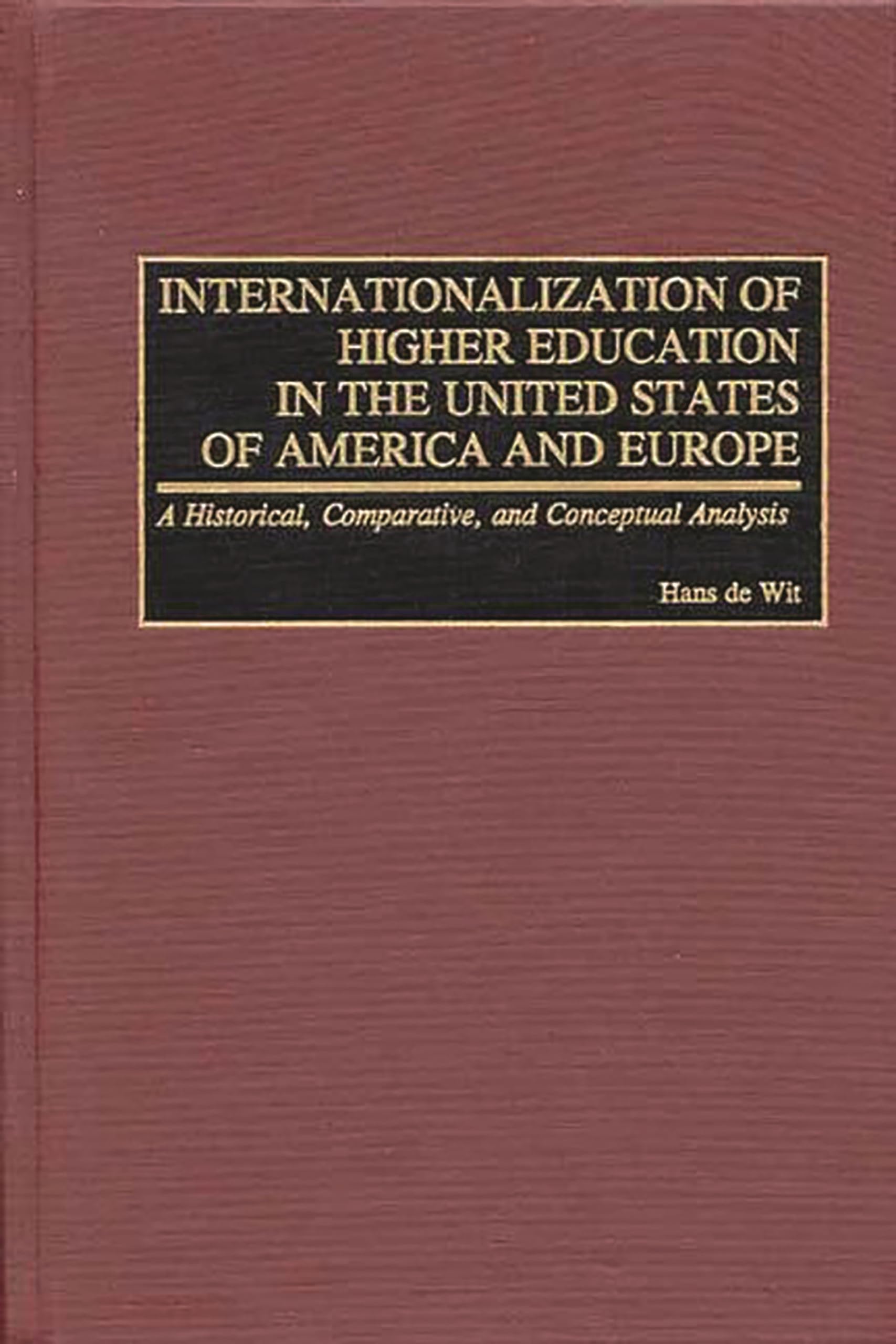
Internationalization of Higher Education in the United States of America and Europe: A Historical, Comparative, and Conceptual A,Used
Sold by Ergodebooks, an authorized reseller.
Returns accepted within 30 days | support@ergodebooks.com
Shipping Information
- Free Standard Shipping — United States only
- Processing Time: 3–5 business days
- Estimated Delivery: 6–10 business days after dispatch
- Double-boxed, fully insured & discreetly packaged
- Tracking number sent via email once dispatched
Returns & Refund
Returns accepted within 30 days of delivery.
Damaged or Defective Item
Free return shipping + replacement or full refund
Wrong Item Received
Free return shipping + replacement or full refund
Change of Mind
Return shipping at customer's expense · 25% restocking fee applies
Payment Option

Internationalization of higher education can be defined as the process of integrating an international/intercultural dimension into the teaching, research, and service functions of the institution. This comprehensive analysis describes and compares the historical development of the internationalization of higher education in the United States and Europe, as well as providing a comparative and conceptual analysis of the current situation in the field. The increasingly international focus of higher education is dialectically related to the present globalization and regionalization of our societies and markets. As a result, the importance of quality assessment of internationalization strategies has grown, international academic consortia and networks have emerged, and English has been firmly established as the language of communication in higher education.The combination of historical, comparative, and conceptual analysis of internationalization of higher education provides a framework for further research and practice of this important trend in higher education. First, de Wit describes and compares the historical development of internationalization in higher education in both the United States and Europe. In part two, the political, economic, social/cultural and academic rationales for the internationalization of higher education are described and a critical analysis of the different meanings and definitions, as well as organization models and strategies are provided. In the last section, internationalization of higher education is placed in the context of recent globalization.
⚠️ WARNING (California Proposition 65):
This product may contain chemicals known to the State of California to cause cancer, birth defects, or other reproductive harm.
For more information, please visit www.P65Warnings.ca.gov.