
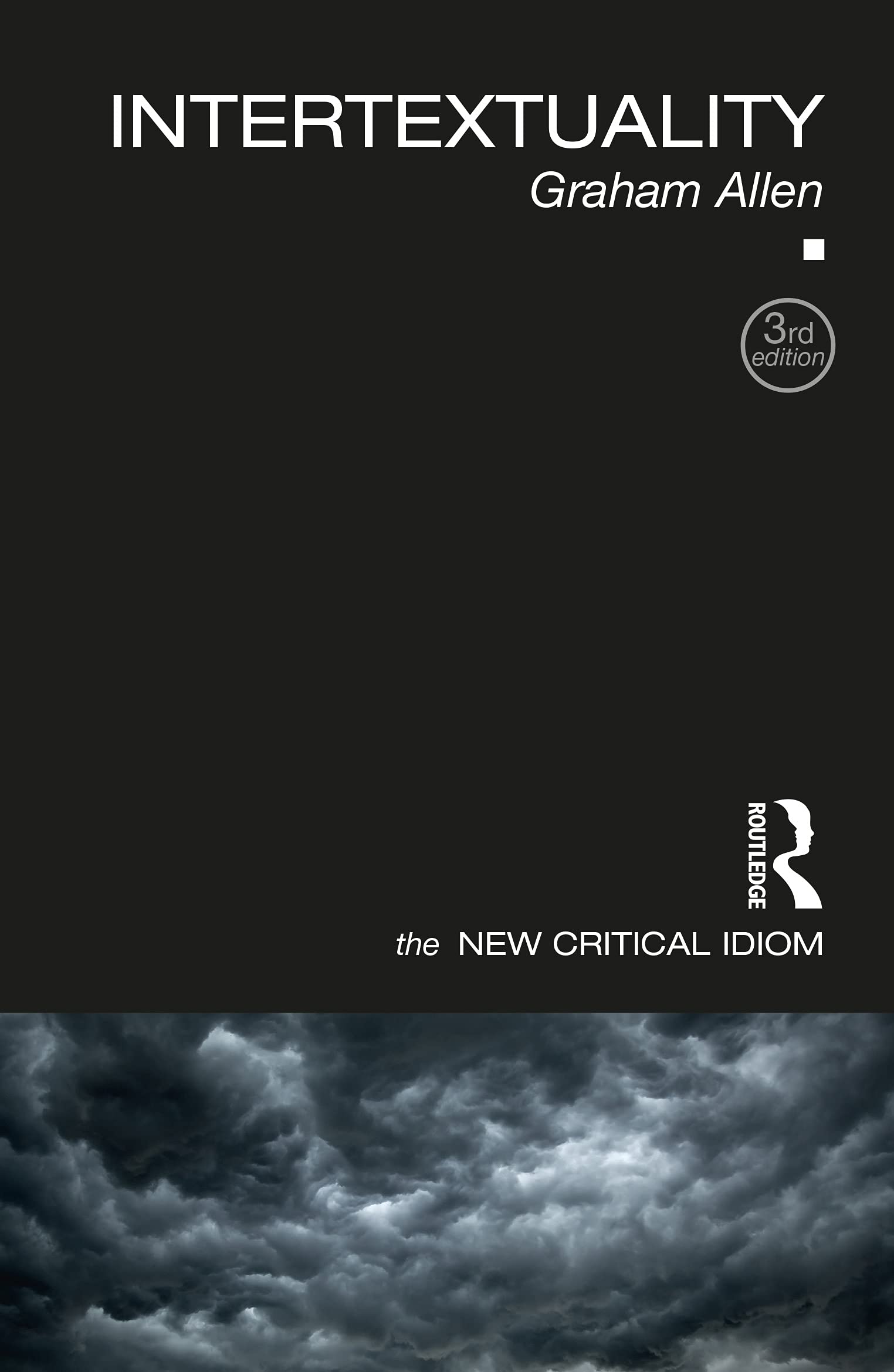
Title
Intertextuality (The New Critical Idiom),Used
Processing time: 1-3 days
US Orders Ships in: 3-5 days
International Orders Ships in: 8-12 days
Return Policy: 15-days return on defective items
Payment Option

This successful introduction to intertextuality deftly introduces this crucial area and relates its significance to key theories and movements in the study of literature. The third edition is updated to include a brand new chapter, looking at intermediality, and how the study of intertextuality has changed over the last ten years.Offering a clear guide to this crucial area, Graham Allen: outlines the history and contemporary use of the term incorporates a wealth of illuminating examples from literature and culture examines the politics and aesthetics of the term relates intertextuality to global cultures and new mediaLooking at intertextuality in relation to literary and critical theory as well as contemporary culture and media, this book offers a fascinating and useful approach to all aspects of literary studies, especially those dealing with adaptation, media, or comparative studies.
⚠️ WARNING (California Proposition 65):
This product may contain chemicals known to the State of California to cause cancer, birth defects, or other reproductive harm.
For more information, please visit www.P65Warnings.ca.gov.
- Q: What is the page count of 'Intertextuality (The New Critical Idiom)'? A: This book has two hundred sixty-two pages. It provides a thorough exploration of intertextuality and its relevance to literature.
- Q: What are the dimensions of this book? A: The book measures five point twenty-five inches in length, zero point seventy-five inches in width, and eight inches in height. These dimensions make it a convenient size for reading.
- Q: What type of binding does this book have? A: This book is published in paperback binding. This allows for a lightweight and flexible reading experience.
- Q: Who is the author of 'Intertextuality (The New Critical Idiom)'? A: The author is Graham Allen. He is known for his contributions to literary theory and criticism.
- Q: What is the genre of 'Intertextuality (The New Critical Idiom)'? A: This book falls under the genre of Postmodernism. It examines intertextuality within various literary and cultural contexts.
- Q: How do I read 'Intertextuality (The New Critical Idiom)'? A: You can read this book like any other text; simply open it and start from the beginning. It is suitable for anyone interested in literary studies.
- Q: Is this book suitable for beginners in literary studies? A: Yes, this book is suitable for beginners. It provides a clear introduction to intertextuality and its significance in literature.
- Q: What themes are explored in this book? A: This book explores themes such as adaptation, media, and comparative studies. It connects intertextuality to contemporary culture.
- Q: How should I care for this paperback book? A: To keep this book in good condition, store it upright on a shelf. Avoid exposing it to moisture or direct sunlight.
- Q: Is this book safe for all age groups? A: Yes, this book is appropriate for all age groups interested in literary studies. It does not contain adult content.
- Q: What if the book arrives damaged? A: If the book arrives damaged, you can contact the seller for a return or exchange. Most sellers have customer support to assist with such issues.
- Q: Can this book be used for academic purposes? A: Yes, this book is suitable for academic purposes. It is a valuable resource for students and scholars studying literature.
- Q: What is the main focus of 'Intertextuality (The New Critical Idiom)'? A: The main focus is on intertextuality and its relation to literary theory and contemporary culture. It examines how texts interact with each other.
- Q: Does this book include examples from literature? A: Yes, the book incorporates a wealth of examples from literature and culture. These examples illustrate key concepts in intertextuality.
- Q: Are there updates in the third edition of the book? A: Yes, the third edition includes a brand new chapter on intermediality. It reflects changes in the study of intertextuality over the last ten years.
- Q: Who is the publisher of this book? A: The publisher is Routledge. They are known for their academic publications in the field of humanities and social sciences.