If you have any questions, you are always welcome to contact us. We'll get back to you as soon as possible, withing 24 hours on weekdays.
Customer service
All questions about your order, return and delivery must be sent to our customer service team by e-mail at yourstore@yourdomain.com
Sale & Press
If you are interested in selling our products, need more information about our brand or wish to make a collaboration, please contact us at press@yourdomain.com
Help
If you have any questions, you are always welcome to contact us. We'll get back to you as soon as possible, withing 24 hours on weekdays.
Customer service
All questions about your order, return and delivery must be sent to our customer service team by e-mail at yourstore@yourdomain.com
Sale & Press
If you are interested in selling our products, need more information about our brand or wish to make a collaboration, please contact us at press@yourdomain.com
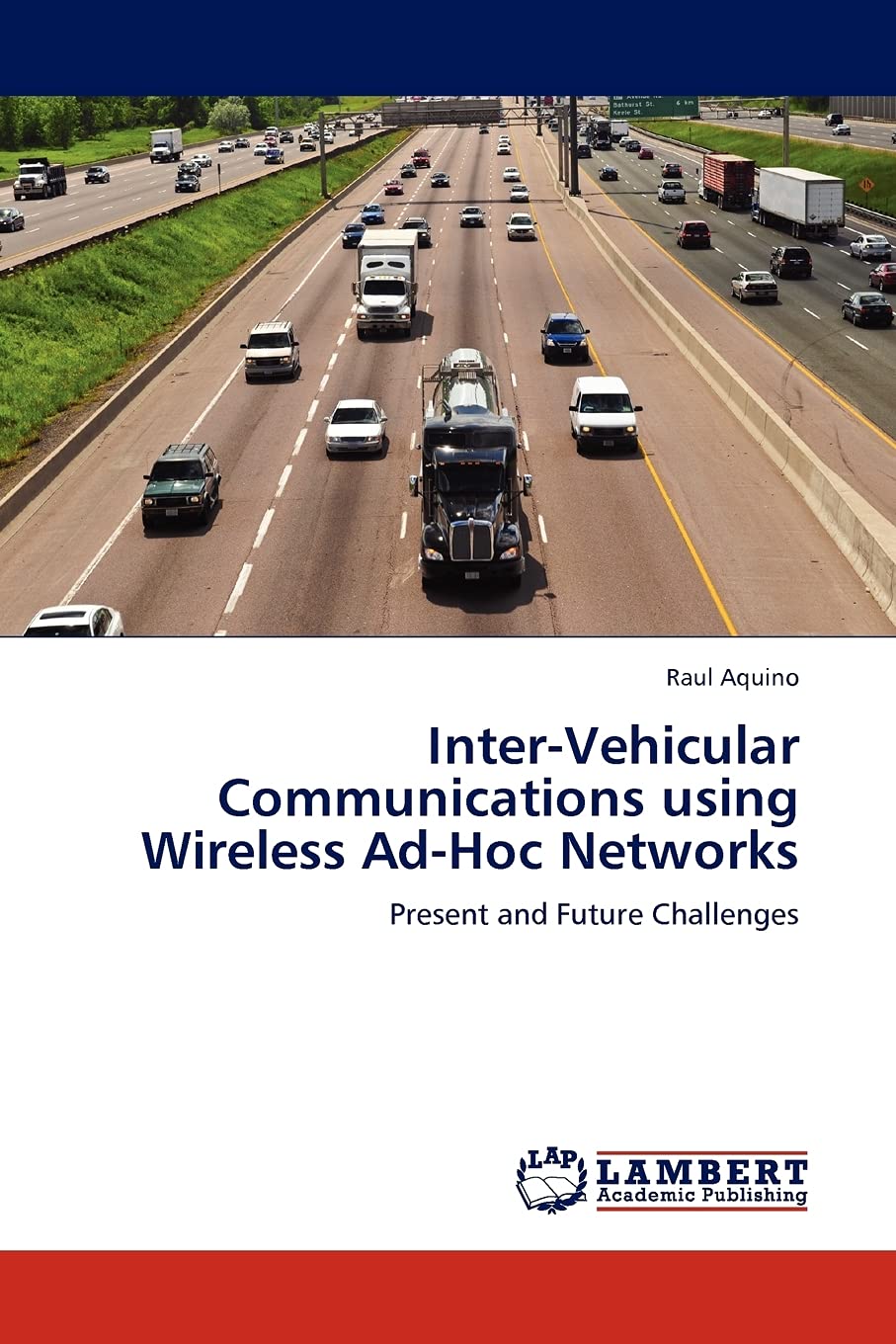
This work proposes a new routing algorithm to allow communication in highly mobile, wireless adhoc networks, which by nature are wireless and infrastructureless. In motorway environments, the topology of the network changes frequently and is unpredictable due to the mobility of the nodes. We investigate a new reactive routing algorithm based on location information in the context of intervehicular communication. In such a scenario, the originator of the communication does not know the position of its communication partner in advance. Rapid topology changes and scarce bandwidth prevent the nodes from exchanging positions regularly throughout the network. Therefore, we focus on reactive algorithms and explore several mechanisms limiting the flooding of discoveries location packets. The originator of a message uses scoped and controlled flooding to reach the destination. The receivers of the flooded message use their knowledge of the local environment to decide whether they can reach the intended destination of the message or retransmit the message to their neighbours.
⚠️ WARNING (California Proposition 65):
This product may contain chemicals known to the State of California to cause cancer,
birth defects, or other reproductive harm.
For MAP (Minimum Advertised Price) violations and Intellectual Property (IP) or Trademark concerns, please contact:
support@ergodebooks.com
⚠️ California Proposition 65 Warning: Some products sold on this website may expose you to chemicals known to the State of California to cause cancer, birth defects, or other reproductive harm. For more information, visit www.P65Warnings.ca.gov.