If you have any questions, you are always welcome to contact us. We'll get back to you as soon as possible, withing 24 hours on weekdays.
Customer service
All questions about your order, return and delivery must be sent to our customer service team by e-mail at yourstore@yourdomain.com
Sale & Press
If you are interested in selling our products, need more information about our brand or wish to make a collaboration, please contact us at press@yourdomain.com
Help
If you have any questions, you are always welcome to contact us. We'll get back to you as soon as possible, withing 24 hours on weekdays.
Customer service
All questions about your order, return and delivery must be sent to our customer service team by e-mail at yourstore@yourdomain.com
Sale & Press
If you are interested in selling our products, need more information about our brand or wish to make a collaboration, please contact us at press@yourdomain.com
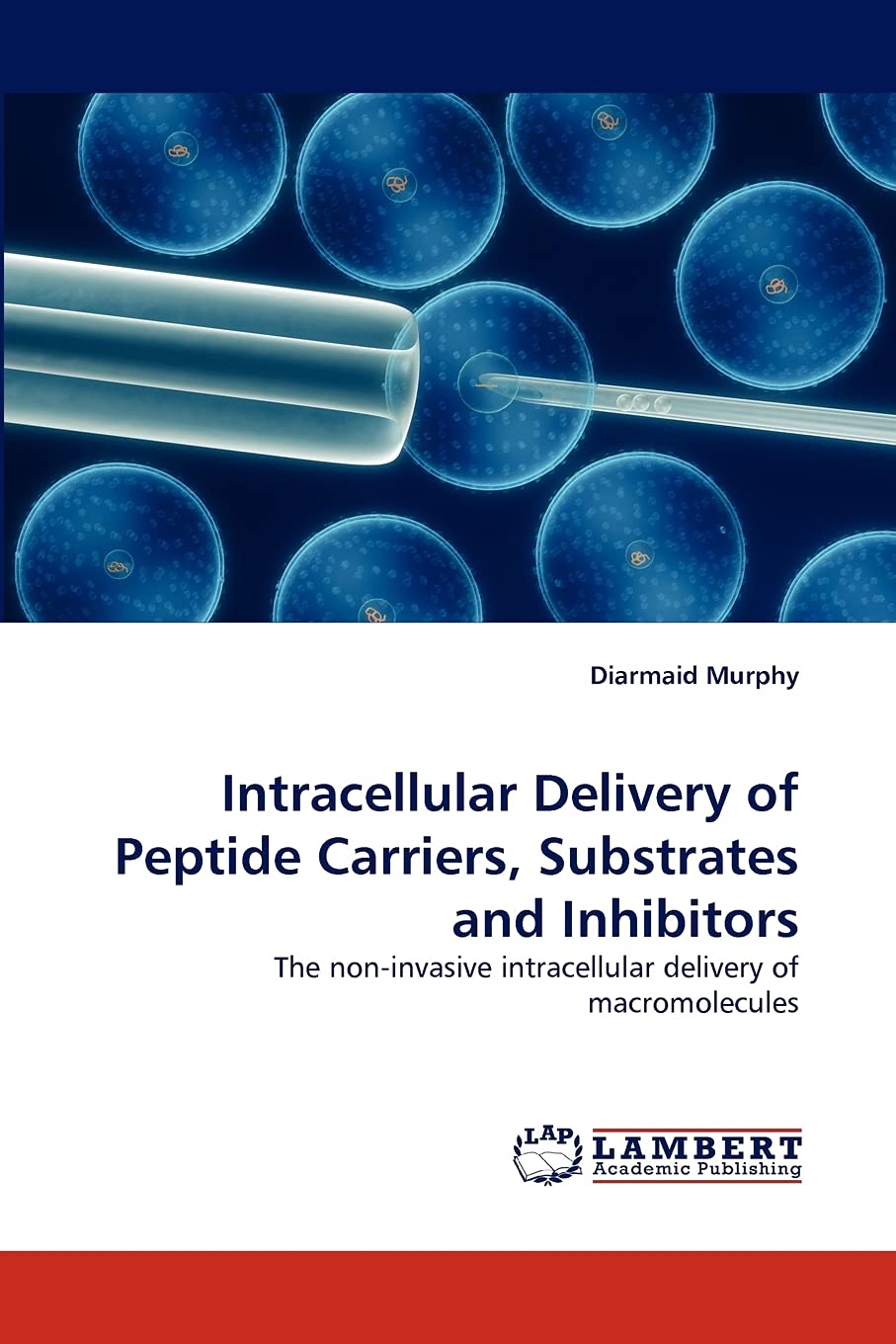
The lipid bilayer, which comprises all cell membranes, represents a formidable barrier to the delivery of large hydrophilic molecules into cells. The ability to introduce informationrich molecules into cells is a challenge in the development of new therapeutics for diseases not currently amenable to small molecule intervention. This work focuses on the delivery of peptidebased molecules including; inhibitors, substrates and carriers into cells. A series of peptidebased inhibitors against caspase3, an intracellular enzyme involved in apoptosis, were assessed for their cell membrane permeability. Proteolytic activation of a cell penetrating peptide was also investigated as a means of controlling the uptake of these carrier peptides into cells. Finally, the uptake and processing of an internally quenched Tatcaspase substrate was examined in cells undergoing apoptosis. This book may be of interest to scientists working in any area where large molecules need to be effectively delivered to cells. It may be of particular interest to those working on cell penetrating peptides, proteases or apoptosis.
⚠️ WARNING (California Proposition 65):
This product may contain chemicals known to the State of California to cause cancer,
birth defects, or other reproductive harm.
For MAP (Minimum Advertised Price) violations and Intellectual Property (IP) or Trademark concerns, please contact:
support@ergodebooks.com
⚠️ California Proposition 65 Warning: Some products sold on this website may expose you to chemicals known to the State of California to cause cancer, birth defects, or other reproductive harm. For more information, visit www.P65Warnings.ca.gov.