
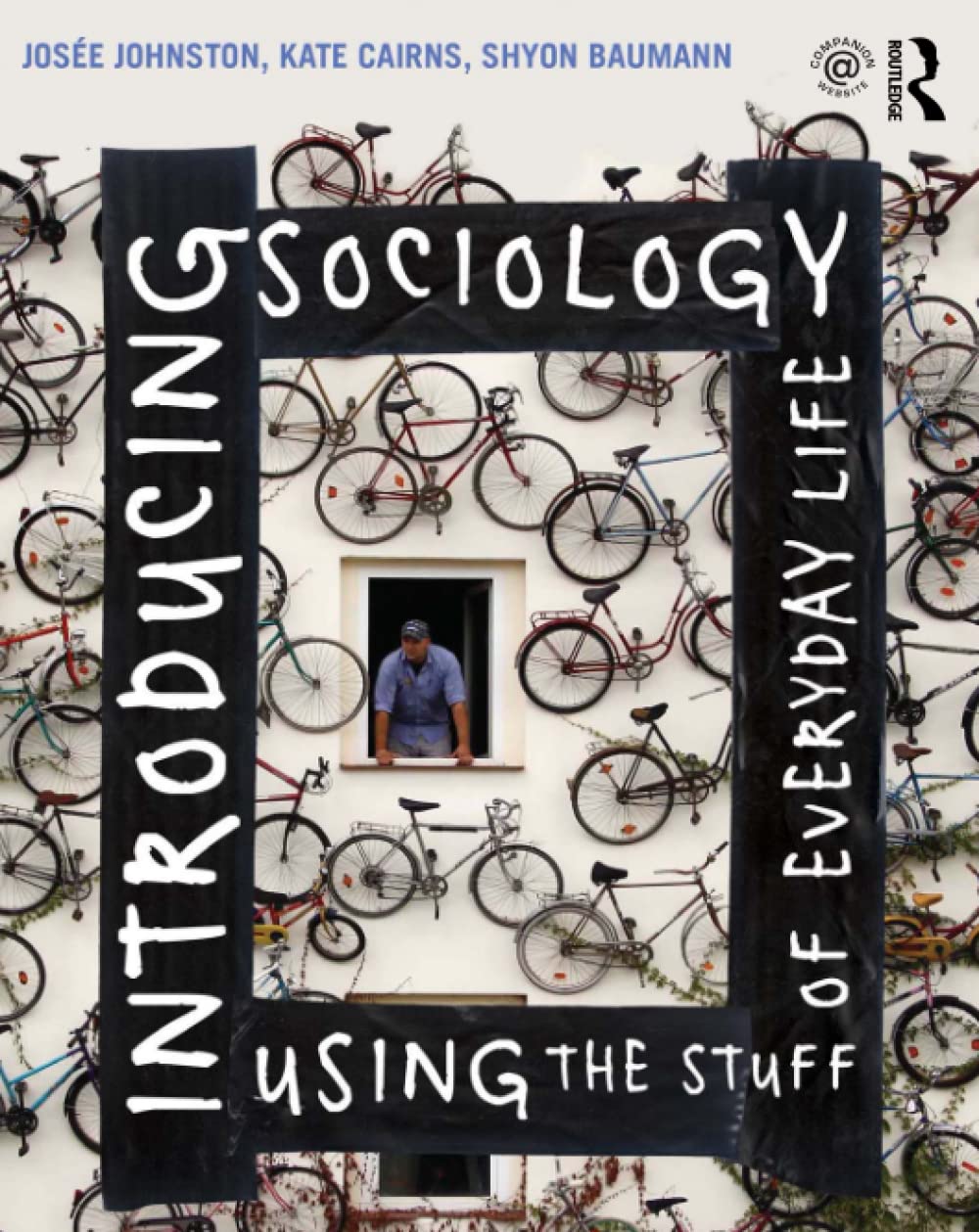
Title
Introducing Sociology Using The Stuff Of Everyday Life
Sold by Ergodebooks, an authorized reseller.
Returns accepted within 30 days | support@ergodebooks.com
Shipping Information
- Free Standard Shipping — United States only
- Processing Time: 3–5 business days
- Estimated Delivery: 6–10 business days after dispatch
- Double-boxed, fully insured & discreetly packaged
- Tracking number sent via email once dispatched
Returns & Refund
Returns accepted within 30 days of delivery.
Damaged or Defective Item
Free return shipping + replacement or full refund
Wrong Item Received
Free return shipping + replacement or full refund
Change of Mind
Return shipping at customer's expense · 25% restocking fee applies
Payment Option

The Challenges Of Teaching A Successful Introductory Sociology Course Today Demand Materials From A Publisher Very Different From The Norm. Texts That Are Organized The Way The Discipline Structures Itself Intellectually No Longer Connect With The Majority Of Student Learners. This Is Not An Issue Of Pandering To Students Or Otherwise Seeking The Lowest Common Denominator. On The Contrary, It Is A Question Of Again Making The Practice Of Sociological Thinking Meaningful, Rigorous, And Relevant To Todays World Of Undergraduates.This Comparatively Concise, Highly Visual, And Affordable Book Offers A Refreshingly New Way Forward To Reach Students, Using One Of The Most Powerful Tools In A Sociologists Teaching Arsenalthe Familiar Stuff In Students Everyday Lives Throughout The World: The Jeans They Wear To Class, The Coffee They Drink Each Morning, Or The Phones Their Professors Tell Them To Put Away During Lectures.A Focus On Consumer Culture, Seeing The Strange In The Familiar,Is Not Only Interesting For Students; It Is Also (The Authors Suggest) Pedagogically Superior To More Traditional Approaches. By Engaging Students Through Their Stuff, This Book Moves Beyond Teaching About Sociology To Helping Instructors Teach The Practice Of Sociological Thinking. It Moves Beyond Describing What Sociology Is, So That Students Can Practice What Sociological Thinking Can Do. This Pedagogy Also Posits A Relationship Between Teacher And Learner That Is Bidirectional. Many Students Feel A Sense Of Authority In Various Areas Of Consumer Culture, And They Often Enjoy Sharing Their Knowledge With Fellow Students And With Their Instructor. Opening Up The Sociology Classroom To Discussion Of These Topics Validates Students Expertise On Their Own Lifeworlds. Teachers, In Turn, Gain Insight From The Goods, Services, And Cultural Expectations That Shape Students Lives.While Innovative, The Book Has Been Carefully Crafted To Make It As Useful And Flexible As Possible For Instructors Aiming To Build Core Sociological Foundations In A Single Semester. A Map On Pages Iiiii Identifies Core Sociological Concepts Covered So That A Traditional Syllabus As Well As Individual Lectures Can Easily Be Maintained. Theory, Method, And Active Learning Exercises In Every Chapter Constantly Encourage The Sociological Imagination As Well As The Doing Of Sociology.
⚠️ WARNING (California Proposition 65):
This product may contain chemicals known to the State of California to cause cancer, birth defects, or other reproductive harm.
For more information, please visit www.P65Warnings.ca.gov.
- Q: What is the page count of the book? A: The book contains four hundred seventy-six pages. This length provides an in-depth exploration of introductory sociology concepts.
- Q: What are the dimensions of this book? A: The dimensions of the book are seven point three six inches in length, one point one four inches in width, and nine point two five inches in height. These dimensions make it easy to handle and store.
- Q: What is the binding type of this book? A: The book is available in paperback binding. This makes it flexible and lightweight for easy reading.
- Q: Who is the author of this book? A: The author of the book is Josee Johnston. She brings a unique perspective to the subject of sociology.
- Q: What category does this book fall under? A: The book falls under the category of Credit Ratings and Repair. It provides sociological insights that can apply to various aspects of everyday life.
- Q: How can I use this book in my studies? A: You can use this book as a primary textbook for introductory sociology courses. It features engaging content that helps students connect sociological theories to everyday life.
- Q: Is this book suitable for beginners in sociology? A: Yes, this book is suitable for beginners in sociology. It simplifies complex concepts and connects them to familiar experiences.
- Q: How does this book help in teaching sociology? A: The book helps in teaching sociology by using everyday life examples. This approach encourages students to engage actively with sociological thinking.
- Q: Can this book be used for self-study? A: Yes, this book can be used for self-study. Its clear explanations and practical examples make it ideal for independent learners.
- Q: What is the best way to care for this book? A: To care for this book, keep it in a dry environment and avoid exposing it to excessive moisture. This will help preserve its condition.
- Q: Is there a specific way to store this book? A: Yes, store this book upright on a shelf to prevent bending. This method helps maintain its shape and readability.
- Q: How can I clean the book if it gets dirty? A: To clean the book, gently wipe the cover with a soft, dry cloth. Avoid using water or cleaners that might damage the material.
- Q: What if the book arrives damaged? A: If the book arrives damaged, contact the seller immediately for a replacement or refund. Most sellers have policies in place to address such issues.
- Q: Does this book come with a warranty? A: No, this book does not come with a warranty. However, you can check the return policy for any issues upon delivery.
- Q: How is this book different from traditional sociology texts? A: This book differs from traditional sociology texts by focusing on consumer culture and everyday experiences. It encourages students to think sociologically about their lives.
- Q: Can this book be used for group discussions in class? A: Yes, this book is excellent for group discussions. Its relatable content fosters dialogue among students about sociological themes.