
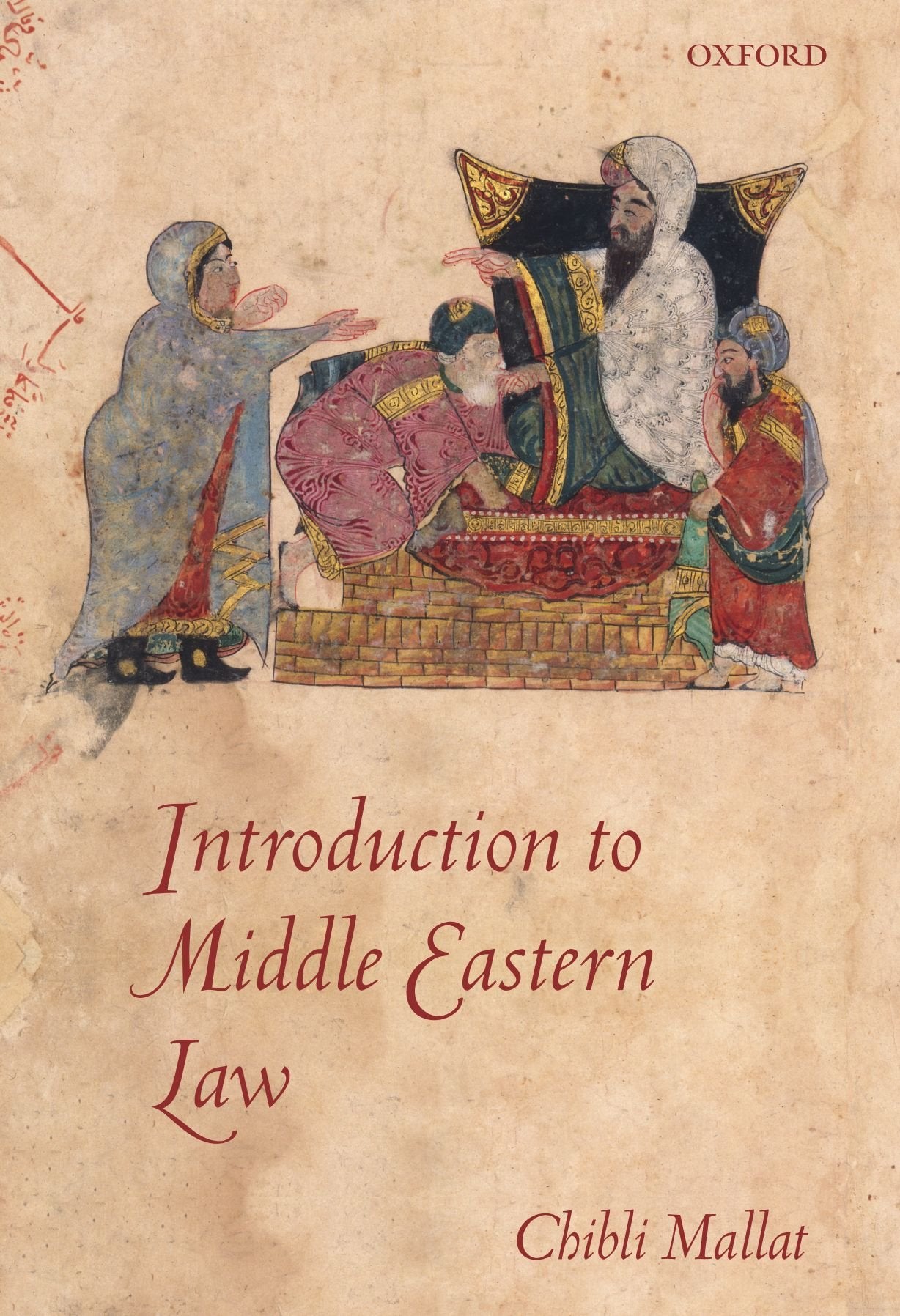
Title

Introduction To Middle Eastern Law
Sold by Ergodebooks, an authorized reseller.
Returns accepted within 30 days | support@ergodebooks.com
Shipping Information
- Free Standard Shipping — United States only
- Processing Time: 3–5 business days
- Estimated Delivery: 6–10 business days after dispatch
- Double-boxed, fully insured & discreetly packaged
- Tracking number sent via email once dispatched
Returns & Refund
Returns accepted within 30 days of delivery.
Damaged or Defective Item
Free return shipping + replacement or full refund
Wrong Item Received
Free return shipping + replacement or full refund
Change of Mind
Return shipping at customer's expense · 25% restocking fee applies
Payment Option

This Book Provides An Introduction To The Laws Of The Middle East, Defining The Contours Of A Field Of Study That Deserves To Be Called 'Middle Eastern Law'. It Introduces Middle Eastern Law As A Reflection Of Legal Styles, Many Of Which Are Shared By Islamic Law And The Laws Of Christian And Jewish Near Eastern Communities. It Offers A Detailed Survey Of The Foundations Of Middle Eastern Law, Using Court Archives And An Array Of Legal Sources From The Earliest Records Of Hammurabi To The Massive Compendia Of Law In The Islamic Classical Age Through To The Latest Decisions Of Middle Eastern High Courts. It Focuses On The Way Legislators And Courts Conceive Of Law And Apply It In The Middle East. It Builds On The Author'S Extensive Legal Practice, With The Aim Of Introducing The Middle Eastern Law'S Main Sources And Concepts In A Manner Accessible To Nonspecialist Legal Scholars And Practitioners Alike.The Book Begins With An Exploration Of The Depth And Variety Of Middle Eastern Law, Introducing The Concepts Of Shari'A, Fiqh, And Qanun, (Which All Mean 'Law'), And Dwelling On Islamic Law As The 'Common Law' Of The Middle East. It Provides A Historical Introduction To The Contemporary Middle East, Exploring Political Systems, Constitutional Law, Judicial Review, The Laws Of Tort And Obligations, Commercial Law (Including Islamic Banking, Company Law, Capital Markets, And Commercial Arbitration); And Examines Legislative Reform In Family Law And The Position Of Women In The Legal System. The Author Considers The Interaction Between Islamic And Western Laws And Includes A Bibliography Designed For Further Research Into The Jurisdictions And Themes Explored Throughout The Book.
⚠️ WARNING (California Proposition 65):
This product may contain chemicals known to the State of California to cause cancer, birth defects, or other reproductive harm.
For more information, please visit www.P65Warnings.ca.gov.
- Q: How many pages does the book have? A: This book has five hundred four pages. It provides a comprehensive overview of Middle Eastern law and its historical context.
- Q: What is the binding type of this book? A: The book is available in paperback binding. This makes it more lightweight and portable compared to hardcover options.
- Q: What are the dimensions of this book? A: The book measures six point fourteen inches in length, one point twenty-five inches in width, and nine inches in height. These dimensions make it easy to handle and store.
- Q: Who is the author of this book? A: The author is Chibli Mallat. He brings extensive legal practice and knowledge to the subject of Middle Eastern law.
- Q: What is the main focus of the book? A: The book focuses on the foundations and sources of Middle Eastern law. It discusses the influence of Islamic law along with other legal traditions.
- Q: Is this book suitable for beginners? A: Yes, this book is suitable for non-specialist legal scholars and practitioners. It introduces complex concepts in an accessible manner.
- Q: What themes are explored in this book? A: The book explores themes such as political systems, constitutional law, and the position of women in the legal system. It also discusses commercial law and family law reforms.
- Q: How does this book address Islamic law? A: The book presents Islamic law as the 'common law' of the Middle East. It discusses its principles and interactions with other legal systems.
- Q: Can this book help with legal research? A: Yes, the book includes a bibliography designed for further research. This makes it a valuable resource for exploring Middle Eastern law.
- Q: What should I know about the historical context of this book? A: The book provides a historical introduction to the contemporary Middle East. It covers legal developments from ancient times to modern high court decisions.
- Q: How can I keep this book in good condition? A: To maintain the book's condition, store it in a cool, dry place and avoid exposure to direct sunlight. Handle it carefully to prevent wear and tear.
- Q: What if the book arrives damaged? A: If the book arrives damaged, contact the seller for a return or exchange. Most sellers have policies in place to handle such issues.
- Q: Is there a warranty for this book? A: Books typically do not come with a warranty. However, check with the seller for any return policies or guarantees.
- Q: What is the target audience for this book? A: The target audience includes legal scholars, practitioners, and anyone interested in understanding Middle Eastern law. It is designed to be accessible to various readers.
- Q: Does this book cover modern legal issues? A: Yes, the book examines contemporary legal issues in the Middle East, including legislative reforms and judicial practices.
- Q: Are there any illustrations or graphics in the book? A: The book primarily focuses on text and legal content rather than illustrations. It aims to convey complex legal concepts through detailed writing.