
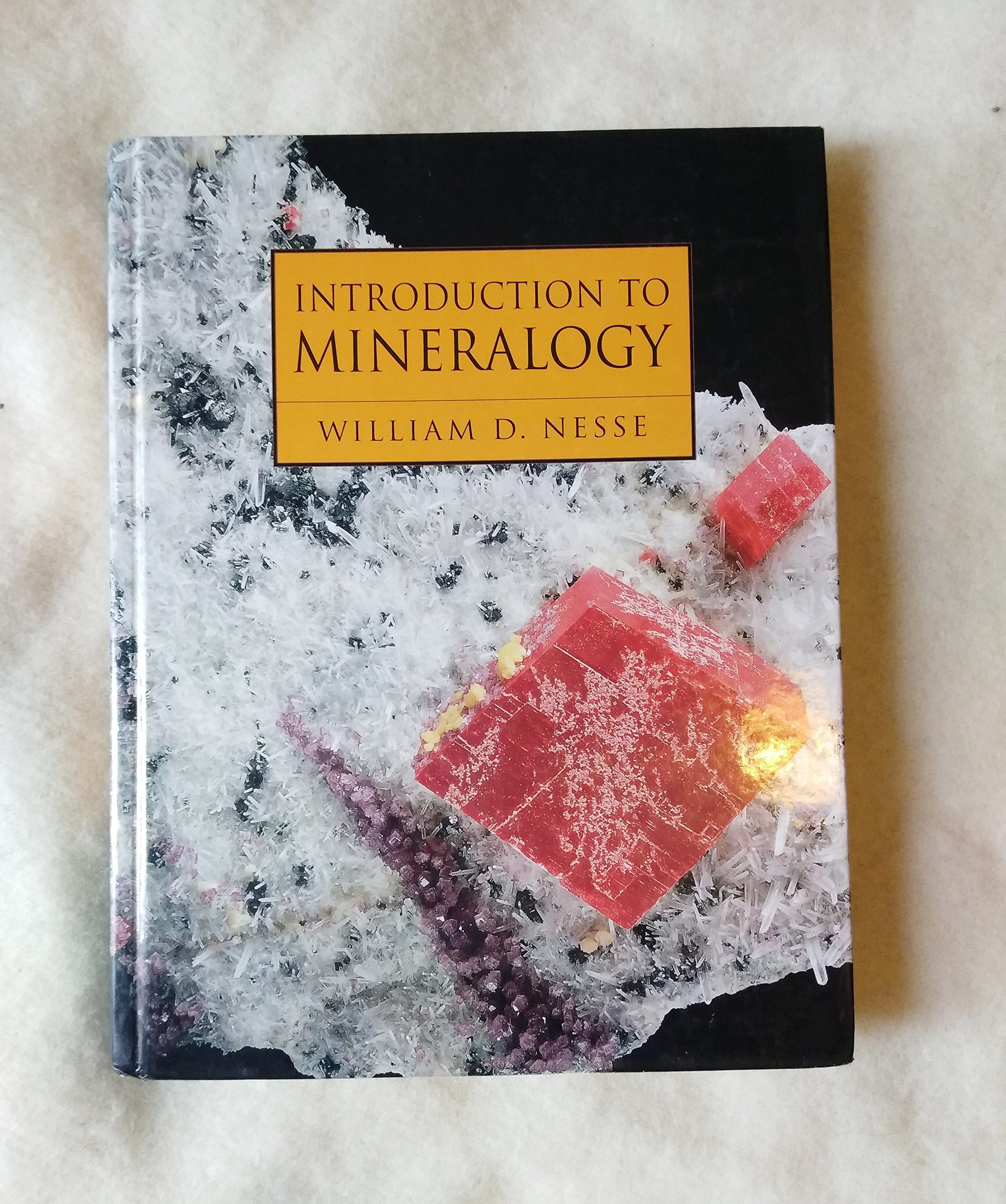
Title
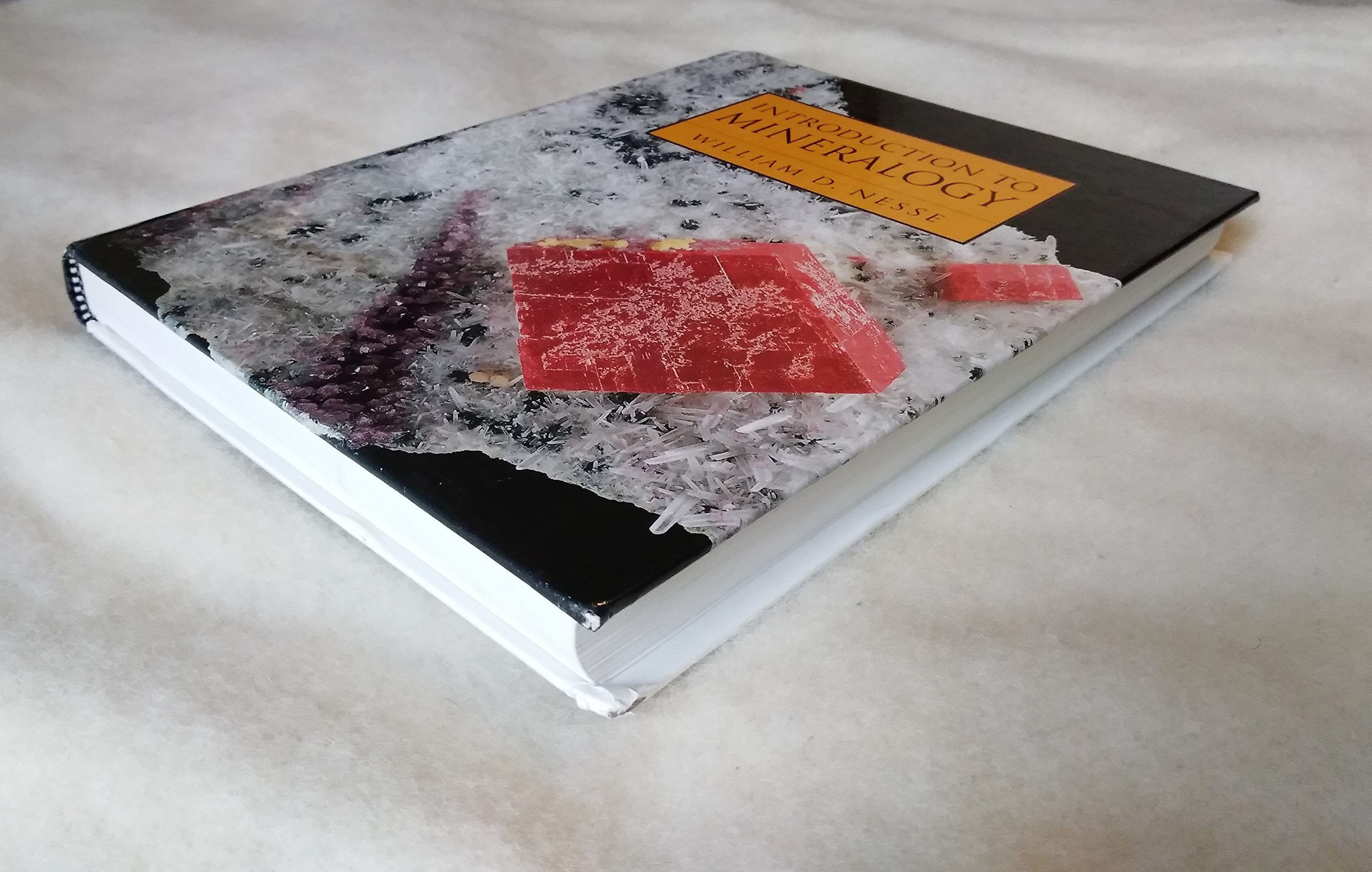
Introduction to Mineralogy by Oxford University Press - Essential Text for Geology Students and Enthusiasts
Sold by Ergodebooks, an authorized reseller.
Returns accepted within 30 days | support@ergodebooks.com
Shipping Information
- Free Standard Shipping — United States only
- Processing Time: 3–5 business days
- Estimated Delivery: 6–10 business days after dispatch
- Double-boxed, fully insured & discreetly packaged
- Tracking number sent via email once dispatched
Returns & Refund
Returns accepted within 30 days of delivery.
Damaged or Defective Item
Free return shipping + replacement or full refund
Wrong Item Received
Free return shipping + replacement or full refund
Change of Mind
Return shipping at customer's expense · 25% restocking fee applies
Payment Option

Introduction to Mineralogy is an essential textbook that consolidates key concepts typically covered in traditional mineralogy and optical mineralogy courses, emphasizing the description of minerals within their geologic context. This comprehensive guide presents fundamental mineralogy content, including crystallography, chemical bonding, and the factors influencing mineral structure and stability. It serves as a strong foundation, enabling students to grasp the nature and occurrence of minerals.
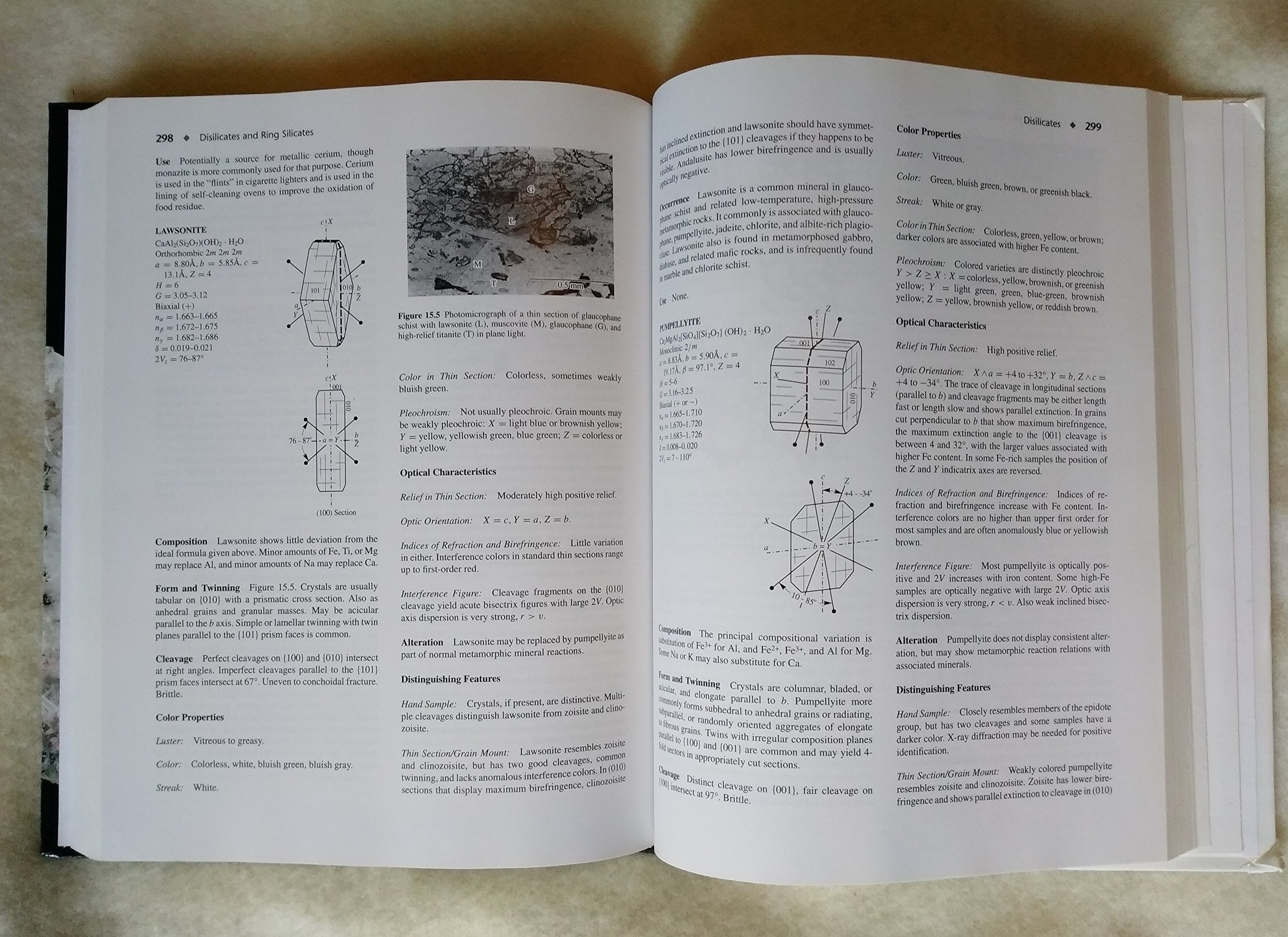
Within this text, the physical, optical, and X-ray powder diffraction techniques utilized in mineral studies are explored in detail. Additionally, common chemical analytical methods are outlined, providing a well-rounded understanding of mineral analysis. The book features detailed descriptions of over 100 common minerals, emphasizing the geologic contexts in which these minerals are found.
This textbook is designed to assist undergraduate students enrolled in a variety of mineralogy courses. It not only conveys specific knowledge about minerals but also fosters the intellectual tools necessary for a robust scientific education. The appendices include helpful tables and diagrams that assist students in mineral identification, utilizing both physical and optical properties.
Key features of Introduction to Mineralogy include:
- Comprehensive Coverage: The text covers traditional mineralogy topics, including crystallography, chemical bonding, and mineral stability.
- Detailed Mineral Descriptions: More than 100 common minerals are described in detail, providing essential information for identification and study.
- Analytical Techniques: In-depth discussions on physical, optical, and X-ray powder diffraction techniques, along with common chemical analytical methods.
- Visual Aids: Numerous line drawings, photographs, and photomicrographs help clarify complex concepts, making learning more accessible.
- Geologic Context: Emphasizes the geologic settings of minerals, enhancing students' understanding of mineral occurrence.
- Appendices for Identification: Includes tables and diagrams to aid in the identification of minerals based on physical and optical properties.
This textbook from Oxford University Press, USA is not only informative but also engaging, making it ideal for students seeking a solid grounding in mineralogy. Introduction to Mineralogy is a valuable resource that equips students with the necessary knowledge and skills to excel in their studies and future careers in the Earth sciences.
⚠️ WARNING (California Proposition 65):
This product may contain chemicals known to the State of California to cause cancer, birth defects, or other reproductive harm.
For more information, please visit www.P65Warnings.ca.gov.
- Q: What is the size and binding of this book? A: The book measures eleven inches by eight point six inches and has a hardcover binding. This durable format is suitable for extensive use in academic settings.
- Q: How many pages does 'Introduction to Mineralogy' have? A: This book contains four hundred sixty-six pages. It offers a comprehensive overview of mineralogy concepts and detailed descriptions of minerals.
- Q: Who is the author of this mineralogy book? A: The author is William D. Nesse. He provides in-depth insights into mineralogy and its applications in geology.
- Q: How do I use this book for my studies? A: You can use this book as a primary text for undergraduate mineralogy courses. It includes detailed descriptions and identification aids for over one hundred minerals.
- Q: Is this book suitable for beginners in mineralogy? A: Yes, this book is suitable for beginners. It consolidates traditional mineralogy content and emphasizes understanding minerals in their geological context.
- Q: What reading level is 'Introduction to Mineralogy' aimed at? A: This book is aimed at undergraduate students. It provides foundational knowledge necessary for advanced studies in geology and mineralogy.
- Q: How should I store this book to keep it in good condition? A: Store the book upright in a dry place, away from direct sunlight. This will help preserve its hardcover and pages.
- Q: Can I clean the cover of the book? A: Yes, you can clean the cover with a damp cloth. Avoid using harsh chemicals to maintain the integrity of the cover.
- Q: What is the best way to handle this book while using it? A: Handle the book gently and avoid excessive bending of the pages. This will prevent damage and ensure it lasts through your studies.
- Q: Is there a warranty or return policy for this book? A: Typically, books do not come with a warranty. Check the retailer's return policy for specific details on returns or exchanges.
- Q: What if the book arrives damaged? A: If the book arrives damaged, contact the retailer immediately for a replacement or refund. Most retailers have policies for damaged goods.
- Q: Are there any supplementary materials included with the book? A: Yes, the book includes appendices with tables and diagrams for mineral identification. These resources enhance the learning experience.
- Q: How does this book compare to other mineralogy texts? A: This book is comprehensive and focuses on the geological context of minerals, making it distinct from other texts that may focus solely on technical details.
- Q: Is this book appropriate for self-study? A: Yes, this book is appropriate for self-study. It provides clear explanations and ample illustrations to aid individual learning.
- Q: What topics are covered in 'Introduction to Mineralogy'? A: The book covers crystallography, chemical bonding, mineral structure, stability, and growth, along with detailed descriptions of common minerals.