
Title
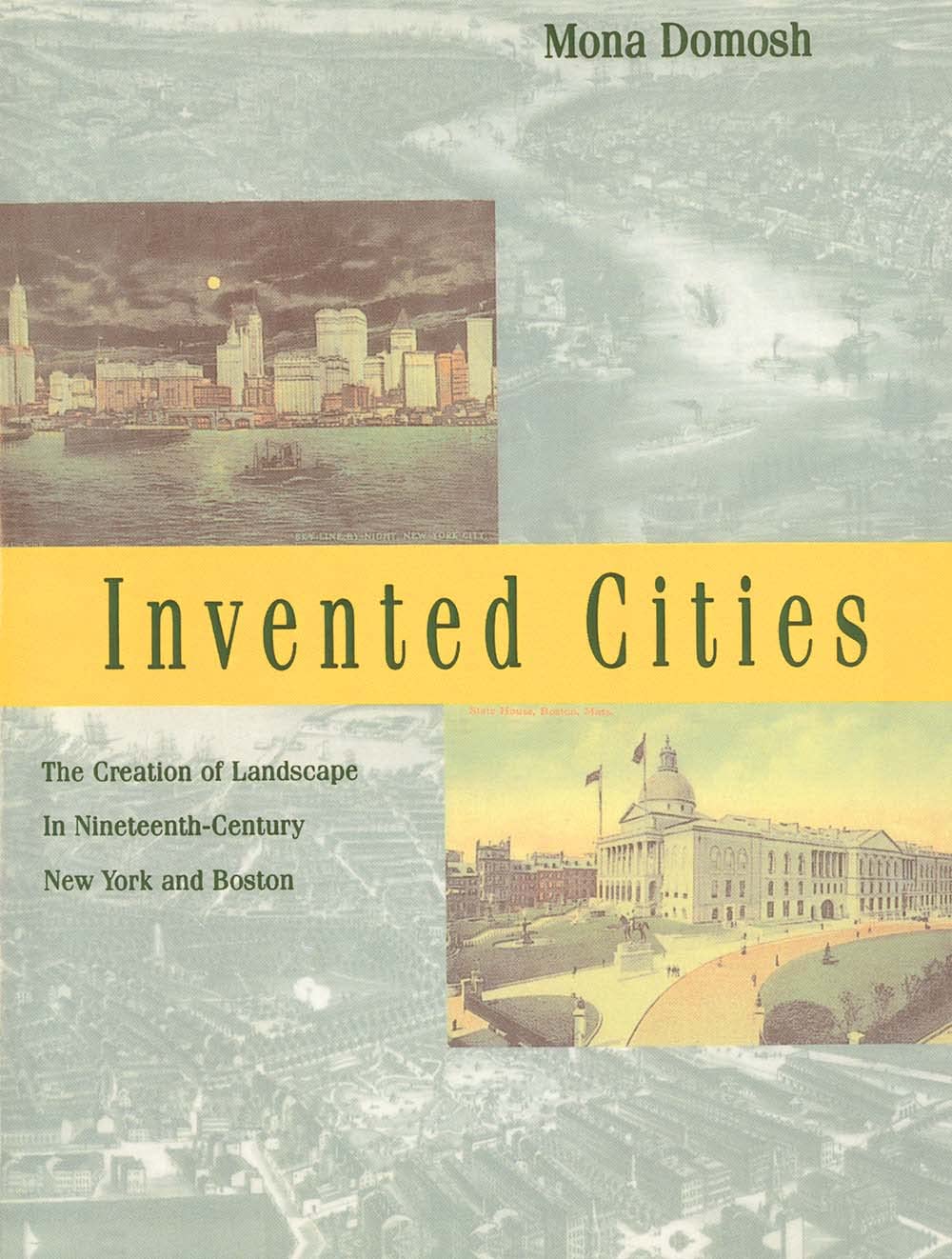
Invented Cities: The Creation Of Landscape In Nineteenthcentury New York And Boston,New
Sold by Ergodebooks, an authorized reseller.
Returns accepted within 30 days | support@ergodebooks.com
Shipping Information
- Free Standard Shipping — United States only
- Processing Time: 3–5 business days
- Estimated Delivery: 6–10 business days after dispatch
- Double-boxed, fully insured & discreetly packaged
- Tracking number sent via email once dispatched
Returns & Refund
Returns accepted within 30 days of delivery.
Damaged or Defective Item
Free return shipping + replacement or full refund
Wrong Item Received
Free return shipping + replacement or full refund
Change of Mind
Return shipping at customer's expense · 25% restocking fee applies
Payment Option

Why Do Cities Look The Way They Do? In This Intriguing New Book, Mona Domosh Seeks To Answer This Question By Comparing The Strikingly Different Landscapes Of Two Great American Cities, Boston And New York. Although These Two Cities Appeared To Be Quite Similar Through The Eighteenth Century, Distinctive Characteristics Emerged As Social And Economic Differences Developed. Domosh Explores The Physical Differences Between Boston And New York, Comparing Building Patterns And Architectural Styles To Show How A Societys Vision Creates Its Own Distinctive Urban Form. Cities, Domosh Contends, Are Visible Representations Of Individual And Group Beliefs, Values, Tensions, And Fears.Using An Interdisciplinary Approach That Encompasses Economics, Politics, Architecture, Historical And Cultural Geography, And Urban Studies, Domosh Shows How The Middle And Upper Classes Of Boston And New York, The 'Building Elite,' Inscribed Their Visions Of Social Order And Social Life On Four Landscape Features During The Latter Half Of The Nineteenth Century: New Yorks Retail District And Its Commercial Skyscrapers, And Bostons Back Bay And Its Common And Park System. New Yorks Selfexpression Translated Into Unlimited Commercial And Residential Expansion, Conspicuous Consumption, And Architecture Designed To Display Wealth And Prestige Openly. Boston, In Contrast, Focused More On Culture. The Urban Gentry Limited Skyscraper Construction, Prevented Commercial Development Of Boston Common, And Maintained Homes And Parks Near The Business District. Many Fascinating Lithographs Illustrate The Two Cities Contrasting Visions.
⚠️ WARNING (California Proposition 65):
This product may contain chemicals known to the State of California to cause cancer, birth defects, or other reproductive harm.
For more information, please visit www.P65Warnings.ca.gov.