
Title
Inventing Abstraction, 19101925,Used
Sold by Ergodebooks, an authorized reseller.
Returns accepted within 30 days | support@ergodebooks.com
Shipping Information
- Free Standard Shipping — United States only
- Processing Time: 3–5 business days
- Estimated Delivery: 6–10 business days after dispatch
- Double-boxed, fully insured & discreetly packaged
- Tracking number sent via email once dispatched
Returns & Refund
Returns accepted within 30 days of delivery.
Damaged or Defective Item
Free return shipping + replacement or full refund
Wrong Item Received
Free return shipping + replacement or full refund
Change of Mind
Return shipping at customer's expense · 25% restocking fee applies
Payment Option

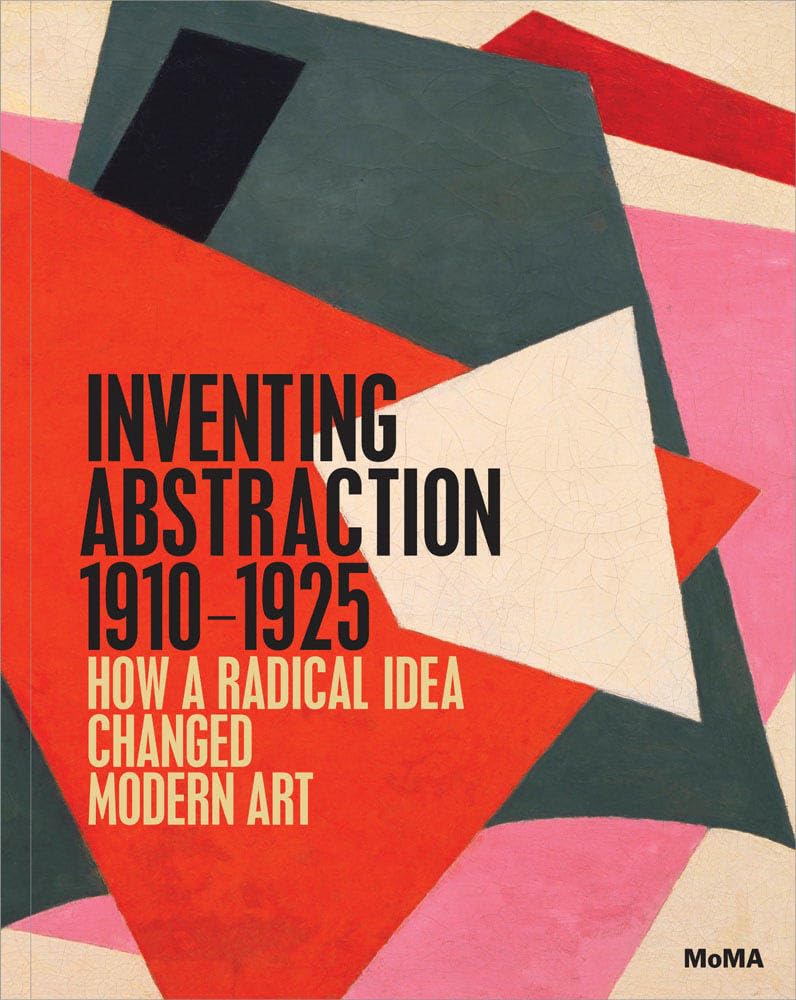
In 1912, in several European cities, a handful of artistsVasily Kandinsky, Frantisek Kupka, Francis Picabia and Robert Delaunaypresented the first abstract pictures to the public. Inventing Abstraction, published to accompany an exhibition at The Museum of Modern Art, celebrates the centennial of this bold new type of artwork. It traces the development of abstraction as it moved through a network of modern artists, from Marsden Hartley and Marcel Duchamp to Piet Mondrian and Kazimir Malevich, sweeping across nations and across media. This richly illustrated publication covers a wide range of artistic productionincluding paintings, drawings, books, sculptures, film, photography, sound poetry, atonal music and nonnarrative danceto draw a crossmedia portrait of these watershed years. An introductory essay by Leah Dickerman, Curator in the Museums Department of Painting and Sculpture, is followed by focused studies of key groups of works, events and critical issues in abstractions early history by renowned scholars from a variety of fields.
⚠️ WARNING (California Proposition 65):
This product may contain chemicals known to the State of California to cause cancer, birth defects, or other reproductive harm.
For more information, please visit www.P65Warnings.ca.gov.
- Q: What is the size of the book? A: The book measures nine point seven seven inches in length, one point three nine inches in width, and twelve point two five inches in height.
- Q: How many pages does the book have? A: The book contains three hundred seventy-six pages, providing an in-depth exploration of its subject matter.
- Q: What type of binding does this book have? A: The book is bound in hardcover, ensuring durability and a quality feel.
- Q: Who is the author of this book? A: The author is Michael Taylor, a notable figure in art curation.
- Q: What is the genre of this book? A: This book falls under the genre of art history and exhibition catalogs.
- Q: Is this book suitable for all ages? A: Yes, the book is suitable for all ages, making it a great resource for art enthusiasts and students.
- Q: How do I use this book effectively? A: To use this book effectively, read it sequentially to understand the evolution of abstraction in art.
- Q: Is this a good resource for beginners in art? A: Yes, this book serves as an excellent introduction for beginners interested in understanding abstract art.
- Q: Can I find detailed analyses of artworks in this book? A: Yes, the book includes focused studies of key works and events in abstraction's history.
- Q: How should I store this book to keep it in good condition? A: Store the book upright in a cool, dry place away from direct sunlight to prevent damage.
- Q: Are there any special care instructions for the hardcover? A: Yes, avoid exposing the hardcover to moisture to maintain its integrity and appearance.
- Q: What if the book arrives damaged? A: If the book arrives damaged, contact the seller for a return or replacement according to their policy.
- Q: Is there a warranty on this book? A: Typically, books do not come with a warranty, but check with the seller for their return policy.
- Q: How do I clean the book's cover if it gets dirty? A: To clean the cover, gently wipe it with a soft, dry cloth. Avoid using any liquids.
- Q: What themes are explored in this book? A: The book explores major themes in abstraction, including the evolution of artistic expression across various media.
- Q: Is there an index or bibliography in the book? A: Yes, the book includes an index and bibliography for further research on the topics covered.