
Title
Inventing America's First Immigration Crisis: Political Nativism in the Antebellum West (Catholic Practice in North America),Used
Sold by Ergodebooks, an authorized reseller.
Returns accepted within 30 days | support@ergodebooks.com
Shipping Information
- Free Standard Shipping — United States only
- Processing Time: 3–5 business days
- Estimated Delivery: 6–10 business days after dispatch
- Double-boxed, fully insured & discreetly packaged
- Tracking number sent via email once dispatched
Returns & Refund
Returns accepted within 30 days of delivery.
Damaged or Defective Item
Free return shipping + replacement or full refund
Wrong Item Received
Free return shipping + replacement or full refund
Change of Mind
Return shipping at customer's expense · 25% restocking fee applies
Payment Option

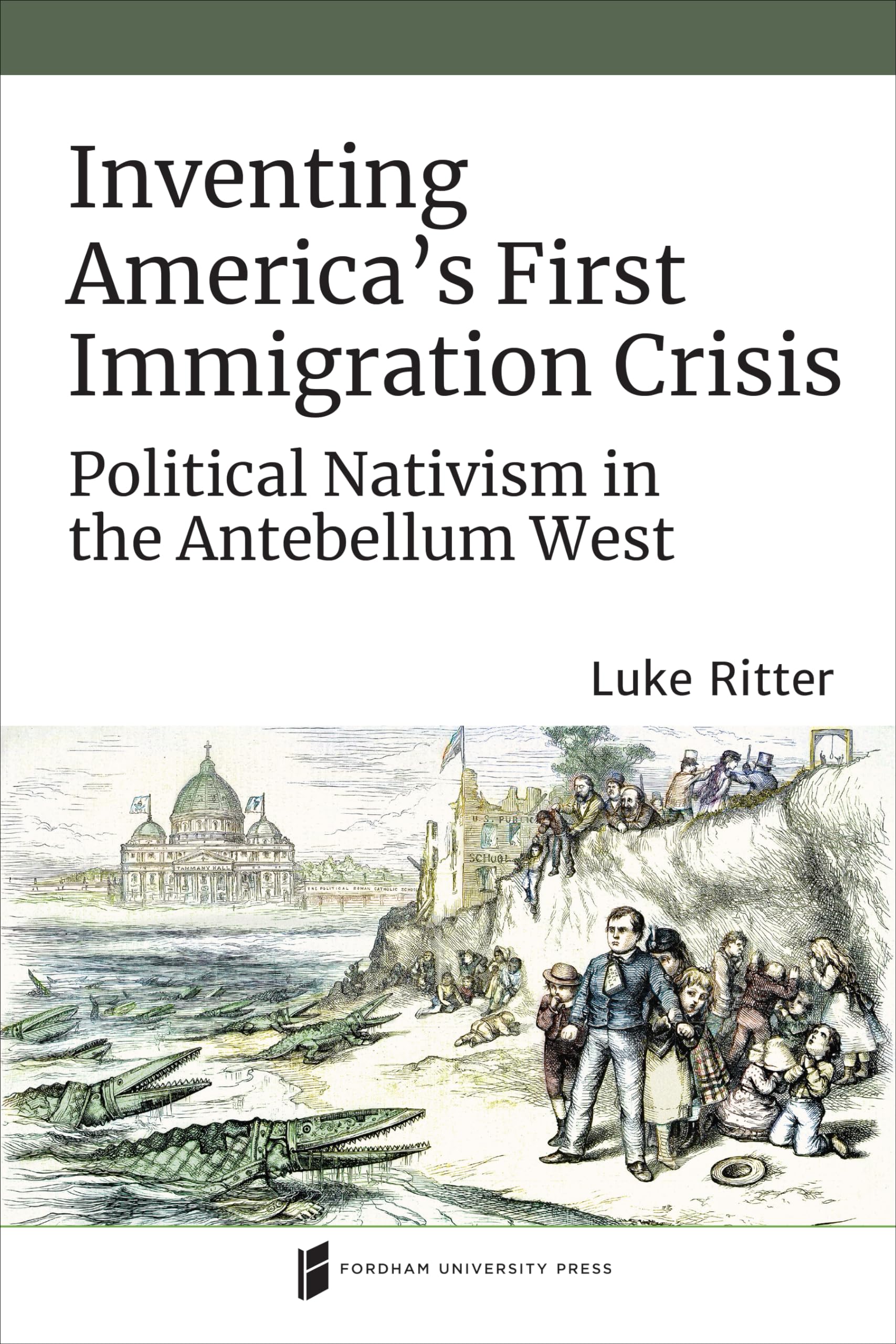
Why have Americans expressed concern about immigration at some times but not at others? In pursuit of an answer, this book examines Americas first nativist movement, which responded to the rapid influx of 4.2 million immigrants between 1840 and 1860 and culminated in the dramatic rise of the National American Party. As previous studies have focused on the coasts, historians have not yet completely explained why westerners joined the ranks of the National American, or Know Nothing, Party or why the nations bloodiest antiimmigrant riots erupted in western citiesnamely Chicago, Cincinnati, Louisville, and St. Louis. In focusing on the antebellum West, Inventing Americas First Immigration Crisis illuminates the cultural, economic, and political issues that originally motivated American nativism and explains how it ultimately shaped the political relationship between church and state.In six detailed chapters, Ritter explains how unprecedented immigration from Europe and rapid westward expansion reignited fears of Catholicism as a corrosive force. He presents new research on the inner sanctums of the secretive Order of KnowNothings and provides original data on immigration, crime, and poverty in the urban West. Ritter argues that the countrys first bout of political nativism actually renewed Americans commitment to churchstate separation. Nativeborn Americans compelled Catholics and immigrants, who might have otherwise shared an affinity for monarchism, to accept Americanstyle democracy. Catholics and immigrants forced Americans to adopt a more inclusive definition of religious freedom.This study offers valuable insight into the history of nativism in U.S. politics and sheds light on presentday concerns about immigration, particularly the role of antiIslamic appeals in recent elections.
⚠️ WARNING (California Proposition 65):
This product may contain chemicals known to the State of California to cause cancer, birth defects, or other reproductive harm.
For more information, please visit www.P65Warnings.ca.gov.